
The Lost Art of Indian Craftsmanship and Why It Matters Today
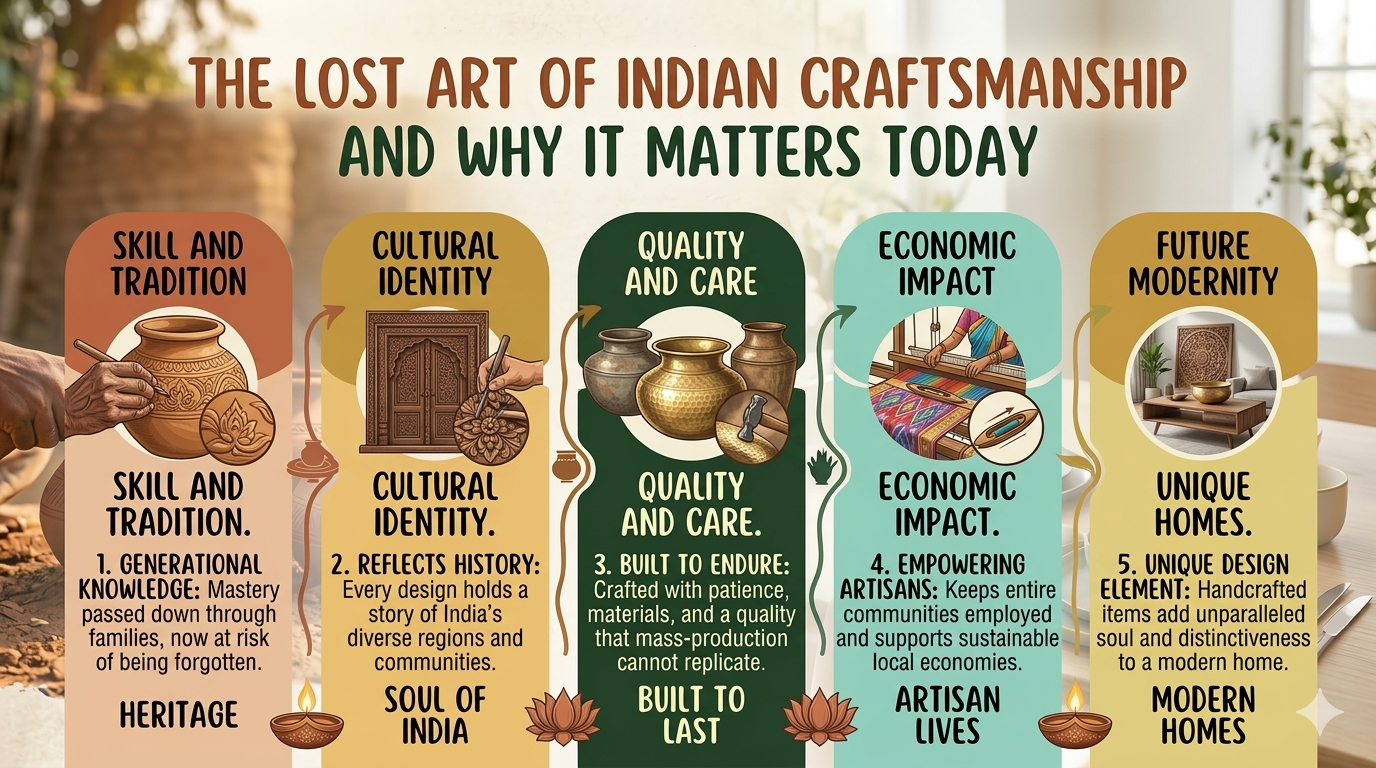
India has always been known as a land of extraordinary craftsmanship. For centuries, artisans across the country created beautiful handmade objects that reflected both skill and cultural identity. From intricately woven textiles to carefully shaped clay utensils, traditional crafts once formed the backbone of everyday life in Indian households.
These crafts were not merely products. They represented knowledge, patience, and heritage passed down through generations of skilled artisans. Each handmade object carried the story of its maker, the traditions of its region, and the cultural values of the community it belonged to.
However, in the rapidly modernizing world of today, many of these traditional crafts are slowly fading away. Industrial production, changing consumer preferences, and the dominance of mass-manufactured goods have significantly reduced the demand for handmade products.
Yet despite these challenges, Indian craftsmanship continues to hold immense cultural and economic importance. Understanding why these crafts matter today is essential for preserving a legacy that has shaped India’s identity for centuries.
A Legacy Rooted in Tradition
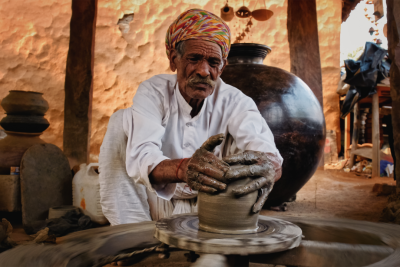
Indian craftsmanship has deep historical roots that date back thousands of years. Archaeological discoveries from ancient civilizations such as the Indus Valley reveal beautifully crafted pottery, jewelry, and decorative objects. These artifacts demonstrate the remarkable creativity and technical skills of early artisans.
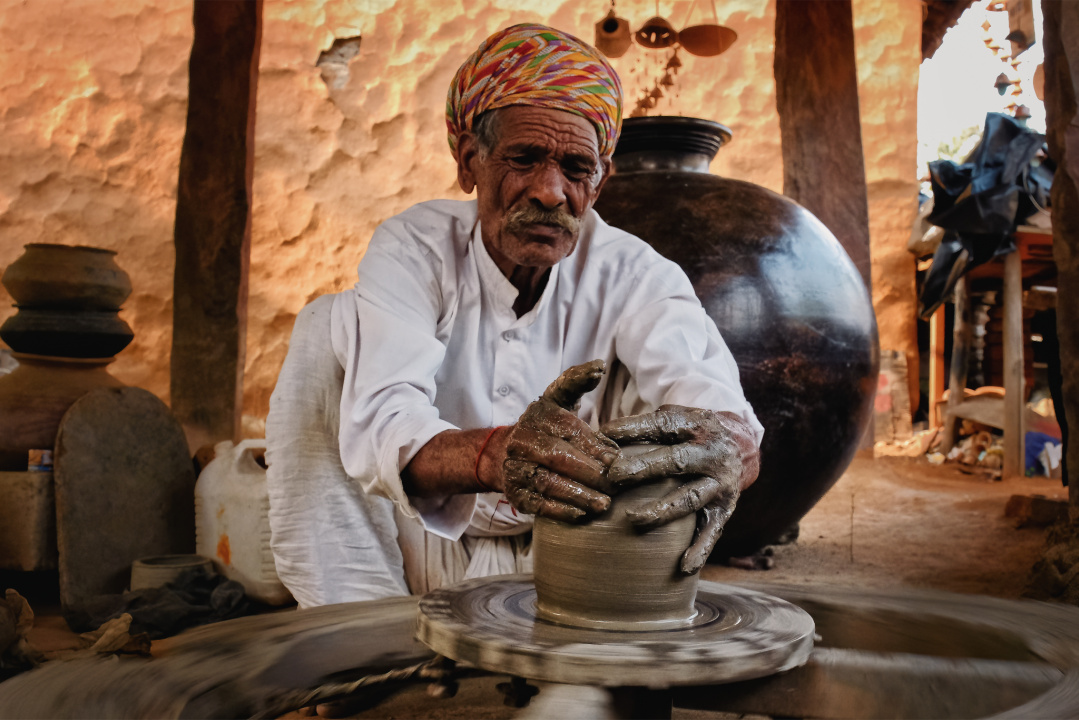
Over time, each region of India developed its own distinctive craft traditions. In Rajasthan, artisans became known for their vibrant pottery and blue ceramics. In West Bengal, terracotta sculptures and decorative pottery flourished. In Gujarat and Maharashtra, intricate metalwork and wood carving became important artistic expressions.
These crafts were closely connected to everyday life. Families used handmade utensils, textiles, and decorative items in their homes, creating a strong bond between artisans and communities. The craft traditions also reflected the cultural diversity of India, with each region contributing its own artistic style and techniques.
This legacy of Indian craftsmanship became an important part of India’s identity, symbolizing creativity, resilience, and cultural richness.
The Decline of Indian craftsmanship
Despite their historical significance, many traditional crafts have experienced a decline in recent decades. The rise of industrial manufacturing introduced products that could be produced quickly and cheaply on a large scale. Plastic, metal, and synthetic materials replaced handmade items in many households.
While these modern products offered convenience and affordability, they also reduced the demand for artisan-made goods. As a result, many craftspeople struggled to sustain their livelihoods.
Younger generations in artisan families often chose alternative careers rather than continuing traditional crafts, fearing that these occupations could not provide stable income. Over time, valuable knowledge and techniques began to disappear.
Urbanization and globalization further accelerated this shift. Consumers became accustomed to standardized products available in supermarkets and large retail chains. Handmade items, once common in everyday life, gradually became rare.
This decline represents not only an economic challenge but also a cultural loss.
Why Indian Craftsmanship Still Matters Today

Despite the challenges faced by traditional crafts, their relevance remains stronger than ever. In today’s world, where sustainability and authenticity are becoming increasingly important, handmade products offer unique advantages.
One of the most significant benefits of traditional craftsmanship is its environmental sustainability. Many crafts use natural materials such as clay, wood, bamboo, and cotton. These materials are biodegradable and require minimal industrial processing, making them environmentally friendly alternatives to synthetic products.
Handmade crafts also support local economies. By purchasing artisan-made items, consumers directly contribute to sustaining traditional livelihoods and preserving cultural heritage.
Furthermore, handcrafted objects bring a sense of individuality and authenticity that mass-produced products often lack. Each handmade piece carries subtle variations that reflect the creativity and effort of the artisan.
In this way, traditional crafts offer both practical value and cultural meaning in modern lifestyles.
The Role of Consumers in Reviving Craft Traditions
The future of Indian craftsmanship depends largely on the choices made by consumers. When people choose handmade products instead of factory-produced alternatives, they create demand that encourages artisans to continue their work.
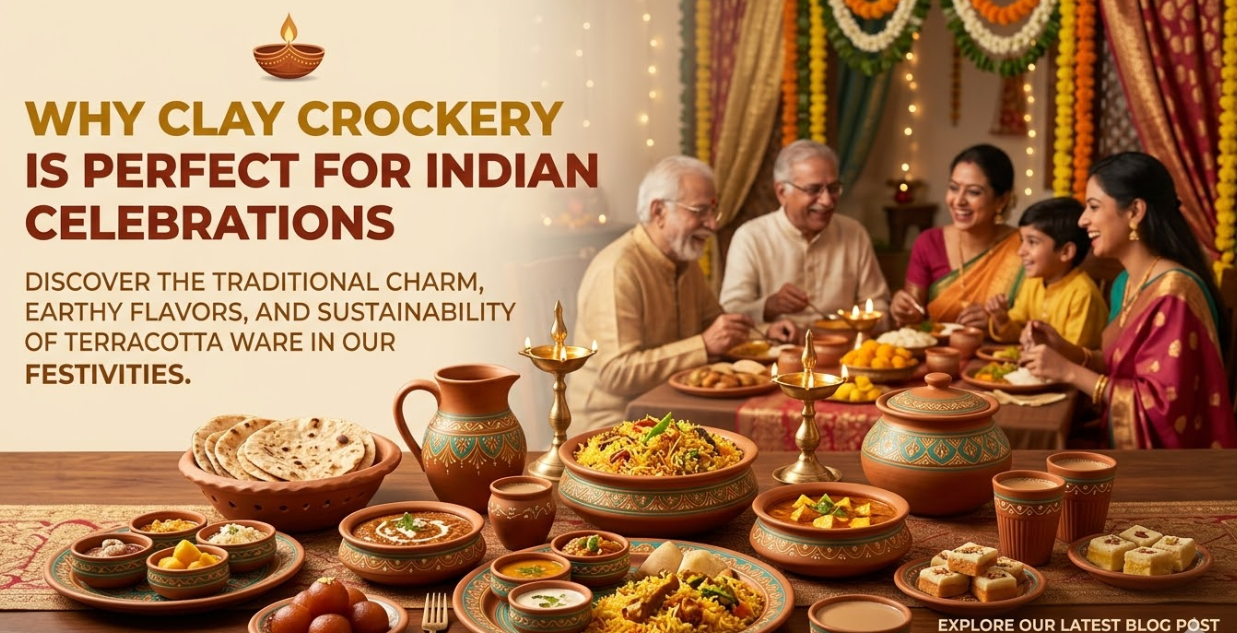
Supporting local crafts does not require major lifestyle changes. Even small decisions—such as using handmade crockery, buying artisan textiles, or decorating homes with traditional crafts—can make a meaningful difference.
Awareness also plays a crucial role. By learning about the history and significance of traditional crafts, consumers develop a deeper appreciation for the skills involved in creating them.
Digital platforms and online marketplaces have also made it easier for artisans to reach wider audiences. Through these channels, craft communities can connect directly with customers who value handmade products.
Together, these efforts help revive traditional crafts while adapting them to modern markets.
Indian Craftsmanship and Sustainable Living
One of the most powerful reasons to support traditional crafts is their alignment with sustainable living. In contrast to mass manufacturing, many crafts rely on manual techniques and locally sourced materials.
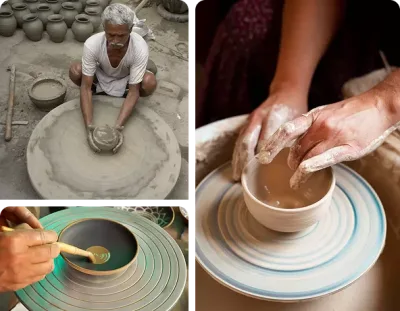
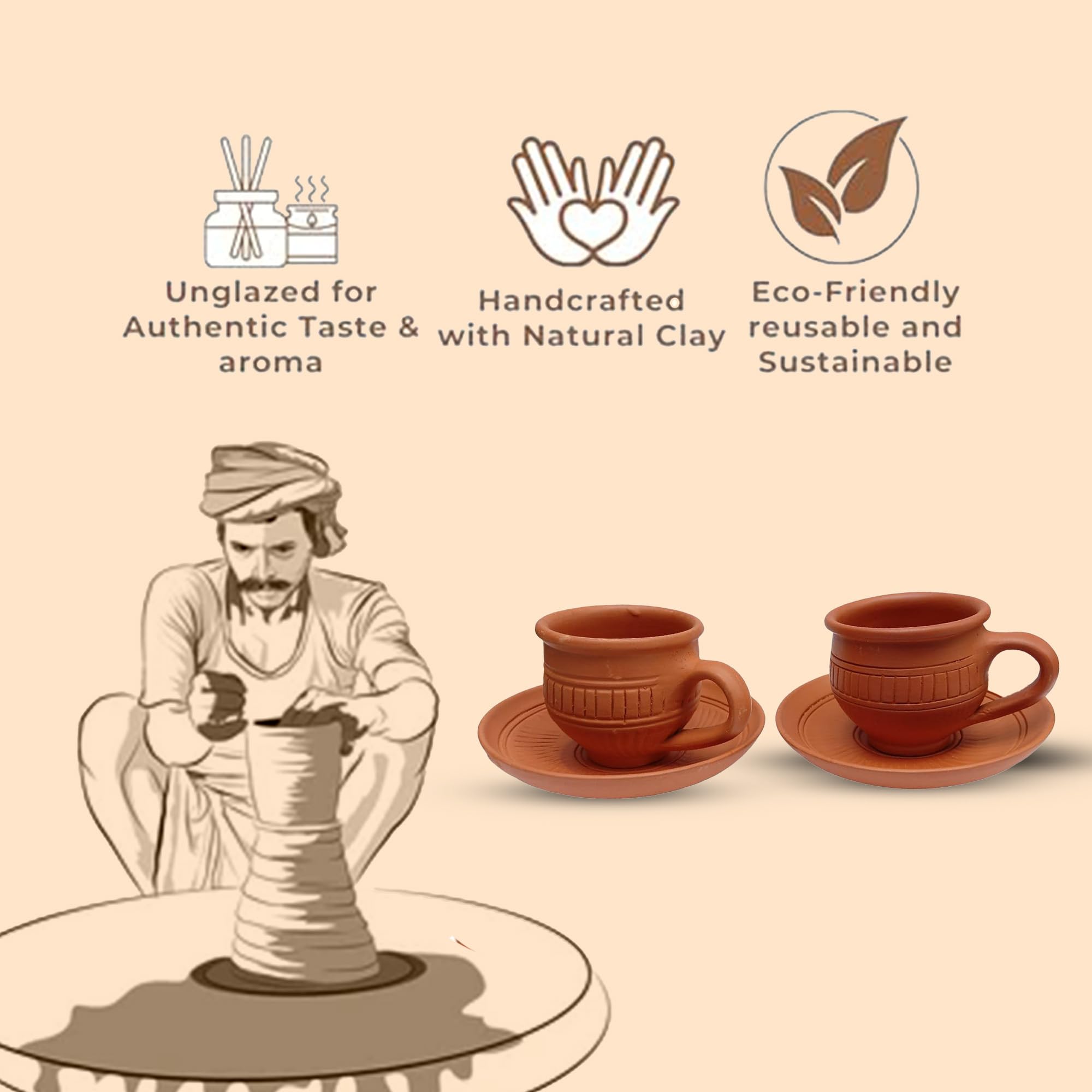
This reduces environmental impact and promotes responsible use of resources. For example, clay pottery uses natural soil and simple firing processes rather than heavy industrial machinery.
As global conversations around sustainability continue to grow, traditional crafts offer valuable lessons in how communities once lived in harmony with nature.
Reintroducing these practices into modern lifestyles allows people to benefit from both tradition and innovation in Indian craftsmanship .
Preserving a Cultural Legacy
Indian craftsmanship is more than a profession—it is a cultural heritage that connects generations. Each craft tradition carries stories of communities, festivals, rituals, and daily life.
Preserving these traditions ensures that future generations can continue to experience and appreciate the artistic heritage of the country.
Educational programs, craft fairs, and artisan collaborations are helping raise awareness about the importance of preserving traditional crafts. Many designers are also working with artisans to create contemporary products inspired by traditional techniques.
These efforts demonstrate that craftsmanship does not have to remain confined to the past. Instead, it can evolve and thrive in modern contexts.
The Diversity of Indian craftsmanship Traditions
India’s craft heritage is remarkably diverse, shaped by geography, culture, and centuries of artistic evolution. Every region of the country has contributed unique techniques and materials to the larger story of craftsmanship. These traditions developed organically within communities, often using locally available resources and reflecting the cultural values of the people.
In Rajasthan, pottery, blue ceramics, and block printing flourished due to the availability of clay and natural dyes. Gujarat became known for its vibrant embroidery and mirror work, while Kashmir gained global recognition for its delicate wood carving and papier-mâché artistry. Southern states such as Tamil Nadu and Karnataka developed traditions of bronze sculpture and stone carving, which are still admired today.
What makes Indian craftsmanship particularly special is the way it integrates functionality with artistic expression. Everyday objects—such as utensils, furniture, textiles, and decorative items—were often created with intricate designs that reflected local aesthetics and cultural symbolism.
For centuries, these crafts were an essential part of daily life. Artisans were respected members of their communities because their work contributed directly to household needs and cultural celebrations. From wedding ceremonies to religious festivals, handcrafted objects played a significant role in shaping social traditions.
This diversity of crafts demonstrates how creativity and practicality can coexist, resulting in objects that are both useful and beautiful.
Indian craftsmanship as a Form of Cultural Identity
Traditional Indian craftsmanship do more than provide economic opportunities; they also serve as powerful expressions of cultural identity. Each craft carries the history, beliefs, and artistic sensibilities of the community that created it.
For example, terracotta sculptures in West Bengal often depict mythological themes and rural life. The patterns found in traditional textiles from Gujarat or Rajasthan reflect regional folklore and cultural narratives. Even pottery shapes and motifs vary from one region to another, representing local traditions and preferences.
These artistic elements act as visual storytellers, preserving cultural knowledge across generations. When artisans teach their craft to younger family members, they also pass down the stories and values associated with their work.
In a rapidly globalizing world where cultural boundaries are becoming less distinct, preserving such forms of identity becomes increasingly important. Crafts remind us of the uniqueness of different communities and highlight the rich diversity that exists within India.
By appreciating and supporting these traditions, consumers contribute to safeguarding cultural heritage that might otherwise fade over time.
The Challenges Facing Traditional Artisans
Despite their cultural significance, many artisans face significant challenges in sustaining their crafts today. One of the most pressing issues is the competition from mass-produced goods. Factory-made products are often cheaper and more widely available, making it difficult for handcrafted items to compete in mainstream markets.
Another challenge is the lack of consistent income. Craft production often depends on seasonal demand or tourism, which can fluctuate significantly. This uncertainty discourages younger generations from pursuing traditional crafts as long-term careers.
Access to modern markets is also a major obstacle for many artisans. In remote villages, craftsmen may lack the resources or networks required to sell their products beyond local markets. Without exposure to broader audiences, their work remains undervalued despite its artistic and cultural significance.
Additionally, the absence of proper infrastructure, training opportunities, and financial support further limits the growth of artisan communities. Many skilled craftsmen are forced to abandon their craft in search of more stable employment.
These challenges highlight the urgent need for initiatives that support traditional artisans and create sustainable opportunities for their work.
The Role of Technology in Reviving Crafts
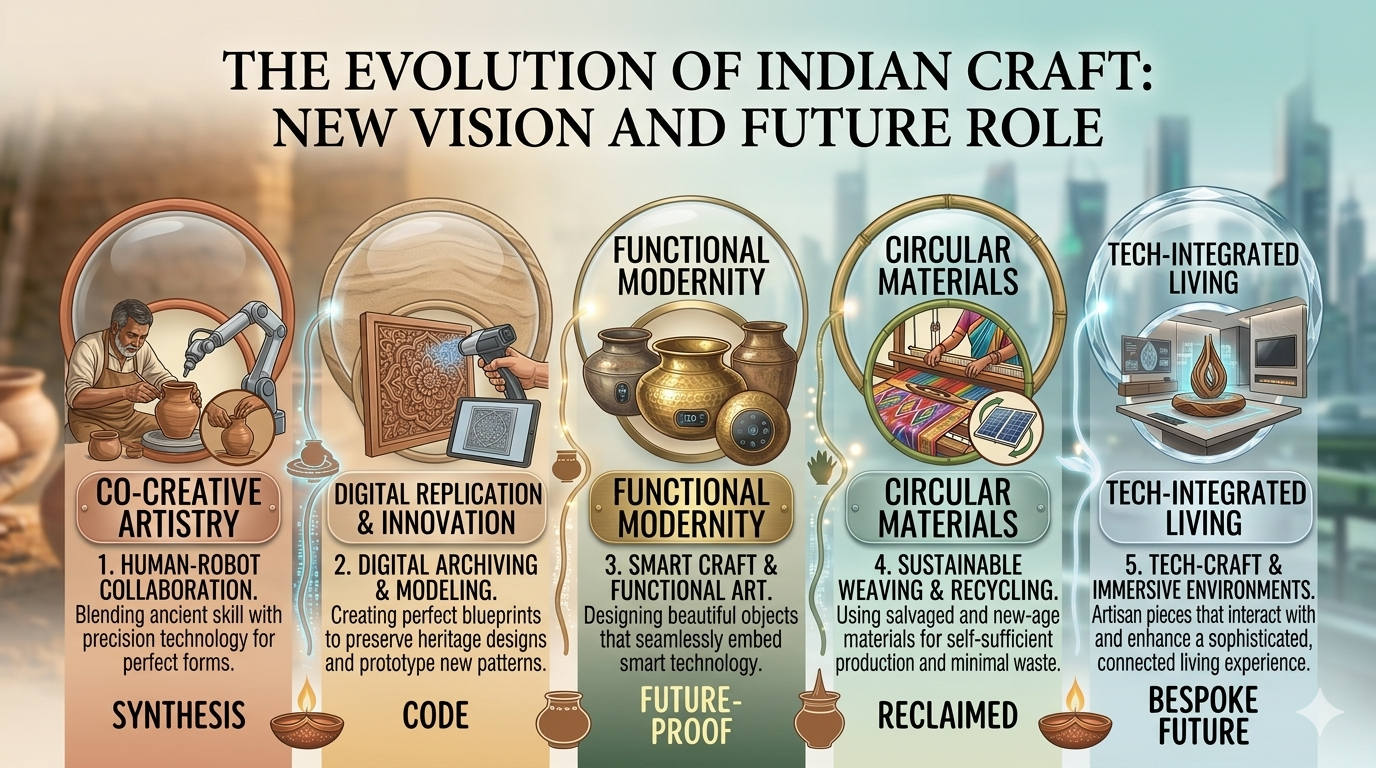
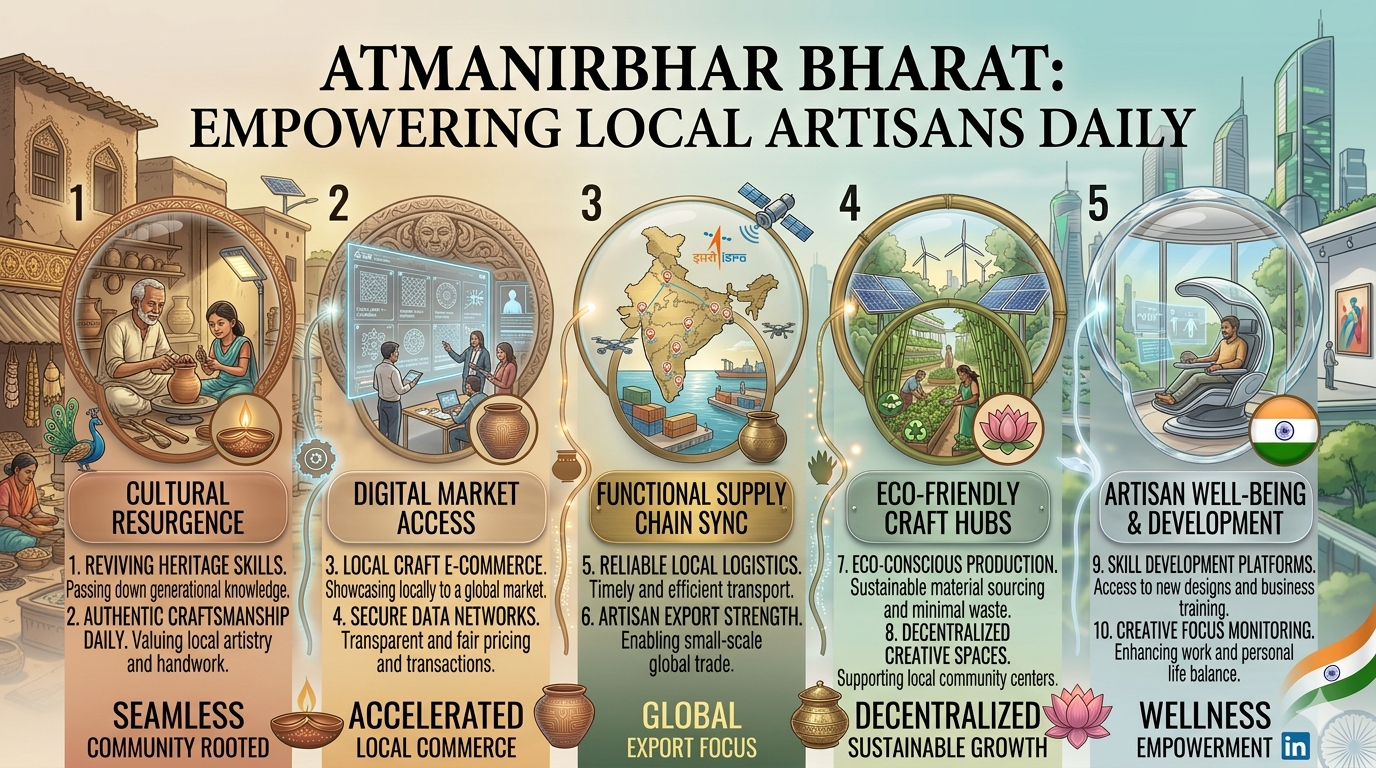
While technology has contributed to the decline of some traditional crafts, it is also playing an important role in their revival. Digital platforms and online marketplaces have opened new avenues for artisans to showcase and sell their products to customers across the country and around the world.
Social media, in particular, has become a powerful tool for storytelling. Artisans and craft-focused brands can share the processes behind handmade products, helping consumers understand the effort and skill involved in creating them. This transparency builds appreciation and encourages people to value handcrafted goods more highly.
E-commerce platforms have also made it easier for consumers to access artisan-made products without visiting physical markets. By connecting artisans directly with buyers, these platforms help eliminate middlemen and ensure fairer compensation for craftsmen.
Collaborations between designers and artisans have further strengthened the revival of traditional crafts. Designers often introduce modern aesthetics and functionality while maintaining traditional techniques, making handmade products more appealing to contemporary consumers.
Through these innovations, technology is helping bridge the gap between traditional Indian craftsmanship and modernity.
Indian Craftsmanship and the Philosophy of Slow Living
In recent years, the concept of “slow living” has gained popularity as people seek to balance the fast pace of modern life with more mindful and meaningful experiences. This philosophy emphasizes quality over quantity, encouraging individuals to value products that are thoughtfully created rather than mass-produced.
Indian craftsmanship aligns perfectly with this mindset. Handmade products require time, patience, and skill. Unlike factory-produced items, which are often created in large quantities with minimal attention to detail, handcrafted objects reflect the dedication and creativity of their makers.
When people choose artisan-made products, they participate in a slower and more intentional form of consumption. This shift encourages appreciation for craftsmanship and promotes sustainability by reducing reliance on disposable goods.
Crafts also remind us of the human connection behind everyday objects. Knowing that a plate, bowl, or decorative item was created by a skilled artisan adds a sense of authenticity and meaning to its use.
In this way, traditional crafts support a lifestyle that values mindfulness, creativity, and respect for resources.
The Importance of Educating Future Generations for Indian craftsmanship
Preserving craftsmanship requires more than supporting artisans—it also involves educating younger generations about the importance of these traditions. Schools, cultural institutions, and community programs play an important role in raising awareness about the value of handmade crafts.
Workshops and craft demonstrations allow students to observe artisans at work and understand the skills involved in creating handmade products. Such experiences inspire curiosity and appreciation for traditional techniques.
Encouraging young people to learn craft skills can also open new opportunities for creative expression and entrepreneurship. Some young designers and entrepreneurs are already exploring ways to blend traditional crafts with modern design, creating innovative products that appeal to contemporary audiences.
By nurturing this interest, society can ensure that craft traditions continue to evolve rather than disappear.
Indian Craftsmanship in Sustainable Home Living
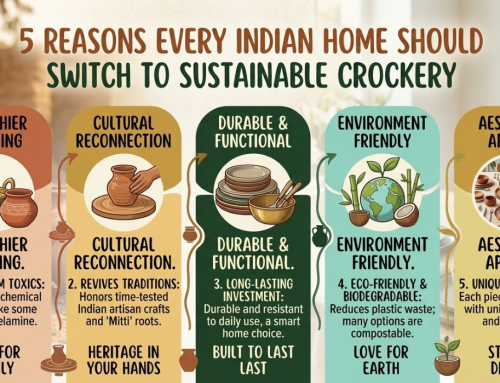
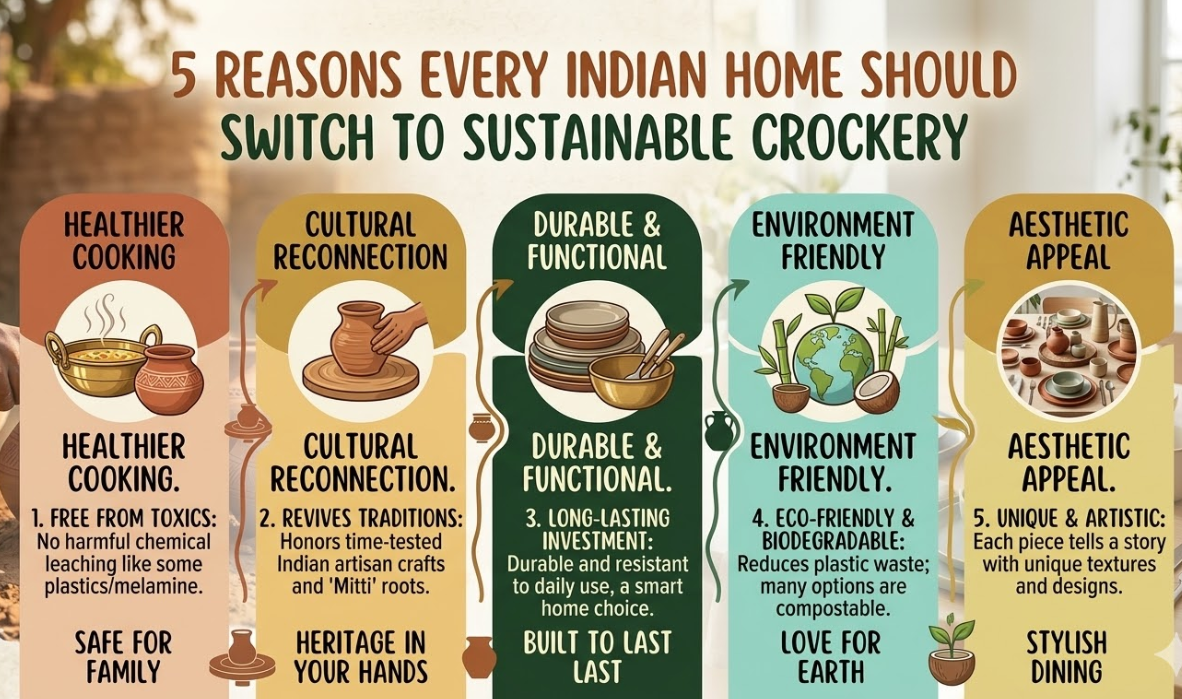
In today’s environmentally conscious world, traditional crafts offer valuable solutions for sustainable living. Many crafts rely on natural materials such as clay, bamboo, wood, and natural fibers, which are biodegradable and environmentally friendly.
These materials have been used for centuries without causing significant harm to ecosystems. Unlike synthetic materials that contribute to pollution, natural craft materials return safely to the environment at the end of their lifecycle.
Incorporating Indian craftsmanship products into home interiors also promotes durability and longevity. Handmade items are often designed to last for years, reducing the need for frequent replacements.
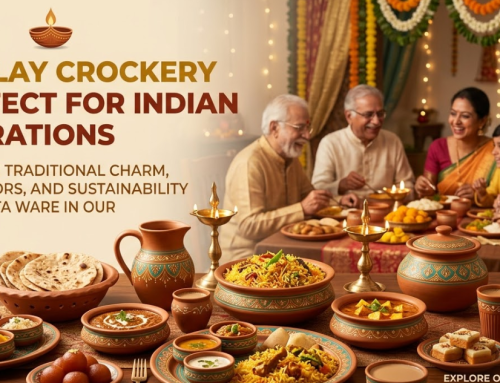
From clay tableware and terracotta décor to handwoven baskets and wooden furniture, traditional crafts bring warmth and authenticity into living spaces while supporting environmentally responsible choices.
This connection between Indian craftsmanship and sustainability highlights the relevance of traditional crafts in modern lifestyles.
A New Appreciation for Handmade
In recent years, there has been a growing appreciation for handmade products among consumers who seek authenticity and quality. People are increasingly drawn to items that reflect individuality rather than uniformity.
Handcrafted products stand out because each piece carries subtle variations that make it unique. These imperfections are often seen as marks of authenticity, reminding us that the object was created by human hands rather than machines.
This renewed interest in handmade goods is encouraging many artisans to continue practicing their craft with pride. It also encourages consumers to reconsider the value of objects in their daily lives.
Rather than viewing products as disposable items, people begin to see them as meaningful creations with stories and cultural significance.
Conclusion: Reviving the Value of Handmade
The story of Indian craftsmanship is one of creativity, resilience, and cultural pride. Although modern industrialization has challenged traditional crafts, the growing interest in sustainability and authenticity offers new opportunities for their revival.
By choosing handmade products and supporting artisans, individuals play an important role in preserving a heritage that has shaped India’s cultural identity for centuries.
The lost art of Indian craftsmanship does not have to remain lost. With awareness, appreciation, and conscious choices, it can continue to flourish in the modern world—connecting the wisdom of the past with the possibilities of the future.

Leave A Comment