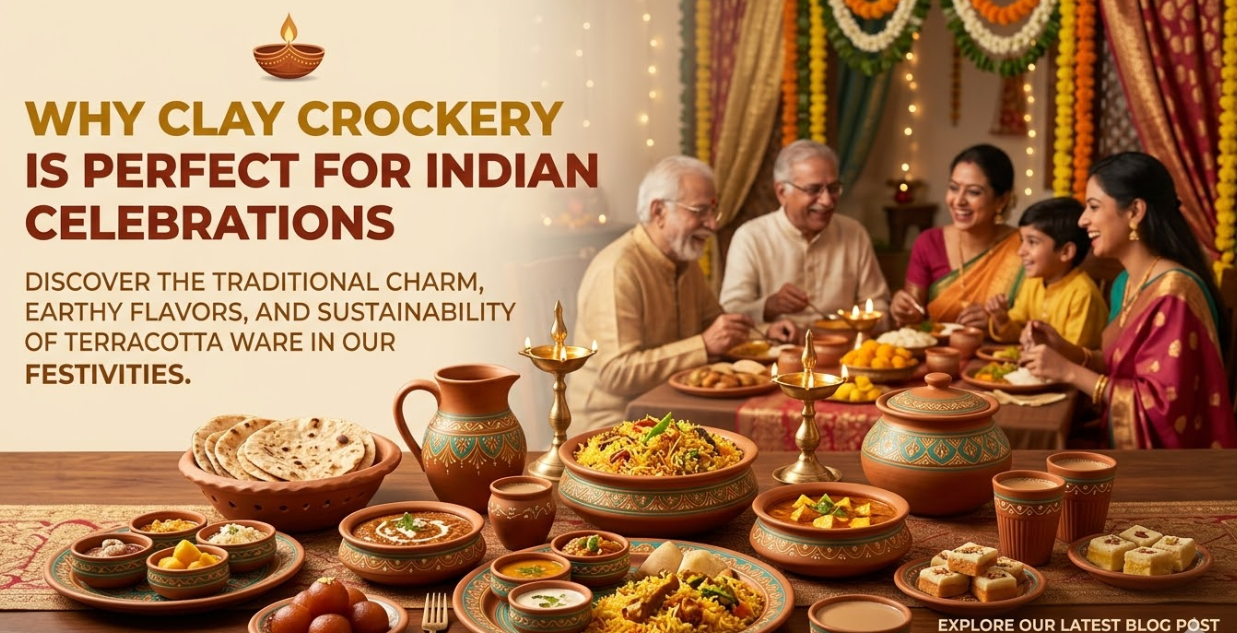
Why Clay Crockery Is Perfect for Indian Celebrations
Indian celebrations are known for their vibrancy, warmth, and deep-rooted traditions. Whether it is a festival like Diwali or Holi, a wedding ceremony, or a simple family gathering, food and hospitality play a central role in bringing people together. The way food is served is just as important as the food itself, and this is where clay crockery holds a special place.
For centuries, Indian households have used clay utensils for cooking, serving, and storing food. These earthen vessels are not just functional items; they represent culture, sustainability, and a connection to nature. In today’s time, when people are rediscovering eco-friendly living, clay crockery is making a strong comeback in modern celebrations.
Let’s explore why clay crockery is the perfect choice for Indian celebrations and how it enhances both tradition and experience.
1. A Deep Connection to Indian Traditions

Clay crockery has always been an integral part of Indian culture. From ancient times to modern villages, earthen utensils have been used in daily life and festive occasions. Clay diyas during Diwali, kulhads for tea, and terracotta pots for cooking are all examples of how deeply rooted this tradition is.
During celebrations, using clay crockery helps recreate the authenticity of traditional Indian dining. It brings back the charm of age-old practices and allows people to connect with their cultural roots.
In weddings and festive feasts, serving food in clay bowls or plates adds a sense of heritage and storytelling to the experience. It reminds guests of India’s rich cultural past and creates a more meaningful celebration.
2. Eco-Friendly and Sustainable Choice
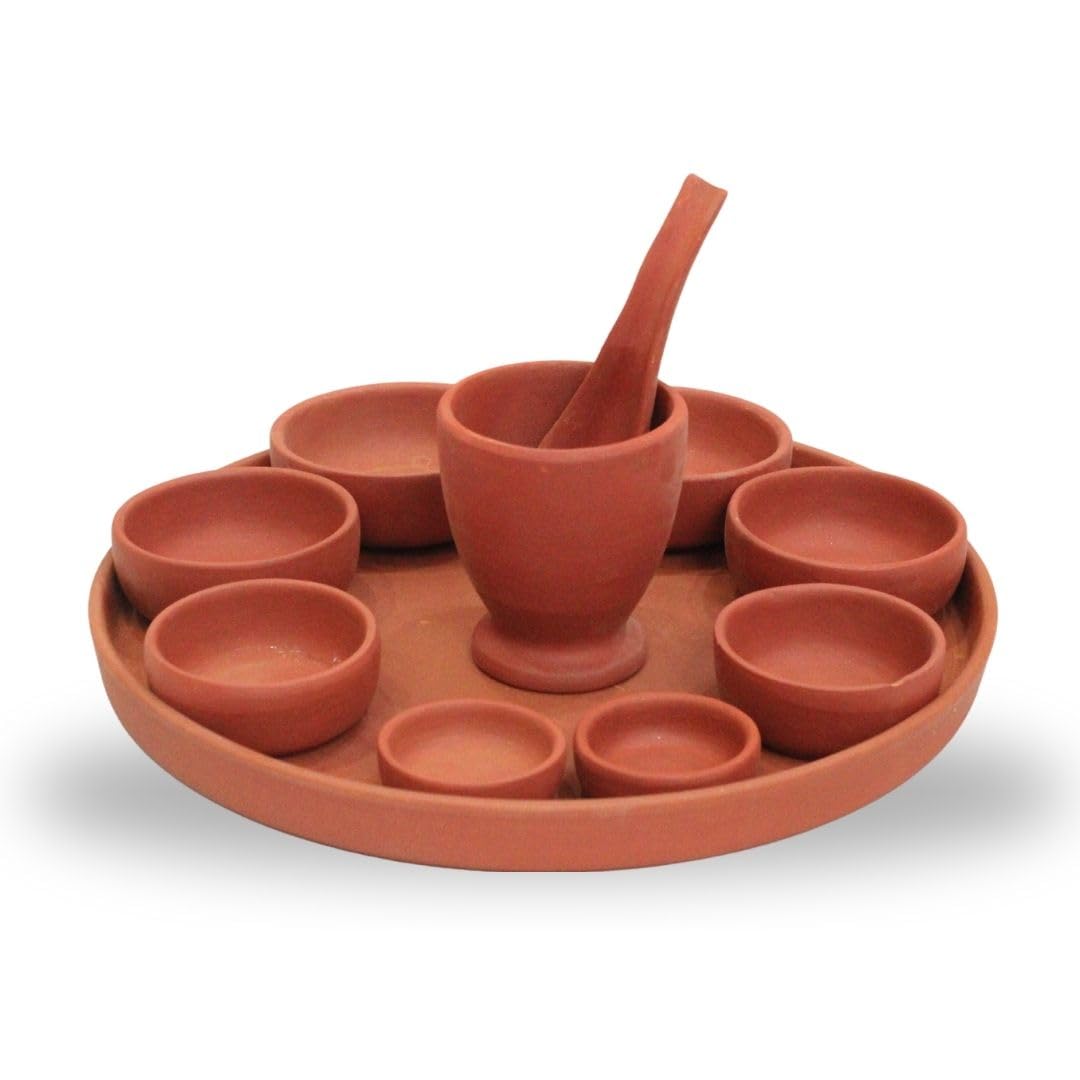
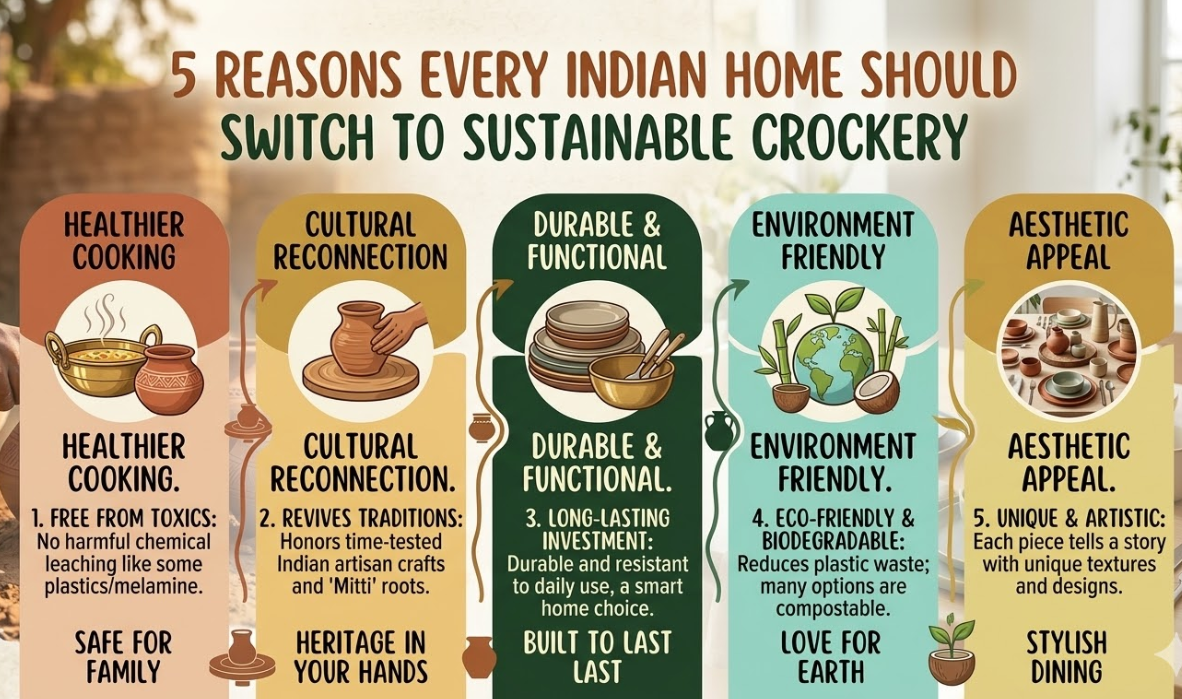
One of the biggest advantages of clay crockery is its environmental sustainability. Unlike plastic or disposable tableware, clay products are completely natural and biodegradable. They do not harm the environment and return safely to the earth after use.
Indian celebrations often involve large gatherings where disposable plates and cups are commonly used. This creates a significant amount of waste. Switching to clay crockery can help reduce this environmental impact while still maintaining convenience and style.
Moreover, clay crockery is often handmade by artisans using traditional methods that consume less energy compared to industrial manufacturing. This makes it an environmentally responsible choice for conscious consumers.
Choosing clay crockery during celebrations is a simple yet powerful step toward promoting eco-friendly living.
3. Enhances the Taste and Aroma of Food

One of the most unique benefits of clay crockery is its ability to enhance the taste and aroma of food. Clay is a natural material that interacts with food in a subtle way, adding an earthy flavor that cannot be replicated by metal or plastic utensils.
For example, drinking lassi or chai in a kulhad provides a distinct experience because of the natural fragrance of clay. Similarly, dishes served in terracotta bowls often retain their warmth and develop richer flavors.
In Indian celebrations, where food is a central element, this added sensory experience makes a significant difference. Guests not only enjoy the meal but also appreciate the authenticity of the presentation.
This is why many traditional recipes are still prepared and served in clay utensils, preserving both taste and tradition.
4. Aesthetic Appeal for Festive Dining
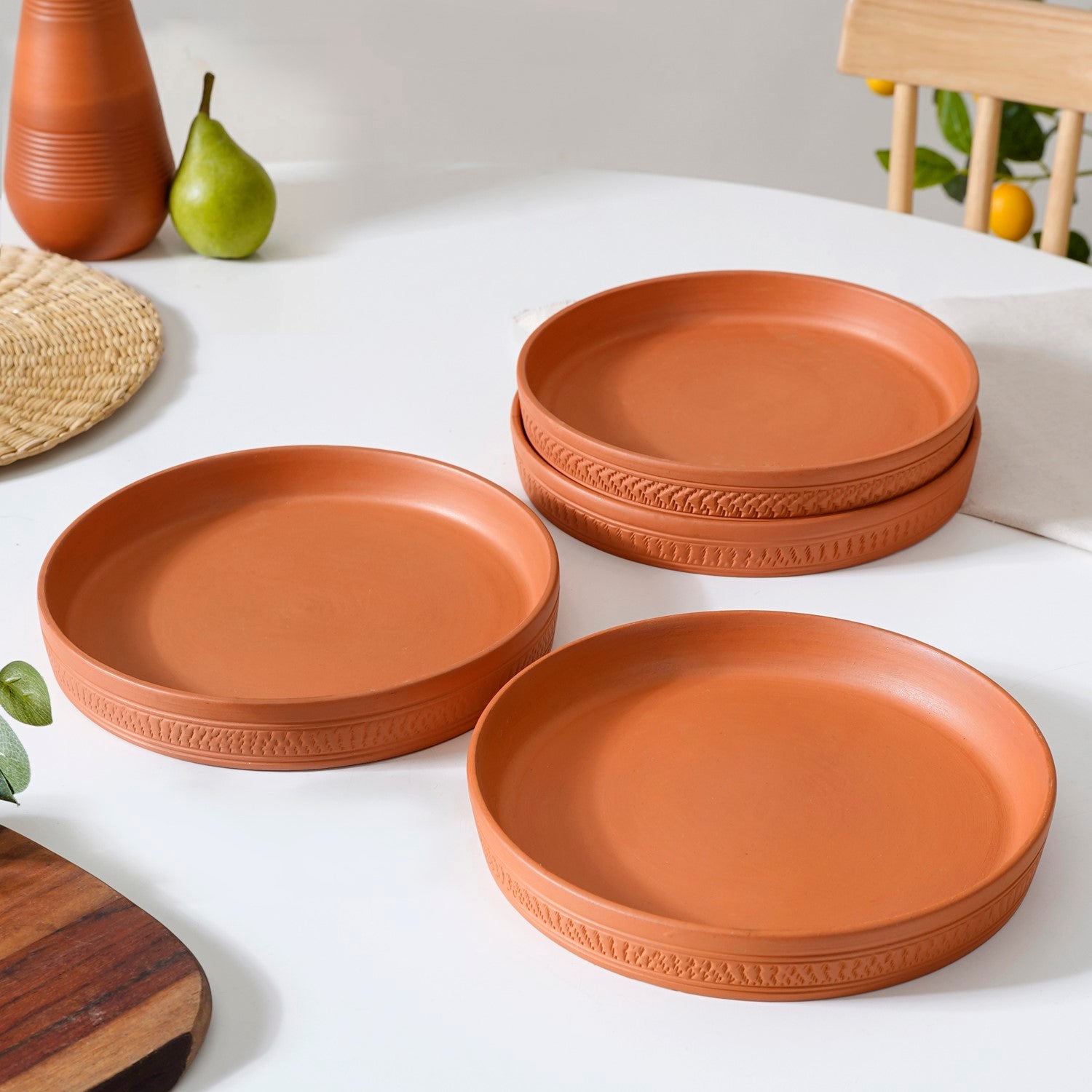
Clay crockery adds a rustic and elegant charm to dining setups. The earthy tones of terracotta complement vibrant Indian dishes and festive decorations beautifully.
In modern celebrations, presentation plays an important role. Hosts often look for ways to create visually appealing table settings that leave a lasting impression on guests. Clay crockery provides a perfect balance of tradition and style.
Whether it is a Diwali dinner, a Holi gathering, or a wedding feast, using clay plates and bowls enhances the overall aesthetic of the celebration. It creates a warm and inviting atmosphere that reflects both culture and creativity.
Many restaurants and event planners are now incorporating clay crockery into their setups to offer unique and memorable dining experiences.
5. Supports Indian Artisans and Local Communities
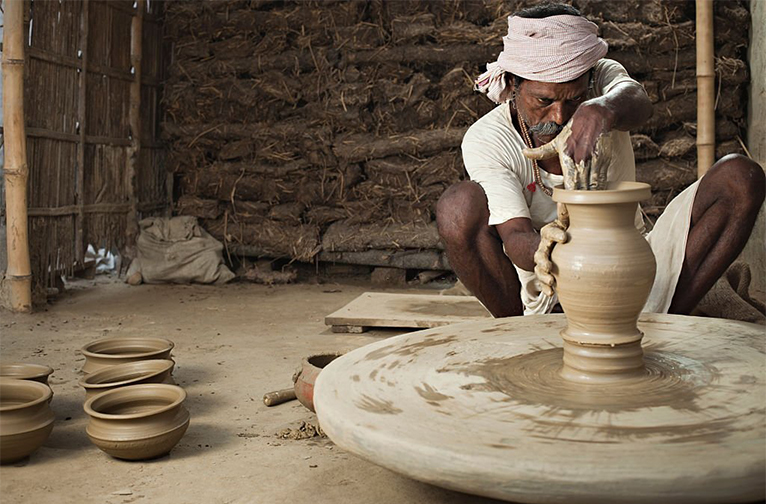
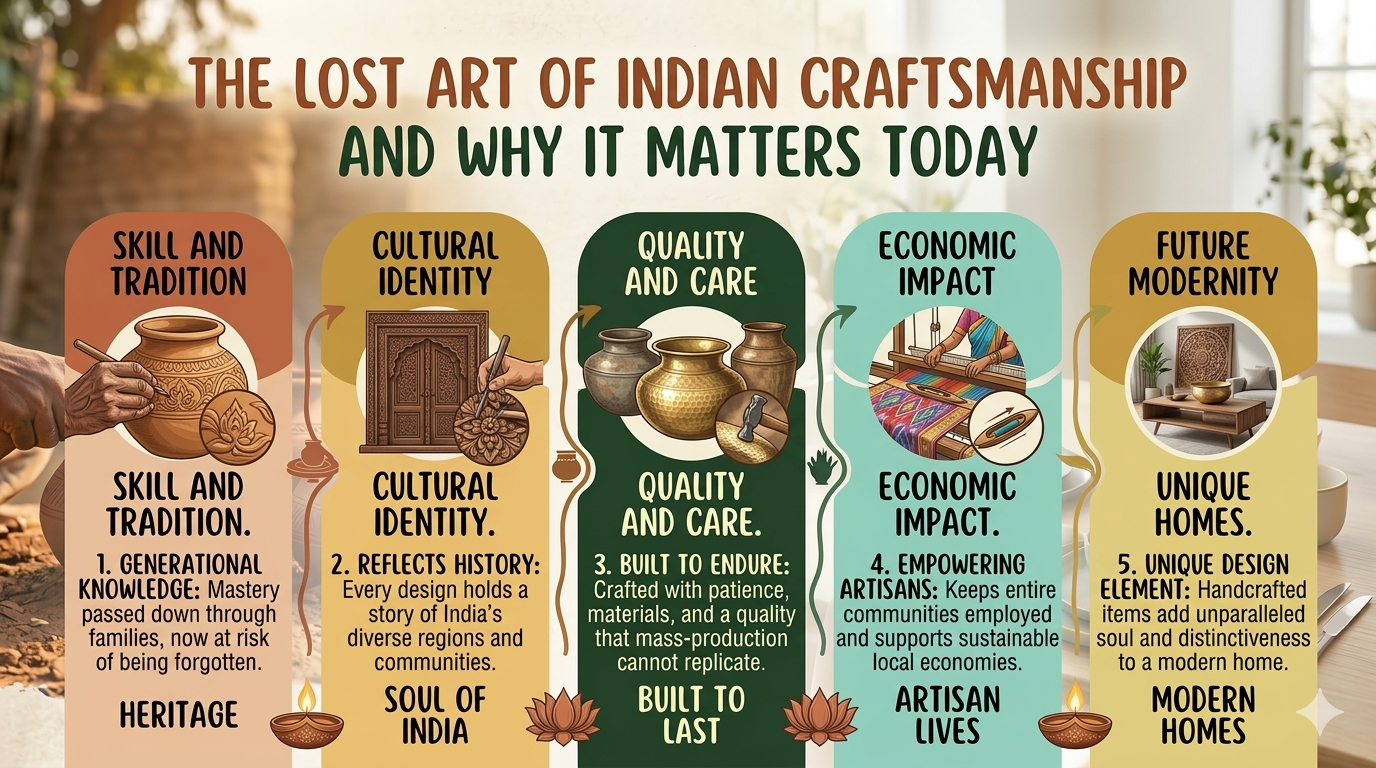
Behind every piece of clay crockery is an artisan who has dedicated years to mastering the craft. Pottery is one of the oldest professions in India, and many families continue this tradition across generations.
By choosing clay crockery for celebrations, consumers directly support these artisans and help sustain their livelihoods. This not only provides economic benefits but also preserves cultural heritage.
In today’s time, when many traditional crafts are at risk of disappearing, supporting artisan-made products becomes even more important. Each purchase contributes to keeping these skills alive and ensuring that future generations can continue this legacy.
Platforms like CrockeryKart play a vital role in connecting artisans with modern consumers, making it easier to bring handmade products into contemporary homes.
6. Perfect for Large Gatherings and Events

Indian celebrations are often grand, involving large gatherings of family and friends. Managing crockery for such events can be challenging, especially when trying to balance convenience and sustainability.
Clay crockery offers a practical solution. It can be used for both small gatherings and large-scale events such as weddings, festivals, and community celebrations. Disposable clay plates and cups are especially useful for large functions as they eliminate the need for extensive cleaning while remaining eco-friendly.
At the same time, reusable terracotta dinner sets can be used for more intimate gatherings, adding elegance and tradition to the dining experience.
This versatility makes clay crockery an ideal choice for a wide range of celebrations.
7. A Step Toward Conscious Celebrations
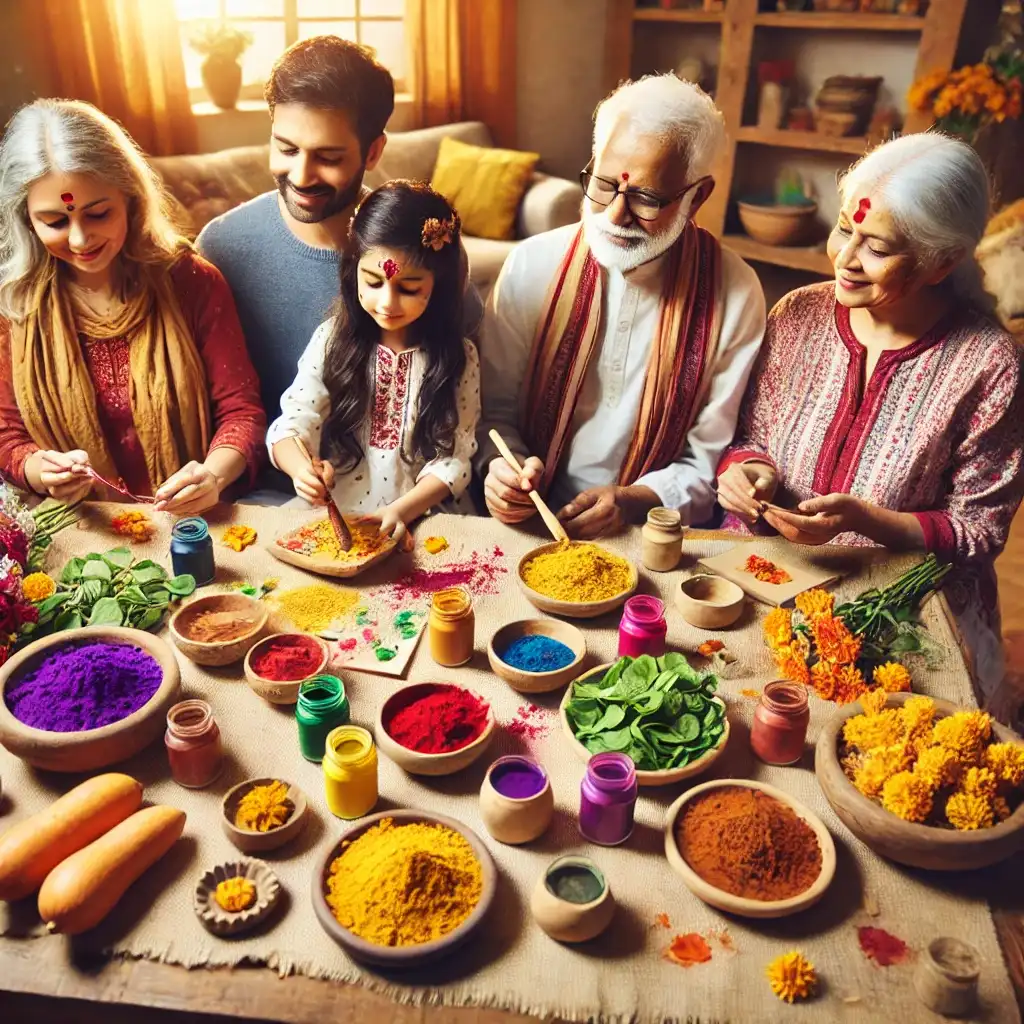
Modern celebrations are gradually shifting toward more conscious and sustainable practices. People are becoming aware of the environmental impact of large events and are looking for ways to reduce waste without compromising on enjoyment.
Using clay crockery is one of the simplest ways to make celebrations more sustainable. It allows hosts to maintain traditional values while adopting environmentally responsible practices.
This shift also sets a positive example for guests and encourages others to consider eco-friendly alternatives in their own celebrations.
By choosing clay crockery, individuals take a small but meaningful step toward creating celebrations that are not only joyful but also responsible.
The Role of Clay Crockery in Indian Festivals
Indian festivals are deeply rooted in tradition, and every element—from decorations to food—carries cultural significance. Clay crockery has always been a part of these celebrations, adding authenticity and meaning to the festive experience.
During Diwali, clay diyas are lit in millions of homes, symbolizing light and positivity. Alongside these diyas, clay utensils are often used to serve festive sweets and snacks. The use of natural materials enhances the traditional atmosphere and aligns with the spiritual essence of the festival.
Holi, the festival of colors, is another occasion where clay crockery plays a role. Traditional drinks like thandai are often served in clay cups, known as kulhads. The earthy aroma of the clay enhances the flavor of the drink, making the experience more enjoyable.
Even during weddings, which are among the grandest celebrations in India, clay crockery is making a comeback. Many wedding planners are now incorporating terracotta tableware into their setups to create a rustic and eco-friendly theme.
These examples show how clay crockery seamlessly blends into different types of Indian celebrations, making them more meaningful and culturally rich.
Clay Crockery and the Concept of “Atithi Devo Bhava”
Hospitality has always been an important part of Indian culture. The concept of “Atithi Devo Bhava,” which means “the guest is equivalent to God,” emphasizes the importance of treating guests with respect and warmth.
Serving food in clay crockery enhances this sense of hospitality. The natural texture and earthy appearance of clay utensils create a welcoming and authentic dining experience. Guests often appreciate the effort and thoughtfulness that goes into choosing traditional tableware.
Unlike disposable plastic plates, which may feel impersonal, clay crockery adds a touch of care and attention to detail. It shows that the host values both the environment and the comfort of their guests.
This simple choice can transform a regular gathering into a memorable experience that reflects the true spirit of Indian hospitality.
The Sensory Experience of Dining with Clay Crockery
One of the most unique aspects of clay crockery is the sensory experience it provides. Dining is not just about taste; it involves sight, smell, touch, and even sound. Clay utensils engage all these senses in a way that modern materials often cannot.
The natural earthy aroma of clay enhances the fragrance of food and beverages. This is particularly noticeable when drinking tea or lassi from a kulhad. The subtle scent of clay adds depth to the overall experience.
The texture of clay crockery also feels different from smooth, machine-made materials. Holding a clay cup or eating from a terracotta plate creates a tactile connection with the object, making the experience more immersive.
Visually, the warm tones of clay complement the vibrant colors of Indian cuisine. From rich curries to colorful sweets, food looks more appealing when served in natural, earthy tableware.
These sensory elements combine to create a dining experience that is both enjoyable and memorable.
Clay Crockery in Modern Urban Celebrations
While clay crockery has its roots in traditional practices, it is increasingly becoming popular in modern urban settings. Today’s consumers are looking for products that combine style, sustainability, and cultural relevance.
Urban households are adopting clay crockery not only for festivals but also for house parties, dinner gatherings, and special occasions. The rustic aesthetic of terracotta tableware adds a unique charm that stands out from conventional crockery.
Restaurants and cafés in cities are also embracing this trend. Many establishments now serve food in clay bowls and cups to create a distinctive dining experience. This approach not only attracts customers but also reinforces the brand’s commitment to sustainability.
Event planners are incorporating clay crockery into themed celebrations, such as eco-friendly weddings and traditional festivals. This trend reflects a growing awareness of the need to balance modern lifestyles with environmentally responsible choices.
The adaptability of clay crockery makes it suitable for both traditional and contemporary settings.
Reducing Waste in Large-Scale Celebrations
Indian celebrations often involve large gatherings, which can lead to significant waste generation. Disposable plastic plates and cups are commonly used in such events because they are convenient and inexpensive. However, they also contribute to environmental pollution.
Clay crockery provides an effective solution to this problem. Disposable clay plates and cups are biodegradable and can be easily disposed of without harming the environment. This makes them an ideal choice for weddings, community events, and large festivals.
For smaller gatherings, reusable terracotta crockery can be used multiple times, reducing the need for single-use products. This not only minimizes waste but also promotes a more sustainable approach to hosting events.
By choosing clay crockery, hosts can significantly reduce the environmental impact of their celebrations while maintaining convenience and style.
Reviving Forgotten Traditions
The use of clay crockery in celebrations is also part of a broader effort to revive forgotten traditions. Over time, many traditional practices have been replaced by modern alternatives, often due to convenience or changing lifestyles.
However, there is a growing realization that these traditions hold valuable insights into sustainable living. Clay utensils, for example, were widely used in the past because they were readily available, affordable, and environmentally friendly.
By reintroducing these practices into modern celebrations, people can reconnect with their cultural roots while addressing contemporary challenges such as environmental sustainability.
This revival is not about rejecting modernity but about finding a balance between tradition and innovation. Clay crockery represents this balance perfectly, combining age-old craftsmanship with modern design and functionality.
The Economic Impact of Choosing Clay Crockery
Every purchase of clay crockery has a direct impact on artisan communities. Pottery is a labor-intensive craft that requires skill, patience, and dedication. By supporting this craft, consumers contribute to the livelihoods of artisans and help sustain traditional occupations.
In many rural areas, pottery is one of the primary sources of income. Increased demand for clay products creates employment opportunities and encourages younger generations to continue the craft.
This economic support is crucial for preserving cultural heritage. Without it, many traditional crafts may disappear over time.
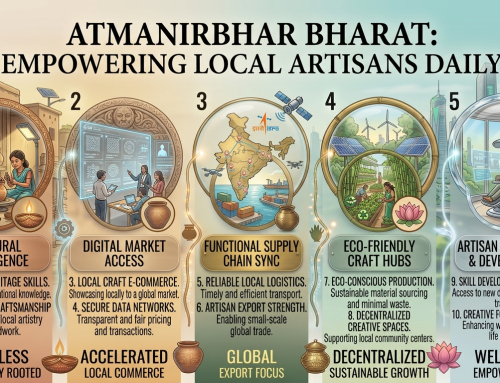
By choosing clay crockery for celebrations, consumers play an active role in promoting local industries and supporting the broader vision of self-reliant communities.
Clay Crockery as a Symbol of Conscious Living
In today’s world, where environmental concerns are becoming increasingly urgent, every small choice matters. The decision to use clay crockery reflects a commitment to conscious living and responsible consumption.
It shows that individuals are willing to prioritize sustainability over convenience and consider the long-term impact of their choices. This mindset extends beyond crockery and influences other aspects of life, such as reducing waste, conserving resources, and supporting ethical businesses.
Celebrations are an opportunity to bring people together and share joy. By making them more sustainable, individuals can also contribute to a larger movement toward environmental responsibility.
Clay crockery serves as a reminder that tradition and sustainability can go hand in hand, creating celebrations that are both meaningful and mindful.
The Future of Celebrations in India
As awareness about sustainability continues to grow, the way people celebrate is likely to evolve. Eco-friendly practices are becoming more popular, and consumers are increasingly looking for ways to reduce the environmental impact of their events.
Clay crockery is expected to play a significant role in this transformation. Its natural composition, aesthetic appeal, and cultural relevance make it an ideal choice for modern celebrations.
Design innovations are also making clay crockery more versatile and accessible. From contemporary dinner sets to stylish serving bowls, artisans are creating products that cater to the needs of modern consumers.
With the support of platforms like CrockeryKart, these products are reaching a wider audience, making it easier for people to incorporate sustainable choices into their lives.
The future of Indian celebrations lies in finding harmony between tradition and sustainability, and clay crockery is at the heart of this shift.
Conclusion: Celebrating Tradition with Responsibility
Indian celebrations are a beautiful blend of culture, food, and togetherness. The choice of crockery may seem like a small detail, but it plays a significant role in shaping the overall experience.
Clay crockery brings together tradition, sustainability, aesthetics, and functionality in a way that few other materials can. It enhances the taste of food, supports artisans, reduces environmental impact, and creates memorable dining experiences.
As more people move toward conscious living, incorporating clay crockery into celebrations is a meaningful way to honor tradition while embracing modern values.
In the end, choosing clay crockery is not just about serving food—it is about celebrating culture, supporting communities, and caring for the planet.
Celebrate traditions the earthy way — choose clay, choose conscious living. 🌿

Leave A Comment