
The Story Behind Kulhad Chai and Its Comeback in India
In India, chai is more than just a beverage—it is an emotion, a ritual, and a daily habit that brings people together. From early morning conversations to late-night discussions, chai has always been at the center of social life. But beyond the tea itself, the way it is served has also played an important role in shaping the experience.
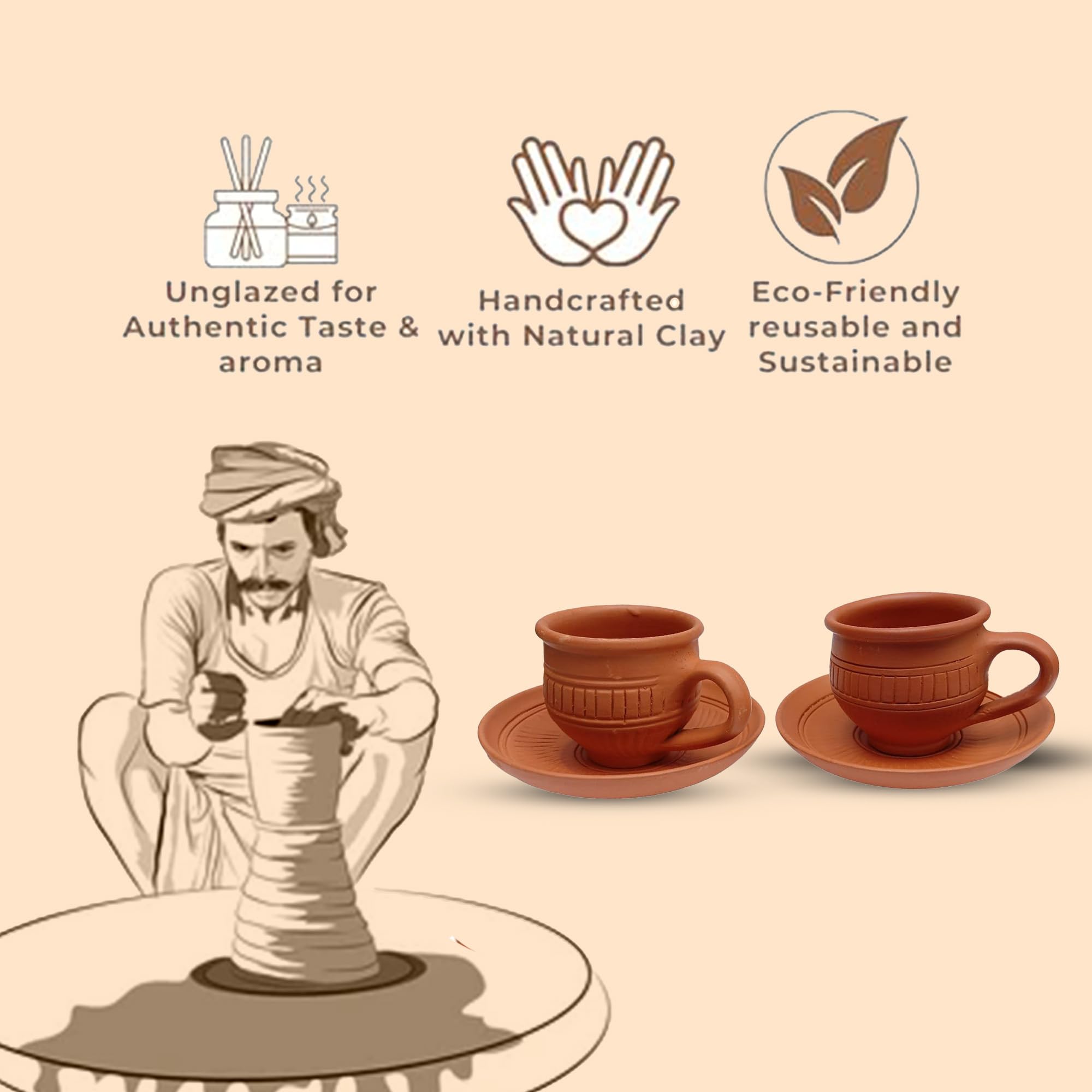
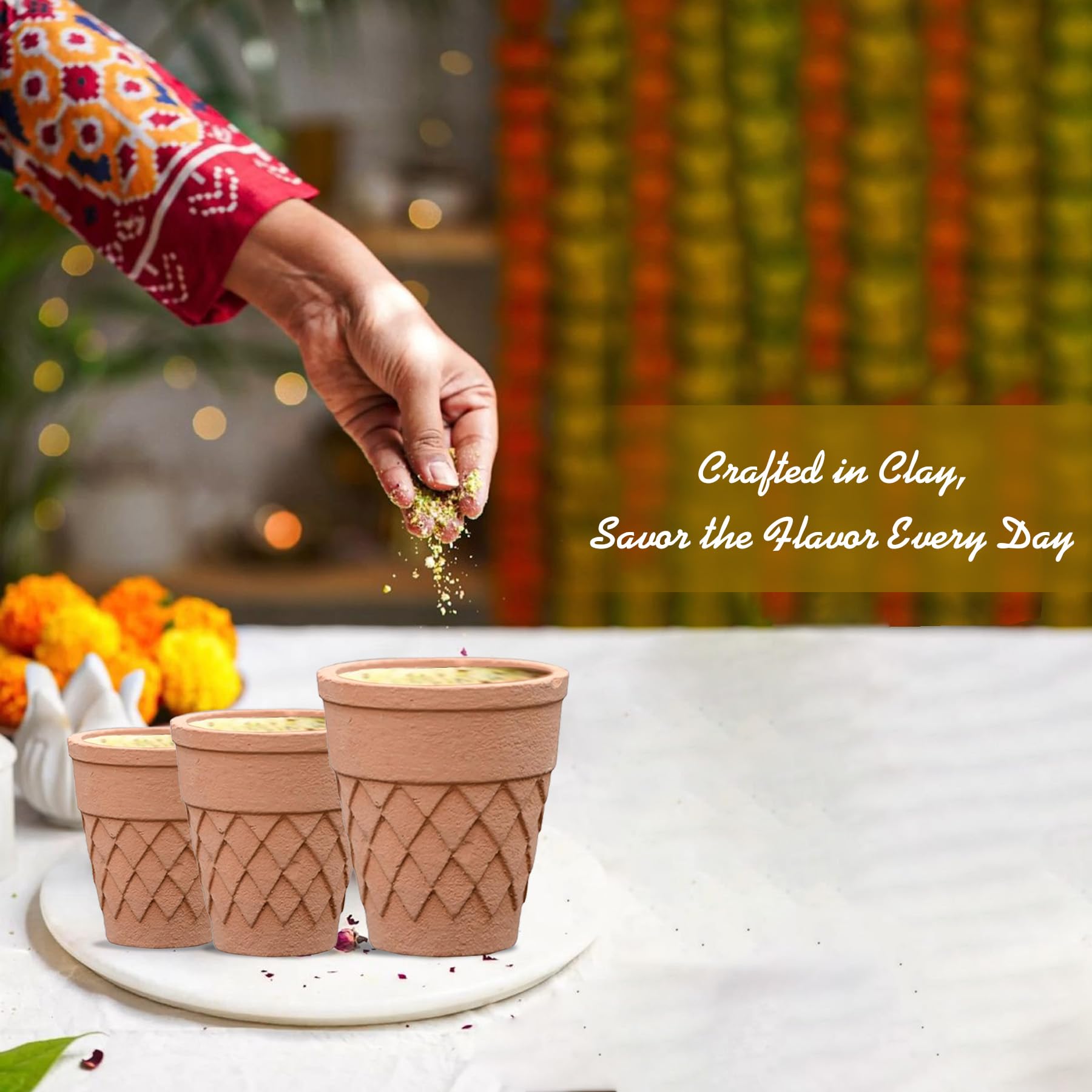
One of the most iconic ways of enjoying chai in India is in a kulhad—a small, unglazed clay cup. For decades, kulhad chai was a common sight at railway stations, roadside stalls, and local markets. The earthy aroma of the clay combined with the rich flavor of tea created a sensory experience that was truly unique.
However, with the rise of plastic and paper cups, this traditional practice began to fade. Today, as people move toward sustainability and authenticity, kulhad chai is making a powerful comeback.
Origins of Kulhad Chai

The history of kulhad chai dates back centuries, rooted in India’s long tradition of pottery. Clay utensils have been used in Indian households since ancient times for cooking, storing, and serving food and beverages.
Kulhads were especially popular because they were inexpensive, easy to produce, and biodegradable. Potters across villages would create these cups using locally available clay, shaping them by hand or on a wheel, and then firing them in kilns.
In the past, Indian Railways played a major role in popularizing kulhad chai. Tea vendors at stations served chai in disposable clay cups, which were used once and then discarded. This system was not only hygienic but also environmentally friendly, as the cups would naturally return to the soil.
The use of kulhads also reflected India’s deep connection with nature, where even everyday objects were made from natural materials.
Why Kulhad Chai Was So Special

What made kulhad chai truly special was the experience it offered. Unlike glass or paper cups, clay kulhads added a distinct earthy fragrance to the tea. This subtle aroma enhanced the flavor and made each sip more enjoyable.
The porous nature of clay also helped maintain the temperature of the tea, keeping it warm for longer. At the same time, the texture of the kulhad provided a tactile experience that felt more natural and authentic.
Drinking chai from a kulhad was not just about taste—it was about connection. It connected people to the soil, to tradition, and to a simpler way of life.
For many Indians, the memory of kulhad chai is tied to train journeys, roadside breaks, and moments of relaxation.
The Decline of Kulhad Culture
Despite its cultural significance, the use of kulhads began to decline with modernization. Plastic and paper cups became widely available and were seen as more convenient for mass use.
Businesses preferred these alternatives because they were lightweight, easy to transport, and cheaper in bulk. Over time, kulhads were gradually replaced, especially in urban areas.
This shift, however, came with environmental consequences. Plastic waste became a major problem, and the charm of traditional chai culture began to fade.
The decline of kulhad chai was not just a loss of a product—it was the loss of an experience and a connection to heritage.
The Comeback of Kulhad Chai

In recent years, kulhad chai has made a remarkable comeback. This revival is driven by a growing awareness of sustainability and a renewed interest in traditional practices.
Many cafés and restaurants are now serving chai in kulhads to offer a unique and eco-friendly experience. The rustic appeal of clay cups has become a trend, especially among younger consumers who value authenticity.
Government initiatives and environmental campaigns have also encouraged the use of biodegradable alternatives, further supporting the return of kulhads.
Social media has played a significant role in this revival as well. The aesthetic appeal of kulhad chai makes it highly shareable, helping spread awareness and popularity.
What was once considered outdated is now seen as stylish, sustainable, and meaningful.
Kulhad Chai and Sustainability

One of the biggest reasons behind the comeback of kulhad chai is its environmental benefit. Unlike plastic or paper cups, kulhads are made entirely from natural clay and do not require chemical processing.
After use, they can be safely discarded without harming the environment. In fact, they eventually break down and become part of the soil again.
This makes kulhads an excellent example of sustainable design—simple, effective, and environmentally responsible.
As more people become conscious of their ecological footprint, the demand for such products is expected to grow.
Supporting Artisans Through Kulhads
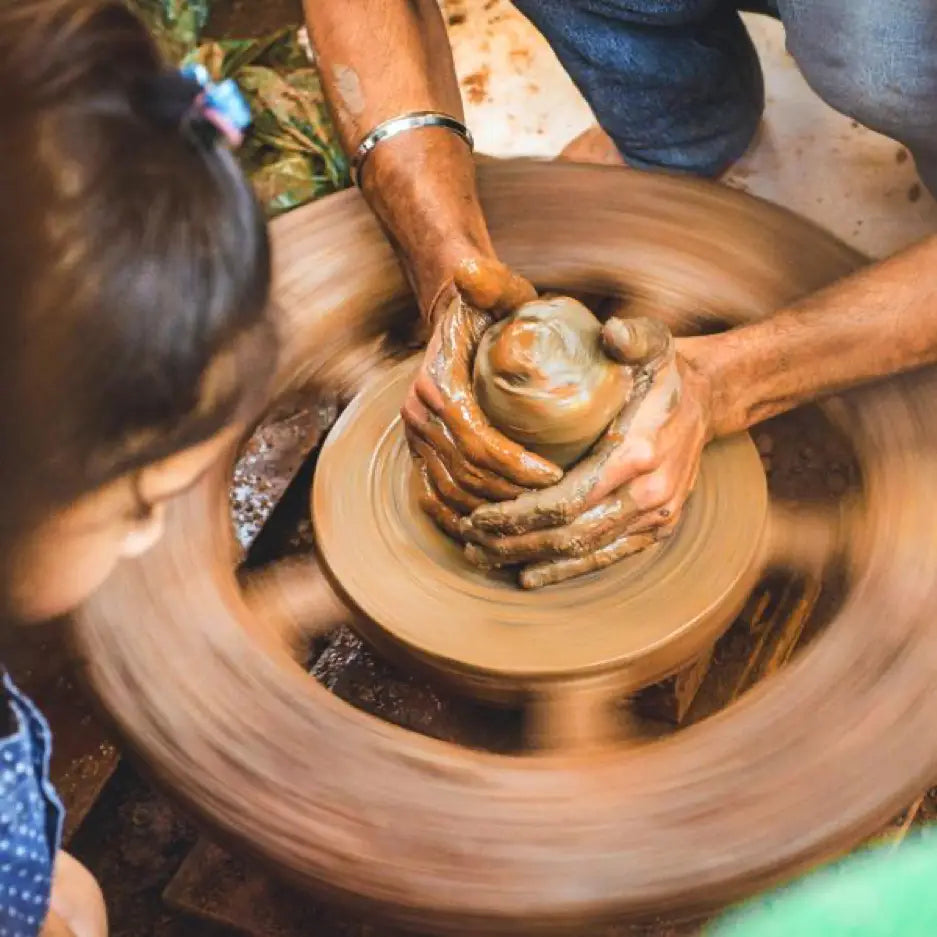
The revival of kulhad chai is also benefiting artisan communities. Pottery is a traditional craft that provides livelihoods to many families across India.
By choosing kulhads, consumers directly support these artisans and help preserve their skills. This creates economic opportunities in rural areas and encourages younger generations to continue the craft.
Platforms like CrockeryKart play an important role in connecting artisans with modern consumers, ensuring that traditional products reach wider audiences.
Every kulhad used is a step toward sustaining a centuries-old craft.
Kulhad Chai in Modern India
Today, kulhad chai represents more than just a beverage—it symbolizes a shift in mindset. It reflects a desire to return to roots while embracing sustainability and conscious living.
From railway stations to premium cafés, kulhad chai is bridging the gap between tradition and modernity. It appeals to both older generations who remember its charm and younger consumers who appreciate its authenticity.
This blend of nostalgia and innovation is what makes kulhad chai so relevant in today’s world.
The Science Behind Kulhad Chai’s Unique Taste
One of the most fascinating aspects of kulhad chai is the science behind its flavor. Unlike glass or plastic, clay is a porous material. This means it allows a small amount of air and moisture to interact with the liquid inside.
When hot chai is poured into a kulhad, the heat causes a mild reaction between the tea and the clay surface. This interaction releases a subtle earthy aroma, enhancing the overall flavor profile of the chai. It is this natural infusion that gives kulhad chai its distinctive taste—something that cannot be replicated by any other material.
Additionally, the slight absorption of moisture by the clay intensifies the richness of the tea. Every sip feels fuller, warmer, and more authentic. This is why many chai lovers insist that tea simply tastes better in a kulhad.
From a scientific perspective, kulhad chai is not just a tradition—it is an experience enhanced by the natural properties of clay.
Kulhad Chai and the Indian Railway Experience
For generations, kulhad chai has been closely associated with train journeys in India. The moment a train stopped at a station, vendors would call out “chai, chai,” serving steaming tea in freshly made clay cups.
This experience became a cherished memory for countless travelers. Holding a warm kulhad while watching the platform buzz with activity created a sense of comfort and connection. The disposable nature of the kulhad also ensured hygiene, as each cup was used only once.
Although plastic and paper cups replaced kulhads in many places over time, the nostalgic value of kulhad chai never faded. Recognizing this, there have been efforts to reintroduce kulhads at railway stations to revive this iconic experience.
Today, for many Indians, kulhad chai is not just about tea—it is about memories of journeys, conversations, and moments shared along the way.
Kulhad Chai in Cafés and Urban Culture
In recent years, kulhad chai has found a new home in urban cafés and modern dining spaces. What was once considered a rural or traditional practice is now seen as trendy and sophisticated.
Cafés are using kulhads to create a unique identity and stand out in a competitive market. The rustic aesthetic of clay cups adds a sense of authenticity that appeals to customers looking for something different.
For young consumers, kulhad chai represents a blend of nostalgia and modernity. It allows them to connect with traditional culture while enjoying a contemporary café experience.
Social media has further amplified this trend. The visual appeal of kulhad chai—steam rising from a clay cup against a rustic background—makes it highly shareable. This has contributed to its growing popularity among urban audiences.
As a result, kulhad chai is no longer limited to roadside stalls or railway stations. It has become a symbol of stylish, conscious, and culturally rooted living.
Comparing Kulhad Chai with Modern Alternatives
To understand the significance of kulhad chai, it is helpful to compare it with modern alternatives such as plastic, paper, and glass cups.
Plastic cups, while convenient, pose serious environmental risks. They are non-biodegradable and contribute to long-term pollution. Additionally, they may release harmful chemicals when exposed to high temperatures.
Paper cups, often considered a better alternative, are not entirely eco-friendly either. Many paper cups are lined with plastic, making them difficult to recycle.
Glass cups are reusable and safer but lack the unique sensory experience that kulhads provide. They do not enhance the flavor or aroma of tea in the same way.
Kulhads, on the other hand, offer a combination of sustainability, safety, and sensory richness. They are made from natural materials, do not contain harmful chemicals, and provide a unique taste experience.
This comparison highlights why kulhad chai is not just a nostalgic choice but also a practical and responsible one.
The Role of Brands Like CrockeryKart
The revival of kulhad chai would not be possible without the support of platforms that promote traditional crafts. Brands like CrockeryKart are playing a crucial role in bringing handmade clay products back into mainstream use.
By connecting artisans with modern consumers, such platforms ensure that traditional pottery remains relevant in today’s market. They provide artisans with opportunities to showcase their work and reach a wider audience.
CrockeryKart also helps educate consumers about the benefits of clay products, from sustainability to health advantages. This awareness encourages more people to make conscious choices in their daily lives.
Through curated collections and innovative designs, platforms like CrockeryKart are making it easier for households and businesses to adopt clay crockery, including kulhads.
This bridge between tradition and modern commerce is essential for the long-term survival of artisan crafts.
How to Incorporate Kulhad Chai in Daily Life
Bringing kulhad chai into everyday life is simpler than it may seem. It does not require major lifestyle changes but can significantly enhance daily routines.
For home use, families can serve morning or evening tea in kulhads instead of regular cups. This small change can transform a routine habit into a more enjoyable experience.
For gatherings and celebrations, kulhads can be used to serve beverages such as chai, coffee, lassi, or even desserts. This adds a traditional touch and impresses guests with a unique presentation.
Businesses such as cafés and restaurants can also incorporate kulhads into their offerings. This not only attracts customers but also aligns with sustainable practices.
Even corporate events and weddings are increasingly using kulhads as eco-friendly alternatives to disposable cups.
These simple steps show how kulhad chai can seamlessly fit into both traditional and modern lifestyles.
Challenges in Scaling Kulhad Usage
While the comeback of kulhad chai is encouraging, there are still challenges that need to be addressed. One of the main issues is scalability. Producing kulhads in large quantities requires significant effort and resources from artisans.
Transportation is another challenge, as clay cups are fragile and can break easily if not handled carefully. This increases costs and limits their distribution in some areas.
Additionally, some businesses may hesitate to adopt kulhads due to concerns about consistency and supply. Unlike machine-made products, handmade items may vary slightly in size and shape.
However, these challenges can be overcome with proper support, innovation, and investment in artisan communities. Improved logistics, better packaging, and increased awareness can help expand the use of kulhads.
As demand continues to grow, solutions to these challenges are likely to emerge.
The Cultural Revival of Everyday Traditions
The comeback of kulhad chai is part of a larger cultural revival happening across India. People are rediscovering traditional practices that were once considered outdated but are now recognized for their value.
This revival is driven by a desire to reconnect with roots and embrace sustainable living. From handloom clothing to organic food and clay utensils, traditional products are gaining popularity once again.
Kulhad chai fits perfectly into this movement. It represents a simple yet powerful way to celebrate heritage while addressing modern concerns such as environmental sustainability.
By adopting such practices, individuals contribute to preserving cultural traditions and promoting a more balanced way of life.
Clay Kulhad Chai as an Experience, Not Just a Beverage
In today’s fast-paced world, where convenience often takes priority over experience, kulhad chai brings back the joy of slowing down and savoring the moment. Drinking tea from a clay cup is not something people rush through—it naturally encourages a pause. The warmth of the kulhad in your hands, the aroma rising with the steam, and the slightly rough texture of the clay all combine to create a moment that feels grounded and real.
Unlike disposable cups that are used and forgotten instantly, kulhads create a small but memorable ritual. Whether it is an early morning chai on a balcony, a mid-day break at work, or an evening conversation with friends, the experience becomes more meaningful. It turns an everyday habit into something special.
This is one of the key reasons why kulhad chai resonates so strongly with people today. In an age where digital distractions dominate, such simple, sensory-rich experiences offer a refreshing change.
The Emotional Nostalgia Attached to Kulhad Chai
For many Indians, kulhad chai is deeply tied to nostalgia. It reminds them of train journeys, roadside stalls, village fairs, and childhood memories. These associations give kulhad chai an emotional value that goes beyond its practical use.
Even for younger generations who may not have experienced traditional kulhad culture firsthand, there is a sense of curiosity and attraction toward it. It represents a connection to roots—a way of experiencing something authentic in a modern world.
This emotional aspect plays a significant role in its comeback. People are not just choosing kulhads for sustainability; they are choosing them for the feelings and memories they evoke.
Brands and cafés are tapping into this nostalgia by recreating traditional chai experiences, often pairing kulhads with rustic décor and regional flavors. This combination of emotion and experience makes kulhad chai stand out in a crowded market.
Kulhad Chai in the Global Spotlight
Interestingly, kulhad chai is no longer limited to India. As global interest in sustainable and culturally rich products grows, traditional Indian practices are gaining international attention.
Kulhad chai, with its eco-friendly nature and unique sensory appeal, has the potential to become a global trend. Tourists visiting India often find the experience of drinking chai in a clay cup memorable and distinctive. Many take this idea back with them, contributing to its spread beyond borders.
International cafés and cultural events are beginning to experiment with clay cups inspired by the kulhad concept. This not only introduces Indian traditions to a wider audience but also highlights the importance of sustainable alternatives.
The global appeal of clay kulhad chai shows how traditional practices can adapt and thrive in modern contexts. It reinforces the idea that sustainability and cultural heritage can go hand in hand.
Conclusion: A Tradition Reimagined in Clay
The story of kulhad chai is a journey from tradition to decline and back to revival. It highlights how simple practices rooted in nature can remain relevant even in a rapidly changing world.
As people become more aware of sustainability and cultural heritage, kulhad chai stands out as a symbol of both. It reminds us that sometimes, the best solutions are those that have existed all along.
By embracing kulhad chai, we do more than enjoy tea—we celebrate tradition, support artisans, and take a small step toward a more sustainable future.
Final Extended Reflection
Kulhad chai is more than just a method of serving tea—it is a symbol of India’s ability to blend tradition with innovation. Its journey from widespread use to decline and back to revival reflects changing consumer values and growing awareness about sustainability.
In a world dominated by convenience and mass production, kulhad chai reminds us of the beauty of simplicity and authenticity. It shows that traditional practices, when reimagined for modern contexts, can offer solutions that are both meaningful and practical.
As more people embrace this trend, kulhad chai is set to become not just a nostalgic memory but a defining feature of modern Indian culture—one that celebrates heritage, supports artisans, and promotes a sustainable future.
Final Line (Slogan)
Sip tradition, savor sustainability—bring back the kulhad culture. ☕🌿



Leave A Comment