
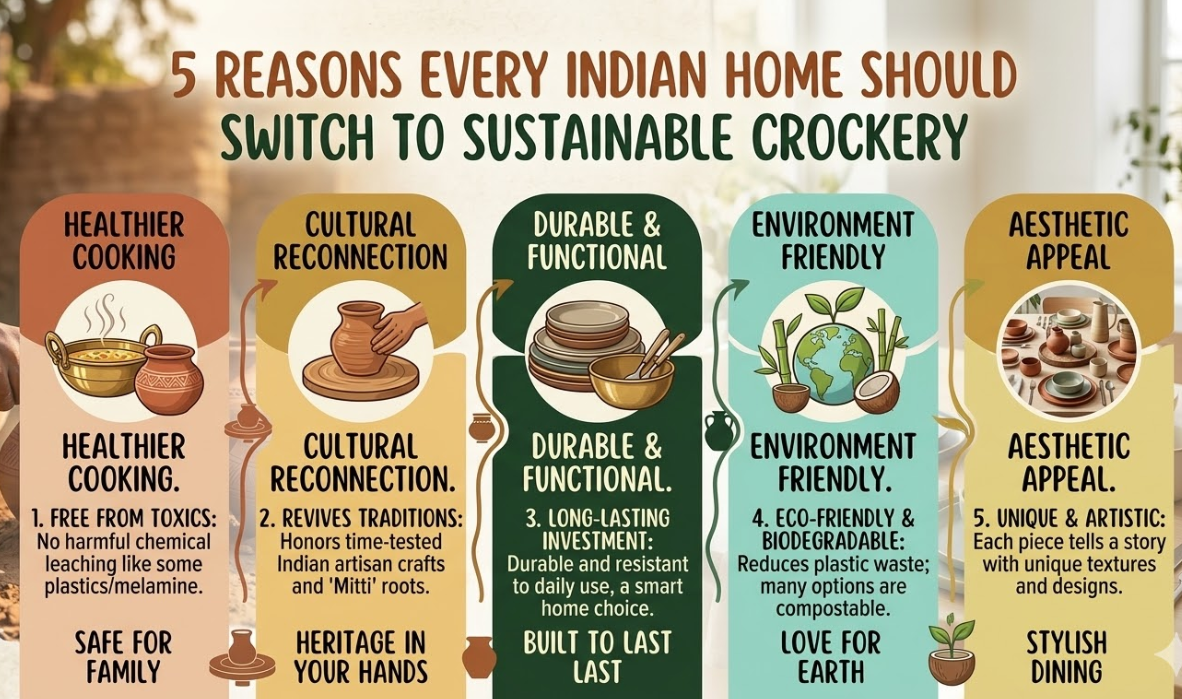
5 Reasons Every Indian Home Should Switch to Sustainable Crockery
Across India, a quiet yet powerful shift is taking place in the way people approach everyday living. More families are becoming conscious of the environmental impact of their lifestyle choices, from the food they eat to the products they use in their homes. Among these choices, the type of crockery used daily has emerged as an important conversation.
For decades, plastic, melamine, and heavily processed materials dominated Indian kitchens. While these products offered convenience, they also contributed to environmental pollution and reduced the demand for traditional handcrafted alternatives. Today, however, a new wave of awareness is encouraging people to return to natural materials and eco-friendly products.
This is where sustainable crockery plays a significant role. Made from materials such as clay, terracotta, ceramic, bamboo, and other natural resources, sustainable crockery represents a perfect blend of tradition, functionality, and environmental responsibility.
Choosing sustainable crockery is not just about replacing plates and bowls; it is about embracing a lifestyle that values health, sustainability, and cultural heritage. Let us explore the five powerful reasons why every Indian home should consider making this transition.
1. Sustainable Crockery Is Better for the Environment

One of the most compelling reasons to switch to sustainable crockery is its positive impact on the environment. Modern kitchens often rely heavily on plastic and synthetic materials that take hundreds of years to decompose. These materials contribute to landfill waste, ocean pollution, and long-term environmental damage.
Sustainable crockery, on the other hand, is made from natural materials that are biodegradable and environmentally friendly. Clay, terracotta, and ceramic products return safely to the earth at the end of their lifecycle without leaving harmful residues behind.
In India, where environmental concerns such as plastic waste and pollution are becoming increasingly urgent, adopting eco-friendly alternatives can make a significant difference. Even small changes at the household level can collectively reduce the overall environmental burden.
When thousands of families choose natural crockery over plastic or disposable alternatives, the cumulative impact becomes powerful. This shift encourages sustainable production practices and reduces the demand for harmful materials.
Additionally, many sustainable crockery products are handmade by artisans rather than manufactured in large factories. This reduces industrial energy consumption and supports environmentally responsible production methods.
In essence, sustainable crockery helps households align their daily habits with the broader goal of protecting the planet.
2. Natural Materials Are Healthier for Everyday Use

Another major advantage of sustainable crockery lies in its health benefits. Many synthetic materials used in conventional crockery contain chemicals that can potentially affect food quality over time. Plastics, in particular, may release harmful substances when exposed to high temperatures.
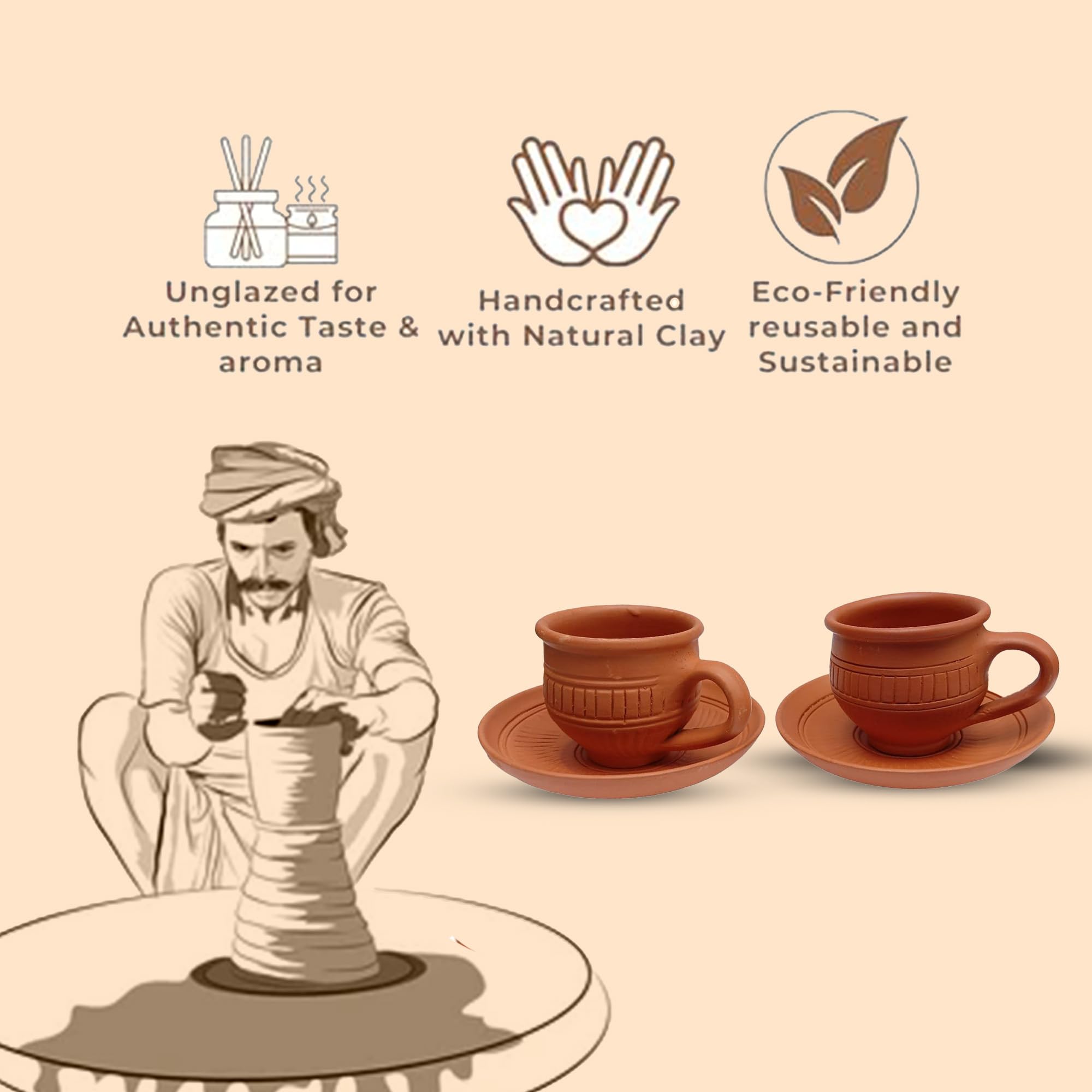
Natural materials such as clay and ceramic do not contain these chemicals and are considered safer for everyday dining. Clay utensils have been used in Indian kitchens for centuries because they interact naturally with food without altering its chemical composition.
Cooking or serving food in clay vessels can also enhance flavor. Clay distributes heat evenly and allows food to cook slowly, preserving nutrients and natural taste. Many traditional recipes are specifically designed to be prepared in earthen pots because of these benefits.
Drinking tea from a clay kulhad, for example, provides a distinct earthy aroma that enhances the overall experience. Similarly, water stored in a clay matka remains naturally cool due to the porous nature of the material.
These simple yet effective properties demonstrate how sustainable crockery supports healthier living while preserving traditional culinary practices.
3. Sustainable Crockery Supports Indian Artisans
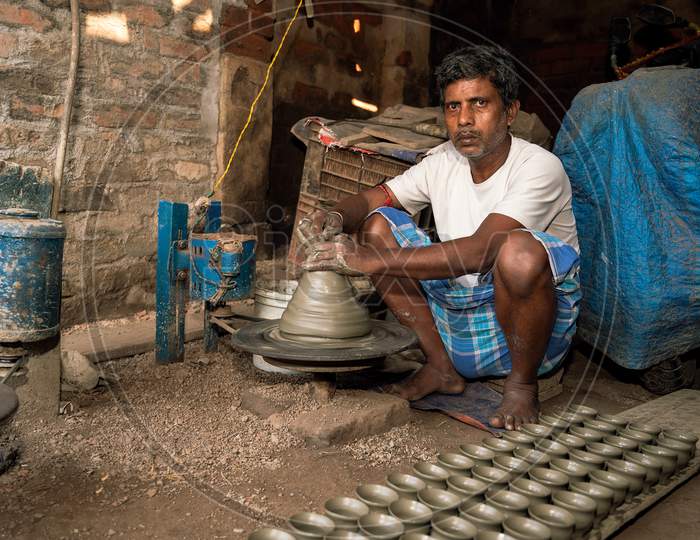
Behind every handcrafted clay plate or terracotta bowl lies the story of an artisan who has spent years perfecting their craft. Pottery and ceramic making are among the oldest traditional crafts in India, passed down through generations of skilled craftsmen.
Unfortunately, the rise of mass-produced kitchenware significantly reduced the demand for handmade pottery. Many artisan communities struggled to sustain their livelihoods as consumers shifted toward factory-made alternatives.
The growing interest in sustainable crockery is now helping revive these traditional crafts. When consumers choose handmade products, they directly support artisan families and rural economies.
This support goes beyond financial benefits. It also helps preserve cultural heritage and traditional knowledge that might otherwise disappear. Every purchase of artisan-made crockery contributes to sustaining centuries-old craftsmanship.
Platforms and businesses that promote sustainable products play an important role in connecting artisans with modern consumers. By bringing traditional crafts into contemporary markets, they ensure that artisans receive the recognition and income they deserve.
Supporting sustainable crockery therefore becomes an act of cultural preservation as well as responsible consumption.
4. Sustainable Crockery Enhances the Dining Experience
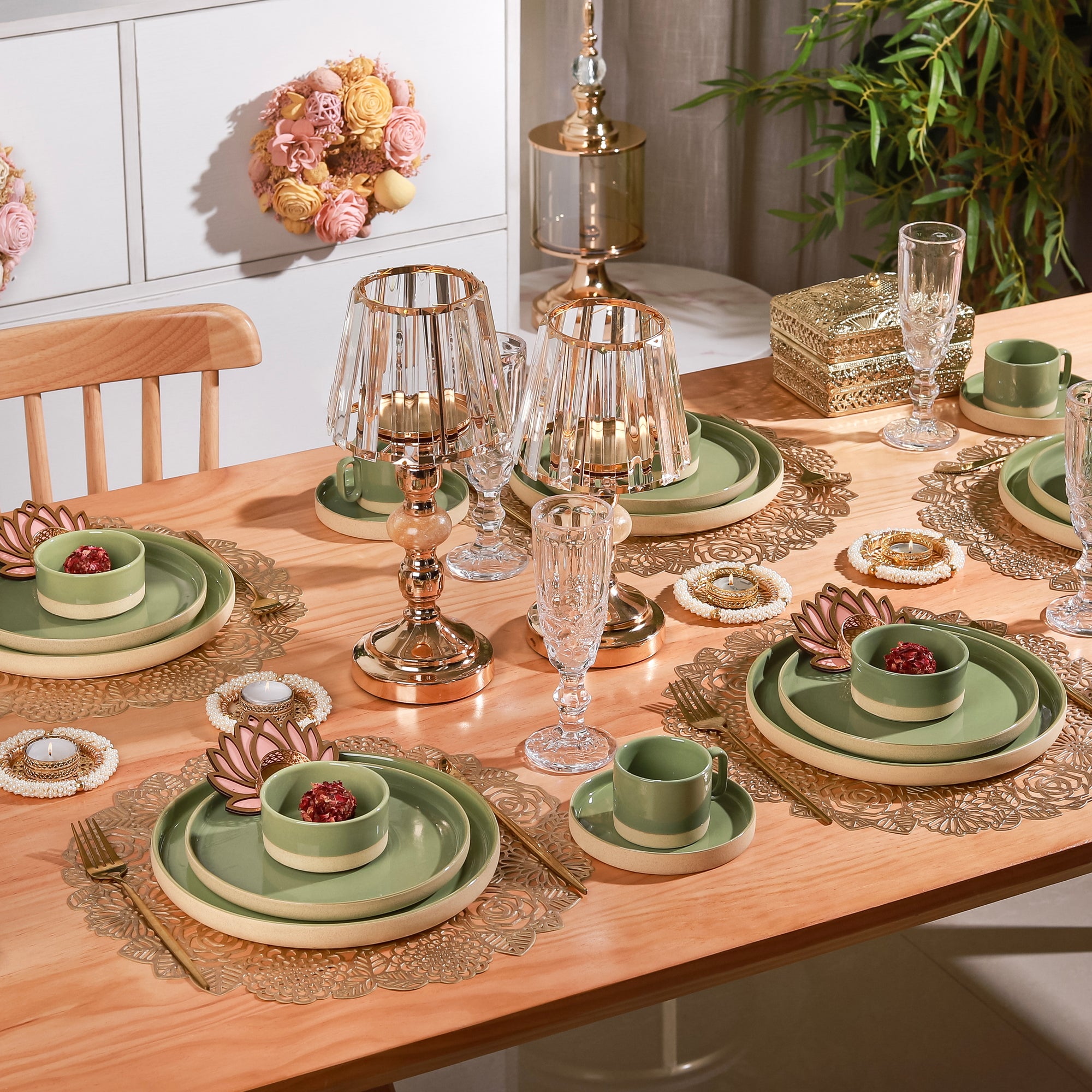
Beyond environmental and social benefits, sustainable crockery also enhances the aesthetic appeal of dining. Handmade pottery and clay tableware add warmth, texture, and character to the dining table.
Unlike mass-produced plates that look identical, handcrafted crockery often features subtle variations in shape, color, and texture. These differences give each piece a unique personality and create a more authentic dining experience.
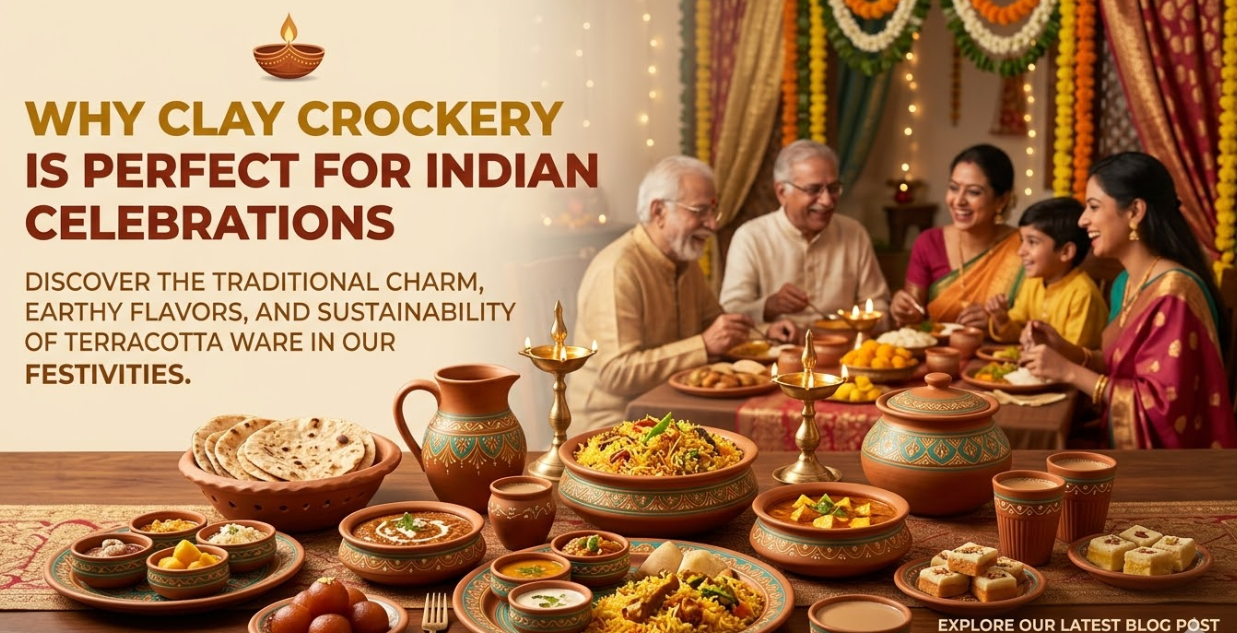
Many restaurants and cafes are now using clay plates and ceramic bowls to present their dishes. The earthy tones of terracotta and the natural finish of pottery complement the visual presentation of food beautifully.
For home dining, sustainable crockery can transform everyday meals into more enjoyable experiences. Whether serving traditional Indian cuisine or modern dishes, natural tableware creates a sense of connection with nature and culture.
Interior designers also appreciate the rustic charm of clay tableware because it blends well with contemporary décor styles. This combination of beauty and functionality makes sustainable crockery a popular choice for modern households.
5. It Encourages Conscious and Responsible Living
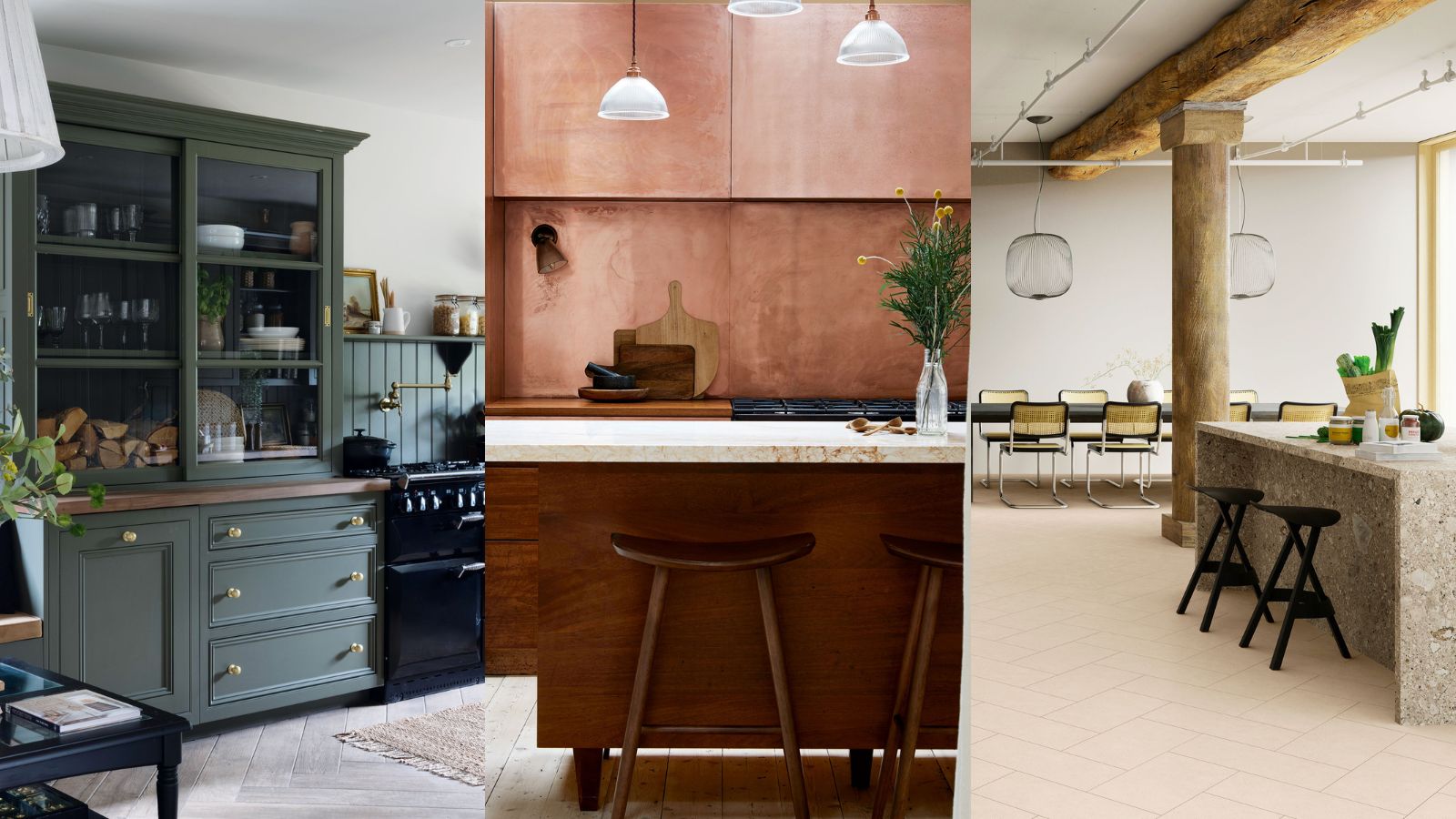
Perhaps the most meaningful reason to switch to sustainable crockery is the mindset it promotes. Choosing eco-friendly products encourages individuals to think more carefully about their consumption habits and the impact they have on the world.
When families consciously select products made from natural materials, they develop a deeper appreciation for sustainability and responsible living. This awareness often extends to other areas of life, such as reducing waste, conserving resources, and supporting ethical businesses.
In India, where cultural traditions have long emphasized harmony with nature, sustainable living aligns perfectly with traditional values. Clay utensils, earthen cookware, and handmade pottery were once integral parts of daily life because they reflected a balanced relationship with the environment.
Returning to these practices is not about rejecting modernity but about integrating ancient wisdom with contemporary lifestyles.
By choosing sustainable crockery, households can take a simple yet powerful step toward creating a more environmentally responsible future.
The Environmental Crisis and the Need for Sustainable Choices
In recent decades, the world has witnessed an alarming rise in environmental challenges. Plastic pollution, overflowing landfills, and excessive industrial waste have become serious concerns affecting ecosystems across the globe. India, with its large population and rapidly growing urban centers, is also facing the consequences of unsustainable consumption patterns.
One of the biggest contributors to environmental waste is the widespread use of plastic products. Disposable plastic plates, cups, and containers are commonly used in households, restaurants, and large events. While these products offer convenience, they also generate enormous amounts of non-biodegradable waste that remains in the environment for hundreds of years.
This is where sustainable crockery offers a meaningful alternative. Products made from clay, terracotta, bamboo, and natural ceramics break down naturally over time and do not release harmful chemicals into the soil or water. By switching to eco-friendly tableware, households can significantly reduce their contribution to environmental pollution.
The transition to sustainable crockery also encourages more responsible production methods. Unlike mass-produced plastic items that require heavy industrial processes, handmade crockery often involves traditional crafting techniques that consume fewer resources. This reduces energy consumption and minimizes carbon emissions associated with manufacturing.
Every small decision made within a household contributes to a larger environmental impact. When families adopt sustainable crockery in their kitchens, they take an important step toward protecting natural resources and promoting environmentally conscious living.
The Role of Tradition in Sustainable Living
India has a long history of sustainable practices embedded within its culture. Long before the concept of “eco-friendly living” became popular, Indian communities relied on natural materials for everyday use. Clay utensils, terracotta pots, and earthen cooking vessels were widely used in households because they were easily available, affordable, and environmentally friendly.
Traditional Indian kitchens often featured clay water pots, commonly known as matkas, which naturally cooled water during hot summers. Similarly, clay cookware was used for slow cooking, allowing food to retain its flavor and nutritional value. These practices demonstrated how ancient communities understood the benefits of working with nature rather than against it.
The shift toward synthetic materials occurred largely during the industrial era, when plastic and metal products became widely accessible. While these materials offered convenience, they also distanced people from the natural resources that had once been an integral part of daily life.
Today, the growing awareness of environmental sustainability is encouraging many households to revisit traditional practices. Sustainable crockery represents a return to these time-tested methods while adapting them for modern lifestyles.
By embracing natural materials again, families not only reduce environmental impact but also reconnect with cultural traditions that emphasize balance between humans and nature.
The Economic Impact of Supporting Local Crafts
Switching to sustainable crockery does more than benefit the environment—it also plays an important role in supporting local economies. Across India, thousands of artisans depend on traditional crafts such as pottery, ceramics, and terracotta work for their livelihoods.
These artisans possess unique skills that have been passed down through generations. However, the decline in demand for handmade products over the past few decades has created significant challenges for craft communities. Many artisans struggle to compete with mass-produced alternatives that dominate the market.
When consumers choose handcrafted crockery, they directly contribute to preserving these traditional occupations. Each purchase helps sustain artisan families and encourages the continuation of craft traditions that form an important part of India’s cultural heritage.
Supporting local artisans also strengthens rural economies. Many pottery communities are located in small towns and villages where employment opportunities are limited. Increased demand for handmade products creates new economic opportunities and helps improve the quality of life for these communities.
In this way, sustainable crockery becomes more than a household product—it becomes a symbol of responsible consumption and social impact.
The Growing Popularity of Sustainable Dining
Another reason sustainable crockery is gaining popularity is the changing perception of dining experiences. Today’s consumers are not only concerned with the taste of food but also with how it is presented and served. The aesthetics of a dining setup have become an important aspect of modern lifestyles.
Handmade crockery adds a unique charm to dining tables. The earthy textures and natural colors of terracotta and clay create a warm and inviting atmosphere. Unlike factory-produced plates that look identical, handcrafted items often have subtle variations that make each piece special.
Restaurants and cafes across India are increasingly using clay bowls and terracotta plates to serve their dishes. This not only enhances presentation but also creates a memorable experience for customers. Many chefs believe that the right tableware can elevate the perception of a dish and highlight its cultural roots.
Homeowners are also adopting similar ideas when hosting gatherings or family meals. Sustainable crockery allows them to create visually appealing dining arrangements while staying aligned with environmentally responsible values.
This trend reflects a broader movement toward mindful consumption, where people choose products that offer both beauty and sustainability.
Sustainable Crockery and Modern Design Trends
Modern interior design has embraced the concept of minimalism and natural aesthetics. Homes today often incorporate elements such as wooden furniture, neutral color palettes, and natural textures to create calming environments. Sustainable crockery fits perfectly into this design philosophy.
Clay plates, ceramic bowls, and terracotta cups add organic warmth to dining spaces. Their natural appearance complements contemporary décor while maintaining a connection to traditional craftsmanship. Many designers use handcrafted pottery as a focal point in dining arrangements because it brings authenticity and character to the table.
The versatility of sustainable crockery also allows it to blend seamlessly with different design styles. Whether placed in a rustic kitchen, a minimalist apartment, or a modern restaurant setting, clay and ceramic tableware enhance the overall ambiance.
As design trends continue to favor natural materials, sustainable crockery is expected to remain a popular choice among homeowners who value both aesthetics and environmental responsibility.
Educating the Next Generation About Sustainability
One of the most important aspects of adopting sustainable crockery is the opportunity it provides to educate younger generations about environmental responsibility. Children often learn habits from observing their surroundings, including the products used in their homes.
When families incorporate eco-friendly practices into daily life, they set an example that encourages mindful consumption. Using sustainable crockery can open conversations about topics such as environmental protection, waste reduction, and the importance of supporting local artisans.
These discussions help build awareness and foster a sense of responsibility toward the planet. Over time, such values influence future generations to make thoughtful choices in their own lives.
By integrating sustainable products into everyday routines, households contribute to shaping a culture that prioritizes environmental well-being and ethical consumption.
The Future of Sustainable Kitchens in India
Looking ahead, the future of Indian kitchens is likely to be shaped by a growing emphasis on sustainability. As awareness about environmental issues continues to increase, consumers are expected to seek products that align with eco-friendly values.
Sustainable crockery is poised to play a significant role in this transformation. Advances in design and craftsmanship are making eco-friendly tableware more accessible and appealing to modern consumers. At the same time, initiatives that support artisan communities are helping ensure that traditional crafts remain viable sources of livelihood.
Technology and digital platforms are also contributing to the revival of handmade products by connecting artisans with customers across the country and even internationally. This expanded reach allows traditional crafts to thrive in a global marketplace.
The shift toward sustainable living represents a positive step for both society and the environment. By choosing natural materials and supporting responsible production practices, individuals contribute to a more balanced and sustainable future.
Conclusion: A Small Change with a Big Impact
The decision to switch to sustainable crockery may seem small, but its impact can be far-reaching. From protecting the environment and improving health to supporting artisans and enhancing dining experiences, the benefits are both practical and meaningful.
India has a rich tradition of using natural materials in everyday life. Clay pots, terracotta plates, and earthen cups have served generations of families while maintaining harmony with nature. Today, as sustainability becomes a global priority, these traditional practices are once again gaining relevance.
Modern consumers have the opportunity to revive these traditions while adapting them to contemporary lifestyles. By choosing eco-friendly tableware, they contribute to preserving cultural heritage and building a more sustainable future.
Every meal served in sustainable crockery becomes a reminder that conscious choices matter. It shows that even the simplest household decisions can play a role in shaping a healthier planet and a more responsible society.
In the end, sustainable crockery is more than just tableware—it is a symbol of mindful living and respect for the earth.

Leave A Comment