
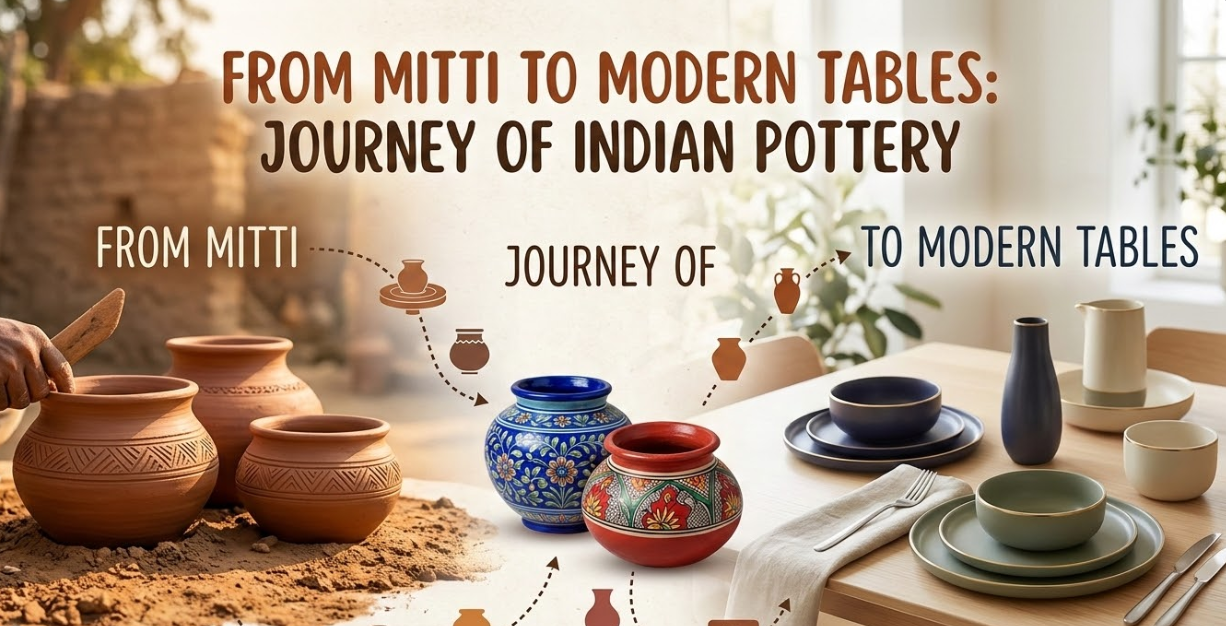
India’s relationship with clay goes back thousands of years. Long before stainless steel kitchens and modern dinnerware sets, everyday life in Indian households revolved around handmade utensils created from the earth. The story of Indian pottery is not merely about objects made from clay—it is about culture, sustainability, and human creativity passed down through generations.
Across villages and ancient settlements, artisans transformed simple clay into plates, bowls, cups, and storage vessels that served families for centuries. The journey of Indian pottery reflects how tradition and craftsmanship continue to influence modern living.
Today, as people rediscover sustainable lifestyles, this ancient craft is finding its way back into contemporary homes and dining tables.
Ancient Origins of Indian Pottery
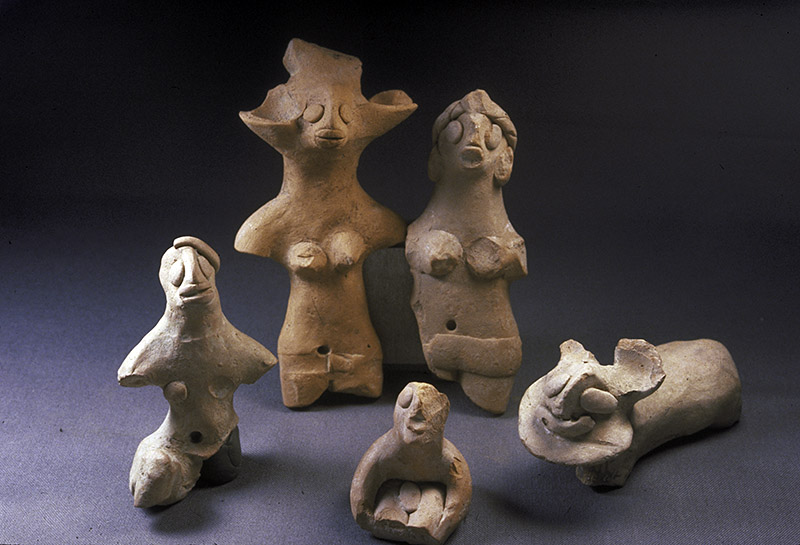
The roots of Indian pottery can be traced to the Indus Valley Civilization, one of the earliest urban cultures in the world. Archaeological discoveries from sites like Harappa and Mohenjo-daro reveal beautifully crafted clay vessels, storage jars, and decorative pottery.
These artifacts demonstrate how advanced Indian pottery techniques were even thousands of years ago. Potters used wheels to shape clay and decorated surfaces with intricate patterns and geometric motifs.
These early creations were not just functional tools. They also reflected the artistic sensibilities of ancient communities. From cooking vessels to ceremonial objects, Indian pottery played an important role in everyday life.
The durability of these artifacts also shows the remarkable skill possessed by early craftsmen.
The Craft of the Potter: Transforming Clay into Culture

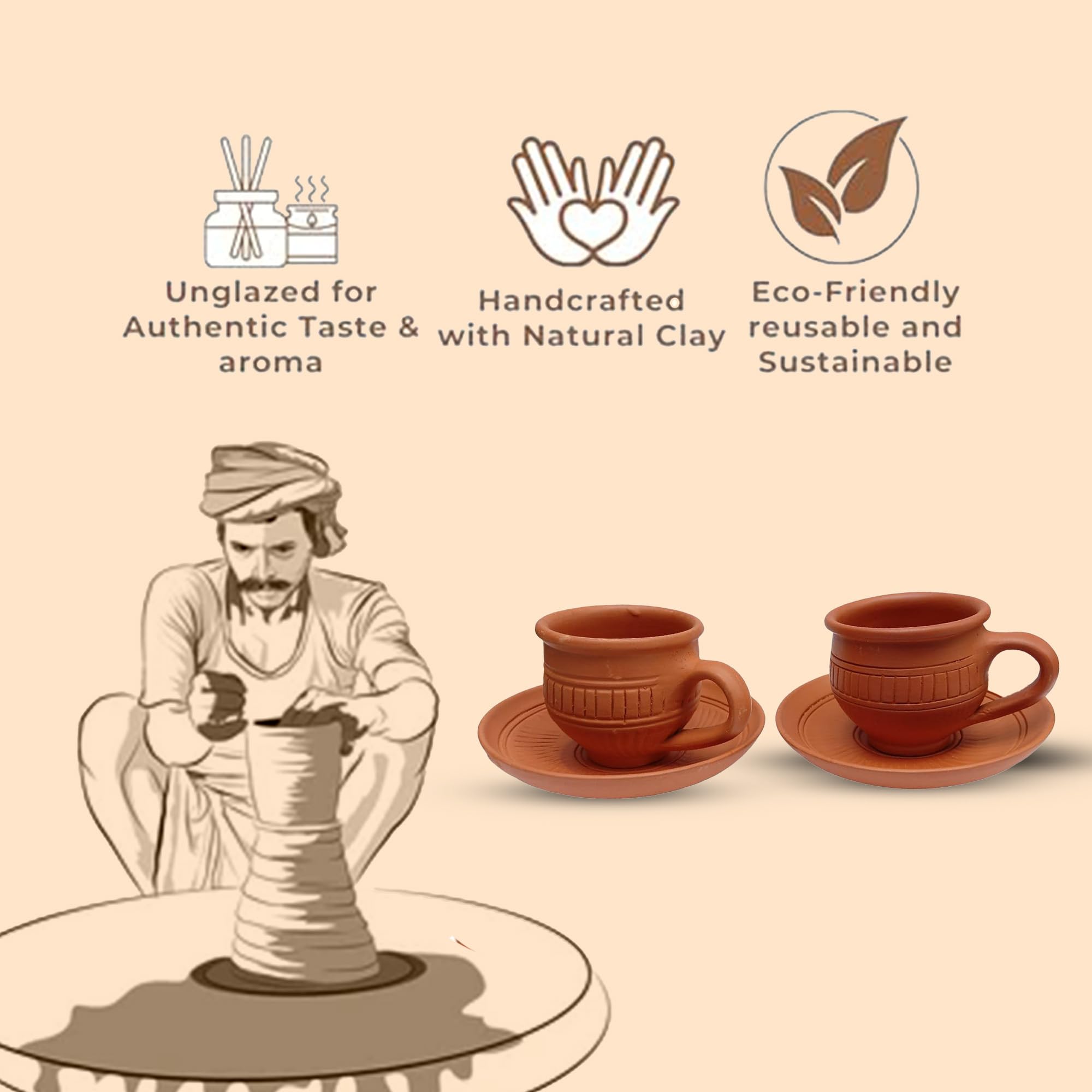
Behind every piece of pottery lies the hands of an artisan who has spent years mastering the craft. The process begins with gathering the right kind of clay from the soil. This clay is cleaned, kneaded, and prepared carefully before it is placed on a spinning wheel.
As the wheel rotates, the potter shapes the clay using skilled hand movements. In a matter of minutes, a simple lump of earth transforms into a bowl, pot, or plate. This delicate balance of technique and creativity defines the essence of Indian pottery.
Once shaped, the pieces are left to dry under the sun. They are then fired in kilns at high temperatures to harden the clay and enhance durability. Some artisans also decorate pottery with natural pigments and traditional motifs.
This entire process reflects patience, discipline, and deep knowledge of materials.
Pottery in Traditional Indian Homes
For centuries, Indian households depended heavily on earthenware utensils. Clay pots were used for cooking rice and curries, while large terracotta vessels stored water to keep it cool during hot summers.
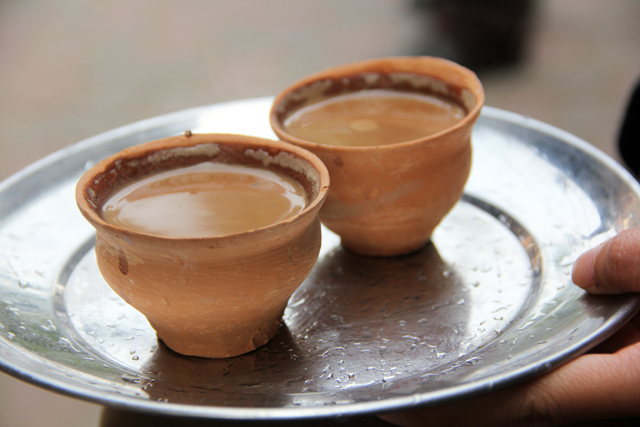
One of the most iconic examples of Indian pottery is the kulhad, a clay cup widely used for serving tea across the country. Drinking chai in a kulhad creates a distinct earthy aroma that enhances the overall experience.
Another common item was the matka, a traditional water pot that naturally cools water without refrigeration. This demonstrates how ancient Indian pottery techniques were not only environmentally friendly but also scientifically effective.
These everyday objects were simple yet essential, reflecting the close relationship between people and natural materials.
The Decline of Traditional Pottery
With industrialization and urban development, the use of traditional pottery began to decline. Mass-produced materials such as plastic, glass, and stainless steel replaced many clay utensils.
While these modern alternatives offered convenience and durability, they also reduced the demand for handmade pottery. Many artisans who once depended on this craft struggled to maintain their livelihoods.
The decline of Indian pottery affected not just individual craftsmen but entire communities that relied on pottery-making as a traditional occupation.
However, despite these challenges, the craft never completely disappeared. In villages and small towns, artisans continued to practice pottery, preserving techniques that had been passed down through generations.
The Revival of Indian Pottery in Modern Times
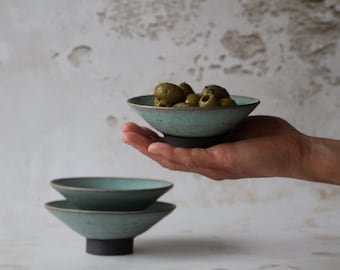
In recent years, there has been a renewed appreciation for handmade crafts and sustainable materials. This shift in consumer awareness has brought Indian pottery back into the spotlight.
Modern designers and brands are experimenting with traditional clay techniques to create stylish crockery suitable for contemporary homes. Terracotta dinner sets, clay mugs, and handmade bowls are now being used not only for their functionality but also for their aesthetic appeal.
The revival of Indian pottery also reflects a growing interest in eco-friendly living. Consumers are increasingly choosing natural materials that reduce environmental impact while supporting artisan communities.
This transformation shows how ancient crafts can adapt to modern lifestyles without losing their cultural essence.
Sustainability and the Future of Pottery
One of the strongest reasons behind the resurgence of Indian pottery is its environmental sustainability. Clay is a natural material that decomposes easily and does not contribute to long-term pollution.
Unlike plastic products that take centuries to break down, pottery items can safely return to the earth at the end of their lifecycle. This makes them an environmentally responsible alternative for everyday use.
The concept of sustainable living has gained significant attention in modern India, and pottery aligns perfectly with this movement. By choosing clay utensils, consumers can reduce waste and contribute to environmental preservation.
In many ways, Indian pottery represents a perfect blend of tradition and sustainability.
Supporting Artisans and Preserving Heritage
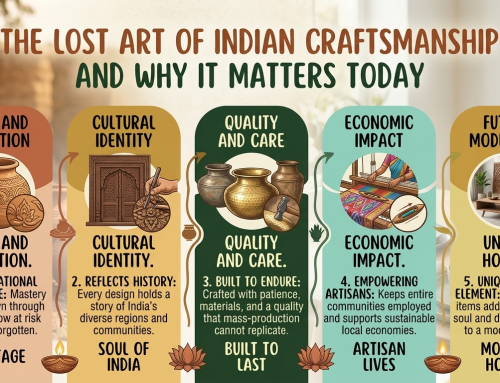
The revival of pottery also helps support thousands of artisans who depend on this craft for their livelihood. When people choose handmade products, they directly contribute to sustaining traditional skills and rural economies.
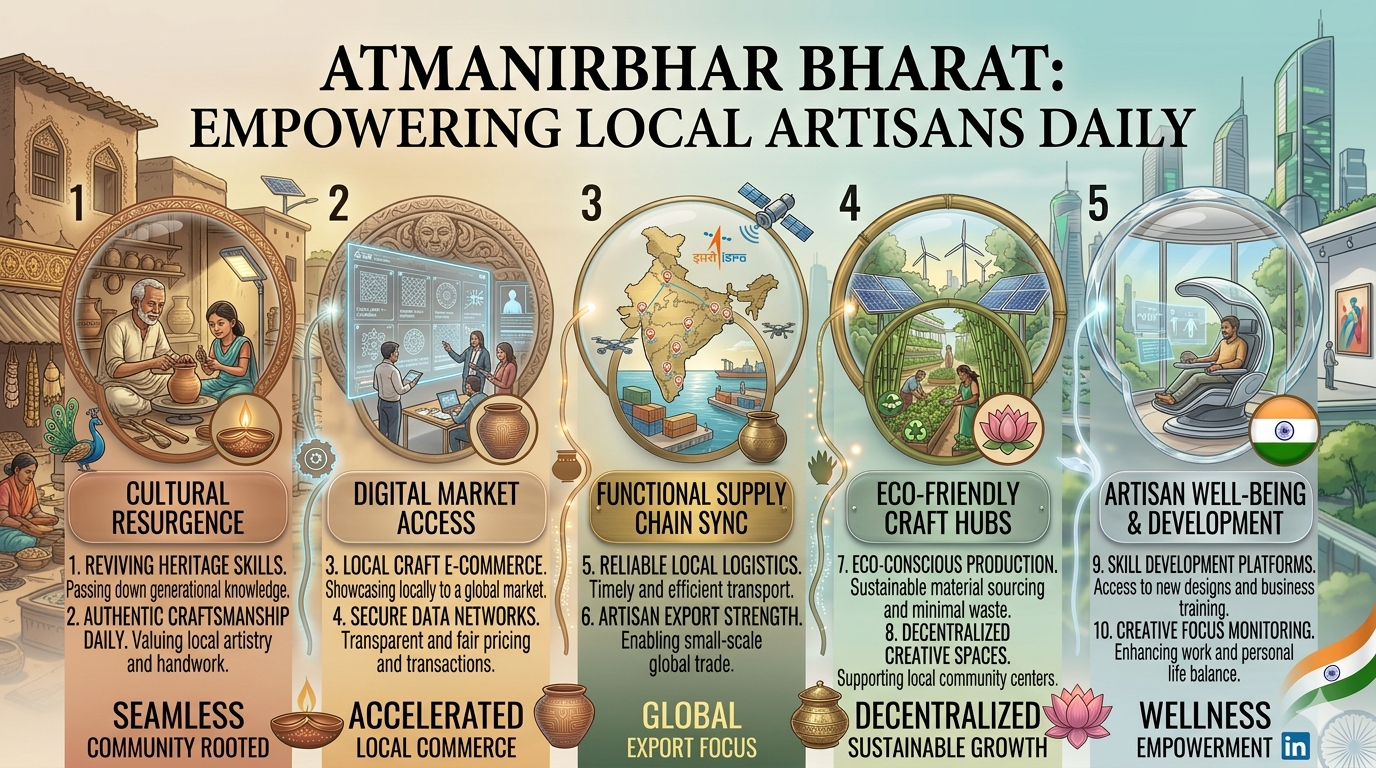
Organizations and platforms that promote artisan-made products play an important role in connecting craftsmen with modern markets. Through online platforms and social media, pottery artisans can now reach customers far beyond their local communities.
This connection between artisans and consumers ensures that the rich legacy of Indian pottery continues to thrive in the modern world.
Indian Pottery on Modern Dining Tables
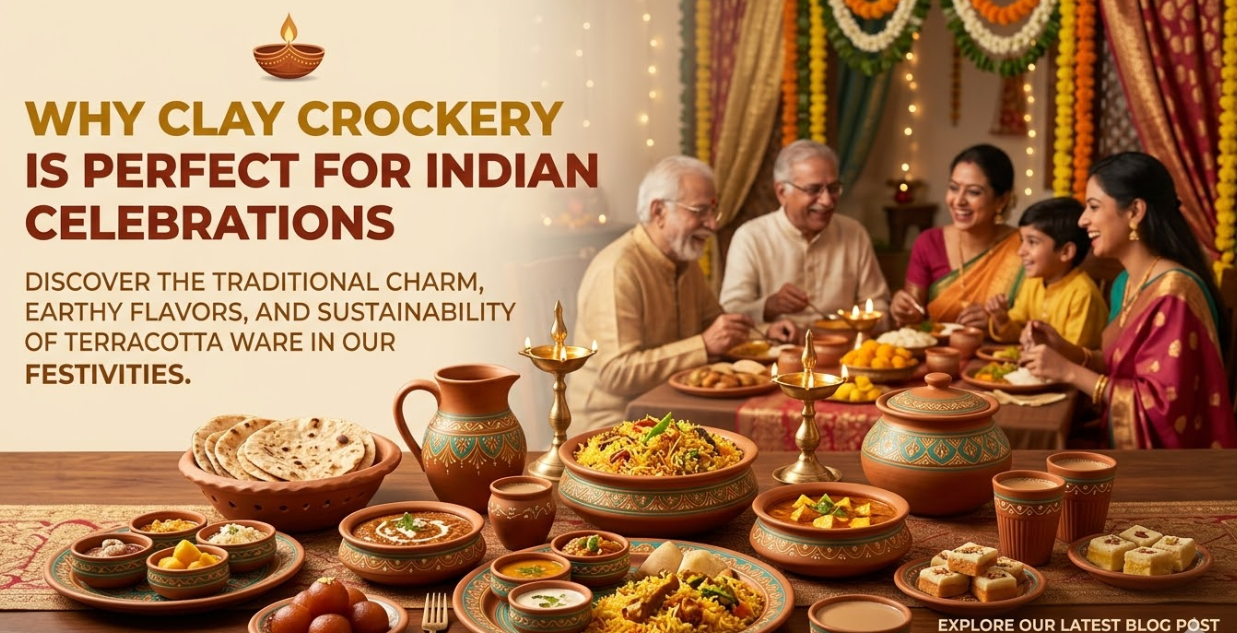
Today, pottery has moved beyond traditional kitchens and entered modern dining spaces. Handmade clay bowls, terracotta plates, and ceramic cups are being used in restaurants, cafes, and contemporary homes.
The rustic texture and natural tones of pottery create a warm and inviting dining atmosphere. Many people appreciate the uniqueness of handmade items, where each piece carries subtle variations that reflect human craftsmanship.
This growing popularity proves that Indian pottery is not just a relic of the past. It is a living tradition that continues to evolve with changing lifestyles.
Regional Styles of Indian Pottery
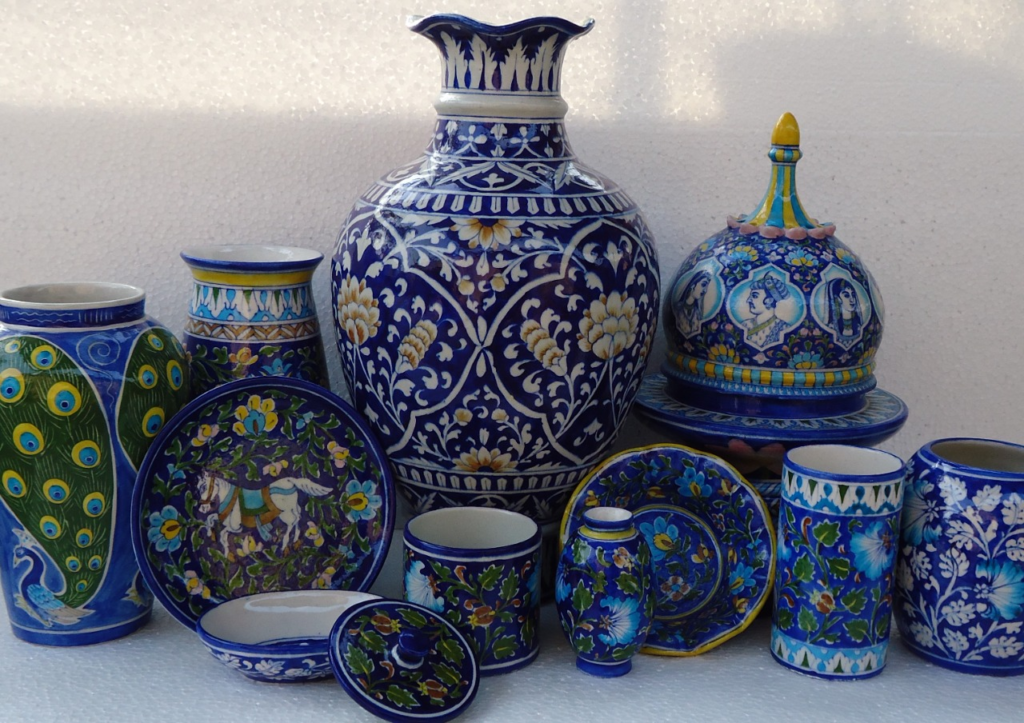
One of the most fascinating aspects of Indian pottery is its regional diversity. Different regions of India have developed their own pottery traditions based on local materials, cultural influences, and artistic styles. These regional crafts highlight the incredible creativity of Indian artisans and demonstrate how pottery evolved differently across the country.
In Rajasthan, blue pottery from Jaipur stands out for its distinctive turquoise and cobalt shades. Unlike traditional clay pottery, this craft uses quartz-based materials and delicate hand-painted designs. The vibrant patterns often feature floral motifs, birds, and geometric shapes, making each piece visually striking.
In Uttar Pradesh, Khurja pottery has become famous for its glazed ceramics and colorful dinnerware. Khurja artisans have mastered techniques that combine traditional craftsmanship with modern designs. Today, Khurja pottery products are exported across the world, representing India’s ceramic artistry on a global scale.
Meanwhile, in West Bengal, the iconic Bankura horse is a celebrated terracotta sculpture that has become a symbol of Indian folk art. These handcrafted figures are not only decorative but also deeply rooted in local culture and rituals.
These regional styles show how Indian pottery reflects the diverse cultural landscape of the country. Each region contributes a unique identity to the broader story of pottery craftsmanship.
Pottery and the Science Behind Clay
Beyond its cultural significance, pottery also has fascinating scientific benefits. Clay is a porous material, which means it allows small amounts of air and moisture to pass through. This natural property helps regulate temperature and enhances the taste of certain foods and beverages.
For example, water stored in a clay matka remains naturally cool even in hot climates. The evaporation process occurring through the porous surface keeps the water refreshing without the need for refrigeration.
Similarly, food cooked in clay pots often retains better flavor and nutritional value. The slow and even distribution of heat allows ingredients to cook gradually, preserving natural aromas and textures.
Tea served in a clay kulhad absorbs a subtle earthy fragrance that enhances the drinking experience. This is why many people believe that traditional clay cups offer a richer taste compared to glass or paper cups.
These natural advantages highlight how traditional pottery was not only environmentally friendly but also scientifically practical.
Pottery as a Cultural Symbol

Pottery has always played an important role in Indian festivals and rituals. During Diwali, millions of clay diyas are lit across the country to symbolize light overcoming darkness. These small lamps, handmade by artisans, carry deep cultural meaning and are an essential part of festive traditions.
In many rural communities, clay pots are also used in religious ceremonies and cultural celebrations. Decorative pottery items are often placed in homes as symbols of prosperity, hospitality, and artistic expression.
Over time, pottery has become more than just a functional craft—it represents identity, heritage, and tradition. Each piece reflects the story of the artisan who shaped it and the cultural environment in which it was created.
Pottery in the Age of Conscious Consumers
In recent years, modern consumers have begun to appreciate the value of handcrafted products more than ever before. As awareness about environmental sustainability grows, people are looking for alternatives to plastic and synthetic materials.
This shift has opened new opportunities for pottery artisans. Handmade clay products are now being used in eco-friendly homes, boutique cafes, and sustainable restaurants. The rustic beauty of terracotta plates and bowls also aligns perfectly with contemporary interior design trends.
Young entrepreneurs and platforms are working to bridge the gap between traditional artisans and urban consumers. By promoting handcrafted pottery online, they are helping revive an ancient craft while creating new economic opportunities for rural communities.
This renewed interest in pottery shows how traditional crafts can thrive in modern markets when supported by conscious consumers.
The Future of Indian Pottery
Looking ahead, the future of Indian pottery appears promising. As sustainability becomes a global priority, natural materials like clay are gaining renewed attention. Designers, chefs, and homeowners alike are rediscovering the beauty and functionality of earthenware.
Educational workshops, craft fairs, and artisan collaborations are also helping preserve pottery traditions while encouraging innovation. Young artists are experimenting with new shapes, colors, and techniques while still respecting traditional methods.
The journey from mitti to modern tables continues to evolve, proving that ancient crafts can remain relevant in a rapidly changing world.
When we choose pottery, we do more than buy a product—we celebrate heritage, support artisans, and reconnect with the earth itself.
The revival of pottery in India is also being driven by a new generation that values authenticity and cultural connection. In a world dominated by machine-made products, handmade pottery offers something deeply personal. Every clay plate, bowl, or cup carries slight variations in shape and texture, reminding us that it was crafted by human hands rather than produced in a factory. This uniqueness adds character to dining experiences and home décor. For many people, choosing pottery is not only about functionality but also about celebrating artistry and tradition in everyday life.
Platforms and brands that promote handcrafted products are playing a crucial role in this revival. By connecting artisans directly with modern consumers, they help preserve traditional skills while creating sustainable livelihoods for craft communities. When people choose handcrafted clay tableware for their homes, they become part of a larger movement that values heritage, sustainability, and responsible consumption. In this way, the journey of Indian pottery continues—not just as a craft of the past, but as a meaningful part of the future of modern living.
The Emotional Connection Between People and Clay
One of the most beautiful aspects of pottery is the emotional connection it creates between people and the earth. Clay is one of the most basic materials found in nature, yet when shaped by skilled hands, it becomes something meaningful and lasting. For centuries, families across India have eaten meals from clay plates, stored grains in earthen pots, and served water in traditional vessels. These everyday objects were not just tools; they were part of daily life and cultural identity.
Even today, many people feel a sense of nostalgia when they see clay utensils. The smell of fresh rain on soil, the warmth of food served in terracotta bowls, or the experience of drinking tea from a clay cup often reminds people of simpler times. These sensory experiences create a deep emotional bond that modern synthetic materials often fail to provide.
Pottery also carries stories. Every handmade bowl or plate reflects the journey of the artisan who shaped it. The slight variations in texture or color make each piece unique, reminding us that craftsmanship involves patience, creativity, and dedication. In this way, pottery connects consumers with the human effort behind everyday objects.
Pottery in Contemporary Lifestyle and Design
In recent years, pottery has found a new place in modern lifestyle and interior design. Designers and homeowners are increasingly drawn toward natural textures and earthy aesthetics. Clay-based tableware fits perfectly into this trend because it adds warmth, authenticity, and simplicity to living spaces.
Restaurants and cafés have also started incorporating handcrafted pottery into their dining presentations. Serving food in terracotta bowls or ceramic plates enhances the visual appeal of meals and creates a more memorable dining experience for customers. Many chefs believe that presentation is as important as taste, and pottery helps elevate the overall atmosphere of dining.
Beyond dining, pottery is also widely used in home décor. Decorative clay vases, wall plates, and handmade sculptures are becoming popular elements in modern interiors. These items blend traditional craftsmanship with contemporary design, creating spaces that feel both stylish and culturally rooted.
The increasing appreciation for pottery shows that traditional crafts can adapt to changing lifestyles. Instead of being limited to rural households, pottery has now become a statement of sustainability and cultural pride in urban homes.
The Role of Conscious Consumers
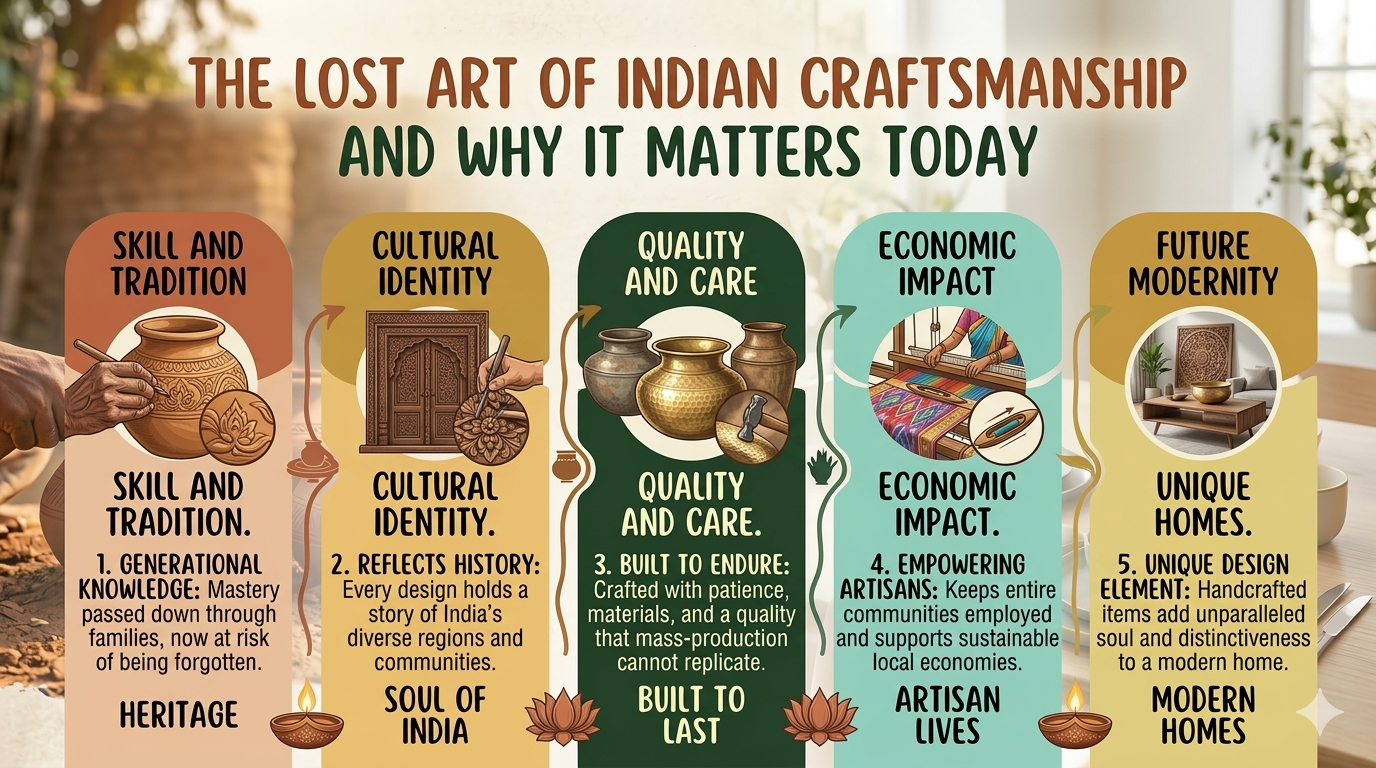
The future of traditional crafts depends largely on the choices consumers make. When people choose handcrafted products over mass-produced alternatives, they support artisans and encourage the continuation of age-old traditions. Every purchase of handmade pottery contributes to sustaining a craft that has existed for thousands of years.
Conscious consumers today are more aware of how their buying decisions affect the environment and society. They look for products that are eco-friendly, ethically produced, and culturally meaningful. Pottery meets all these criteria because it uses natural materials, requires minimal industrial processing, and supports traditional artisan communities.
By embracing pottery in daily life, consumers participate in preserving a cultural legacy while promoting sustainability. This simple act of choosing clay over plastic can have a significant impact on both the environment and the livelihoods of artisans.
In this way, the journey of Indian pottery continues to evolve—from ancient villages and traditional workshops to modern homes and global markets. What began as a humble craft shaped from earth has become a powerful symbol of heritage, sustainability, and timeless artistry.
Conclusion: A Craft That Connects Past and Future
The journey of Indian pottery from ancient civilizations to modern dining tables is a remarkable story of resilience and creativity. What began as a simple craft using earth and water has become a symbol of cultural heritage and sustainable living.
As modern consumers rediscover the beauty of handmade products, pottery artisans gain new opportunities to share their work with the world. By choosing clay-based tableware and supporting traditional crafts, people contribute to preserving a legacy that has existed for thousands of years.
From the soil beneath our feet to the plates on our tables, Indian pottery reminds us that the most meaningful creations often come from the simplest elements of nature.

Leave A Comment