Why Sustainable Crockery Is the Future of Modern India
India has always shared a deep connection with nature. For centuries, daily life revolved around materials that came directly from the earth—clay pots for water, metal plates for meals, and wooden utensils for cooking. These traditions were not just cultural choices but practical and sustainable ones. Today, as environmental concerns grow, many people are rediscovering the importance of sustainable crockery in shaping a healthier and more responsible lifestyle.
Modern India is witnessing a shift in consumer behavior. People are becoming more aware of the environmental impact of their choices. Disposable plastics and mass-produced tableware have dominated households for decades, but their ecological consequences are now impossible to ignore. This awareness has opened the door for sustainable crockery to return as a meaningful alternative.
The Growing Need for Sustainable Living
Rapid urbanization and industrial production have significantly increased waste generation across the world. India, with its growing population and expanding consumer market, faces similar challenges. Single-use plastics, synthetic materials, and disposable utensils contribute heavily to environmental pollution.
In response, individuals and communities are beginning to rethink their everyday habits. One of the simplest ways to adopt eco-friendly practices is through the use of sustainable crockery. Unlike plastic or synthetic alternatives, these products are typically made from natural materials such as clay, ceramic, bamboo, or metal.
These materials not only reduce environmental damage but also create a healthier dining experience. Sustainable crockery represents a return to mindful consumption—choosing quality and longevity over convenience and waste.
Traditional Wisdom Meets Modern Awareness
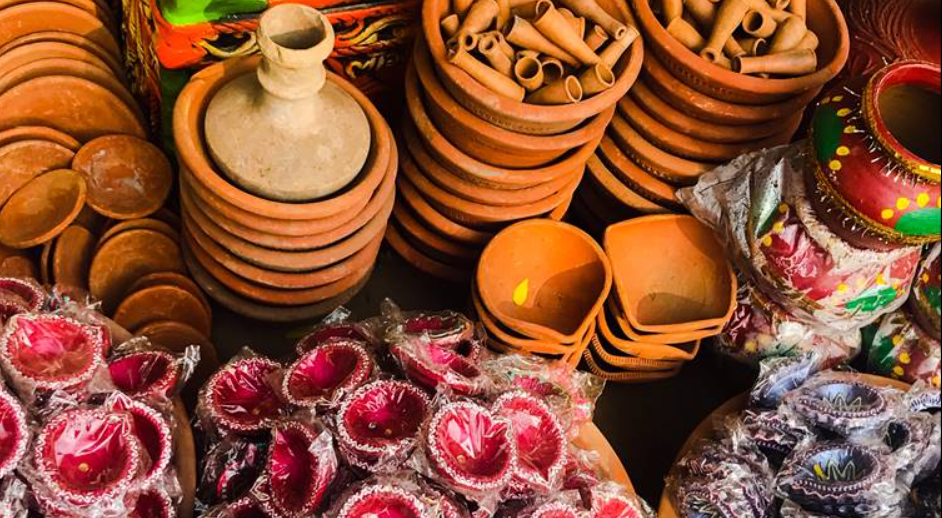
India’s heritage already provides the blueprint for sustainable living. Long before sustainability became a global movement, Indian households practiced it naturally. Clay cups known as kulhads were used for tea, brass plates were common in homes, and terracotta vessels kept water cool during hot summers.
These practices demonstrate how traditional lifestyles inherently supported the idea of <u>sustainable crockery</u>. Modern consumers are now rediscovering these traditions, realizing that the solutions to many environmental problems already exist within cultural heritage.
The revival of traditional dining practices is not simply nostalgic. It is a conscious effort to align modern lifestyles with environmentally responsible habits.
Health Benefits of Natural Materials
Another reason sustainable crockery is gaining popularity in modern India is its health benefits. Materials such as clay, ceramic, and metal are safer alternatives compared to certain synthetic products that may release harmful chemicals over time.
For example, clay cookware is known to retain natural moisture and enhance the flavor of food. Copper and brass utensils have historically been valued for their antimicrobial properties. These qualities make sustainable crockery not only environmentally friendly but also beneficial for everyday health.
The renewed interest in these materials reflects a growing awareness among consumers who prioritize wellness alongside sustainability.
Empowering Indian Artisans
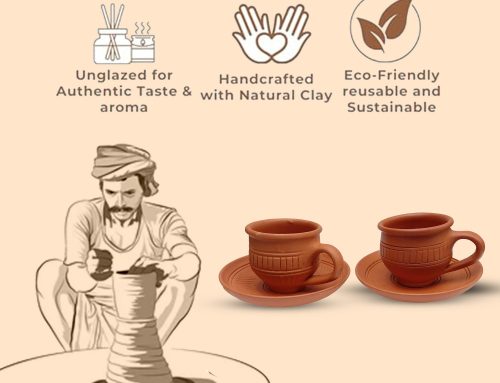
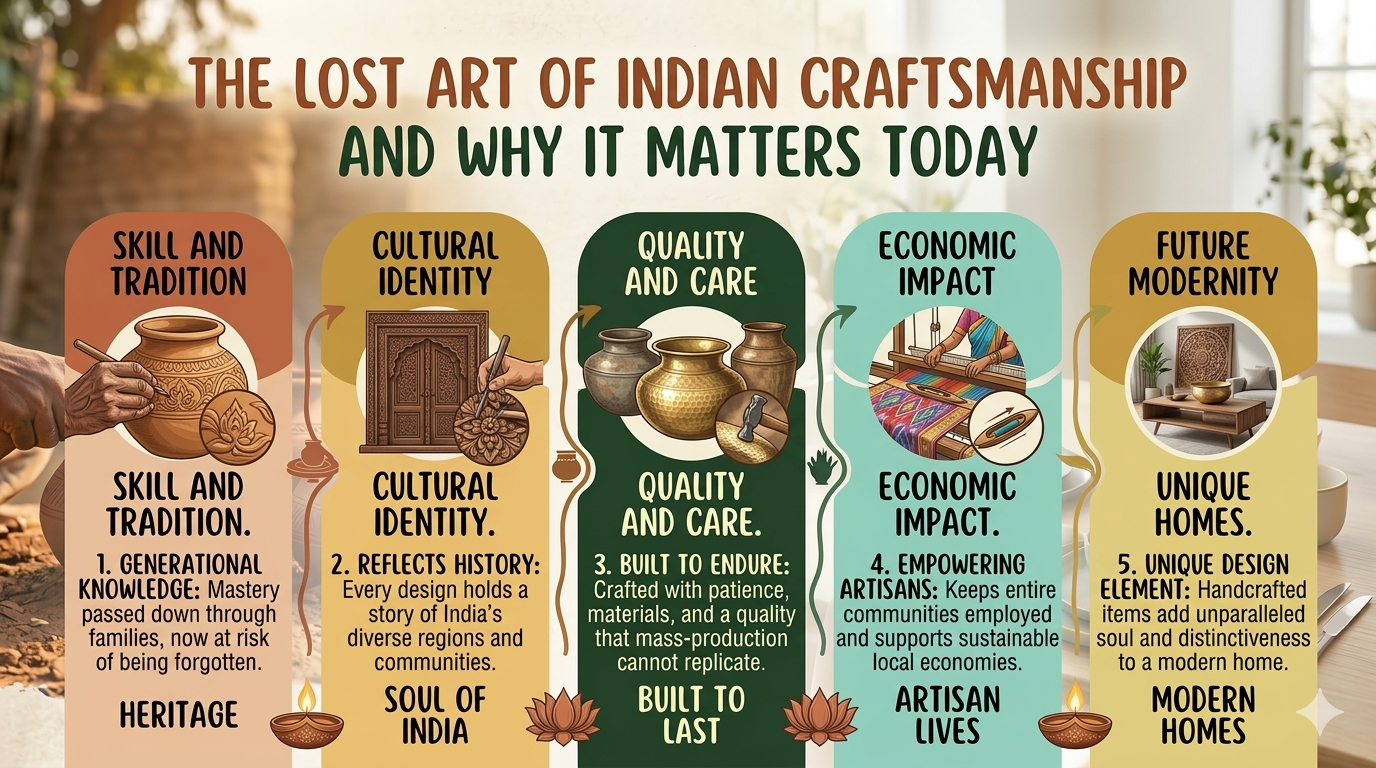
Behind every handcrafted plate or bowl is a skilled artisan who has spent years mastering their craft. The rise of sustainable crockery directly supports these craftsmen and their communities.
India is home to thousands of pottery clusters and traditional craft villages where artisans continue to practice age-old techniques. By choosing handmade products, consumers help preserve these traditions while providing artisans with stable livelihoods.
The journey of sustainable crockery is therefore not only about environmental responsibility but also about social empowerment. Each purchase contributes to sustaining local economies and protecting cultural heritage.
The Cultural Roots of Sustainable Crockery in India
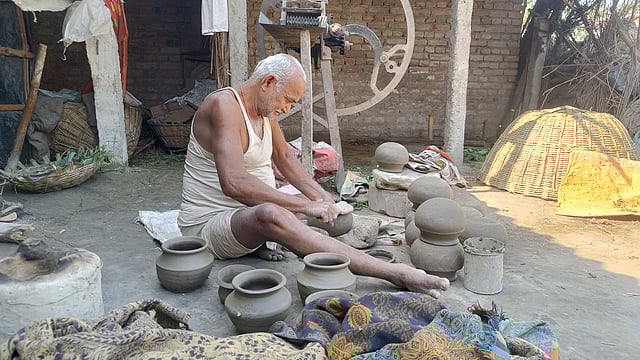
Long before sustainability became a global conversation, India had already embedded it into everyday life. For centuries, Indian households relied on natural materials such as clay, terracotta, stone, brass, and copper for cooking and serving food. These materials were not only eco-friendly but also deeply connected to India’s cultural and artisanal heritage.
Traditional crockery made by village potters was biodegradable, reusable, and completely natural. A clay cup used for tea or a terracotta bowl used for serving food would eventually return to the soil without harming the environment. In many ways, this ancient system created a perfect balance between human consumption and nature.
However, the rapid rise of plastic and industrially manufactured products disrupted this balance. Cheap plastic crockery and disposable materials began replacing traditional earthenware in many homes and restaurants. While these products offered convenience, they also created massive environmental problems that the world is struggling with today.
This is why the movement toward sustainable crockery is not just a trend. It is a return to India’s original way of living, where everyday objects were created with respect for nature and craftsmanship.
The Environmental Cost of Disposable Culture
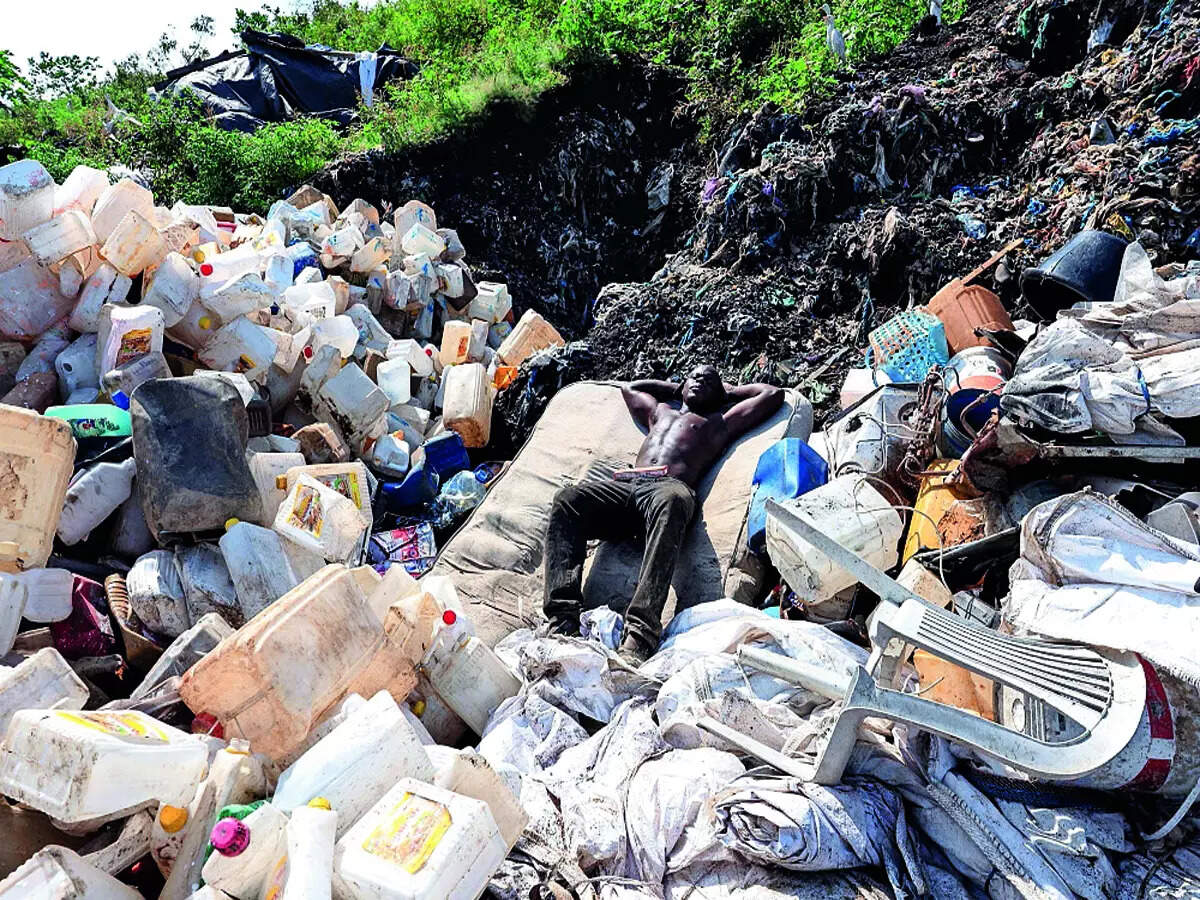
In modern India, convenience has often come at the cost of sustainability. Single-use plastic plates, cups, and cutlery have become common at events, restaurants, and even households. While they appear inexpensive and easy to use, their environmental impact is enormous.
Plastic crockery can take hundreds of years to decompose, and during that time it continues to pollute land, water, and ecosystems. Large amounts of plastic waste end up in rivers and oceans, harming marine life and contaminating natural resources.
India alone generates millions of tons of plastic waste every year, a significant portion of which comes from disposable food packaging and utensils. Festivals, weddings, and large gatherings often contribute heavily to this waste because of the extensive use of single-use products.
This growing problem has forced both governments and consumers to rethink their choices. Increasing awareness about environmental sustainability has led many people to seek alternatives that are eco-friendly and responsible. Sustainable crockery made from natural materials like clay, bamboo, and biodegradable composites offers a promising solution.
By choosing sustainable crockery, individuals and businesses can significantly reduce their environmental footprint while still enjoying beautifully crafted utensils.
Supporting Local Artisans and Reviving Traditional Crafts
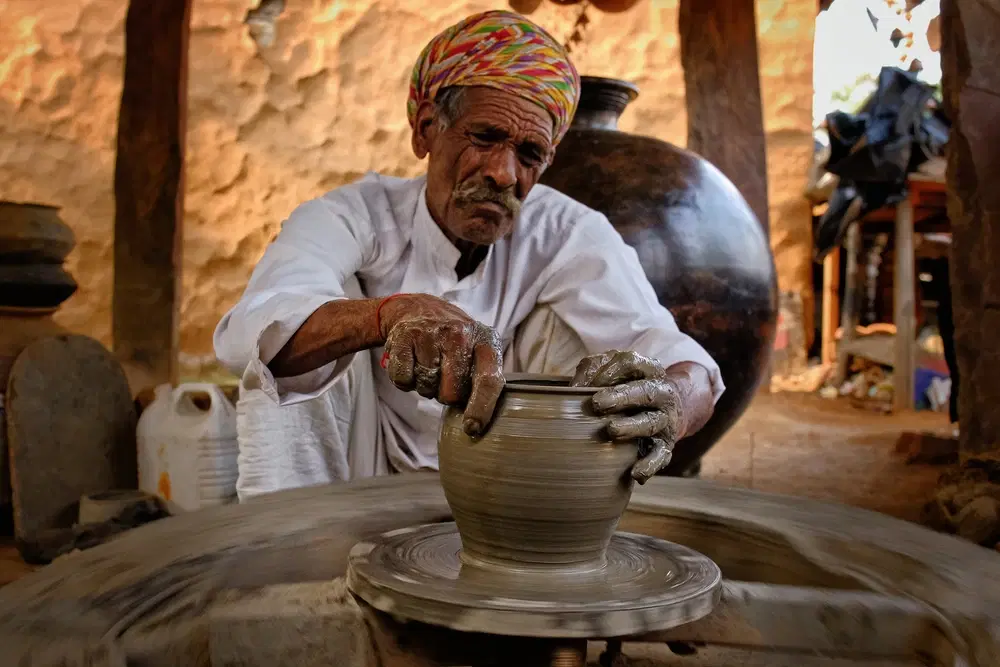
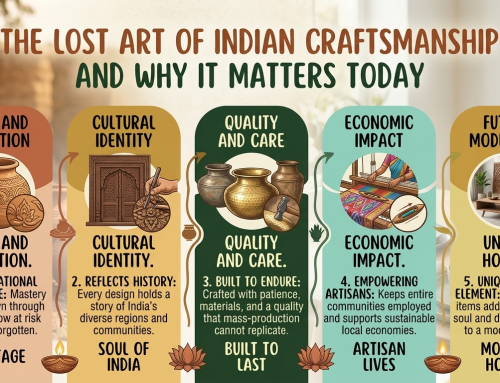
Sustainability is not only about protecting the environment; it is also about supporting communities and preserving traditions. Across India, thousands of artisans depend on pottery and handcrafted crockery for their livelihood. These crafts have been passed down through generations, carrying with them centuries of knowledge and cultural identity.
Unfortunately, the rise of factory-made plastic and ceramic products has significantly reduced the demand for traditional earthenware. Many artisans have struggled to compete with mass-produced alternatives that are cheaper but lack authenticity and environmental responsibility.
This is where platforms like CrockeryKart play a transformative role. By connecting artisans directly with modern consumers, the brand creates a bridge between traditional craftsmanship and contemporary markets. Instead of letting these skills disappear, CrockeryKart helps artisans showcase their work to a wider audience.
Every handcrafted bowl, plate, or cup represents hours of skilled labor and artistic dedication. When consumers choose these products, they are not only purchasing crockery; they are also supporting families, preserving cultural heritage, and empowering rural communities.
In this way, sustainable crockery becomes part of a larger movement toward inclusive economic growth and cultural preservation.
Health Benefits of Natural Crockery

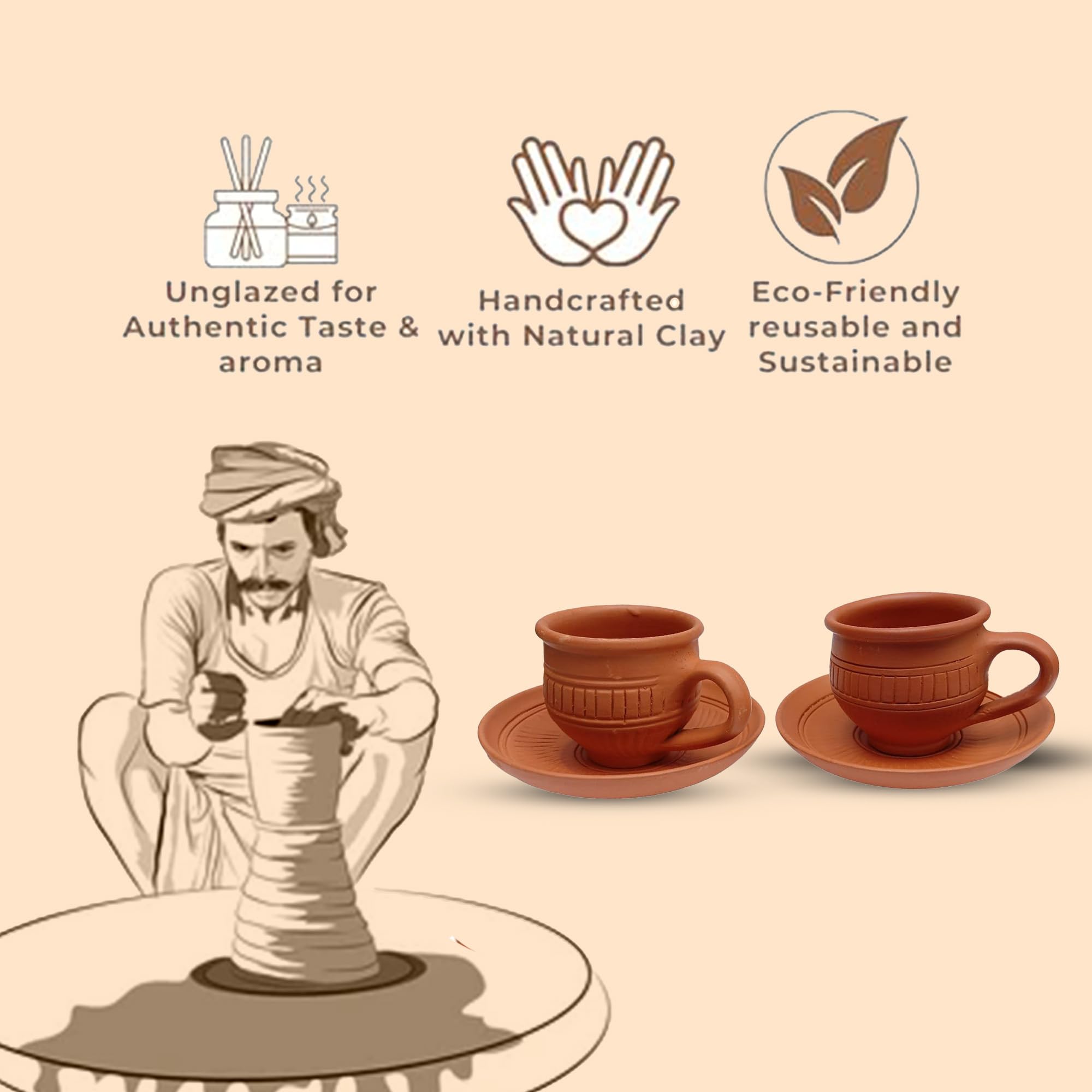
Another often overlooked advantage of sustainable crockery is its positive impact on health. Natural materials such as clay and terracotta are non-toxic and free from harmful chemicals commonly found in some synthetic products.
Clay utensils are naturally porous, which allows them to retain moisture and enhance the flavor of food. This is why beverages like lassi or thandai served in clay cups often taste fresher and richer. Cooking or serving food in natural materials can also help maintain nutritional quality.
Traditional Indian kitchens understood these benefits long before modern science began studying them. Earthen pots were widely used for cooking lentils, rice, and curries because they distributed heat evenly and preserved natural flavors.
In contrast, certain low-quality plastic or chemically treated materials may release toxins when exposed to heat or acidic foods. This makes natural crockery not only environmentally friendly but also a healthier option for everyday use.
As awareness about health and sustainability grows, more consumers are rediscovering the value of traditional materials in their kitchens and dining spaces.
Sustainable Crockery and the Vision of Atmanirbhar Bharat
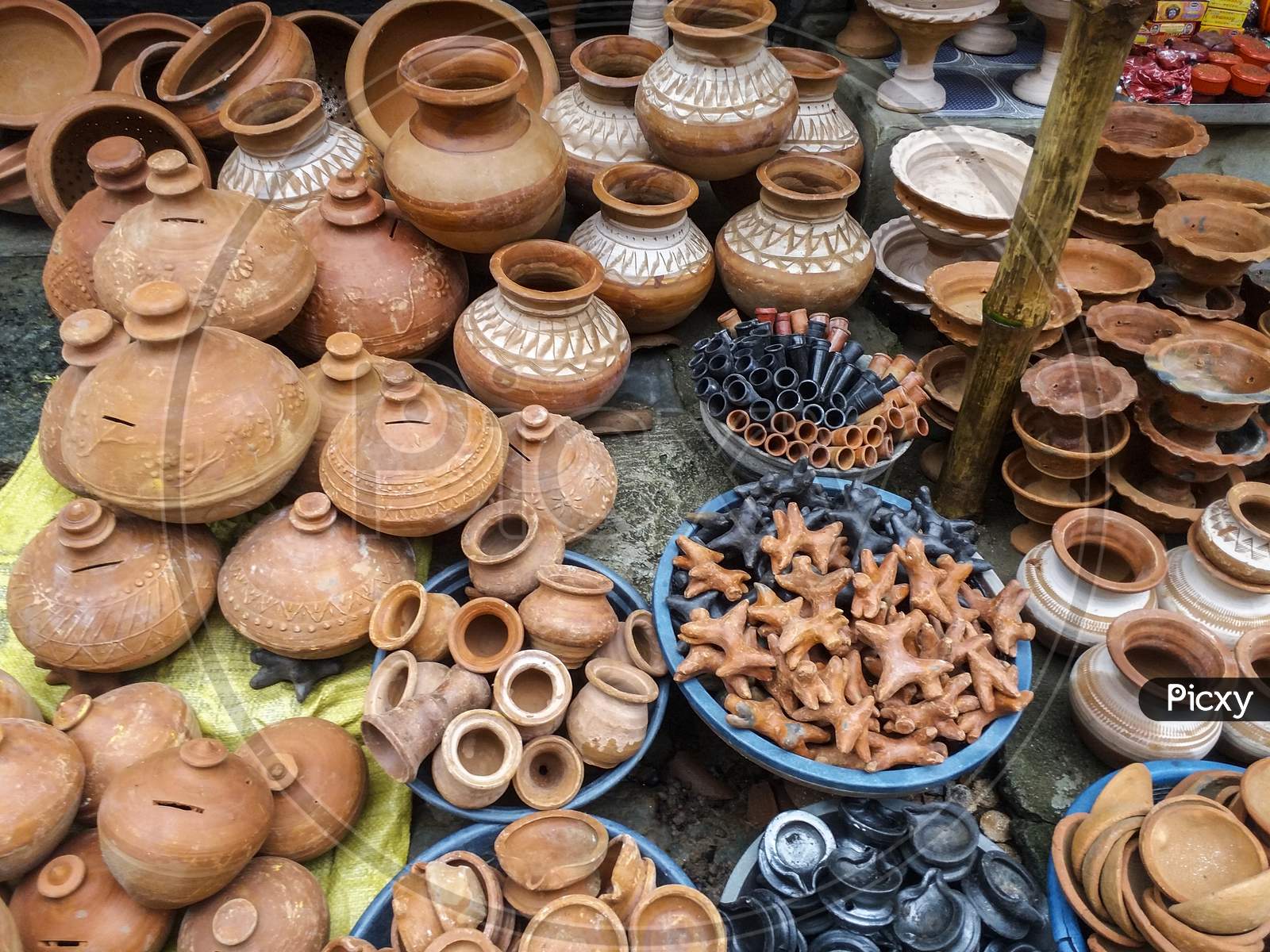
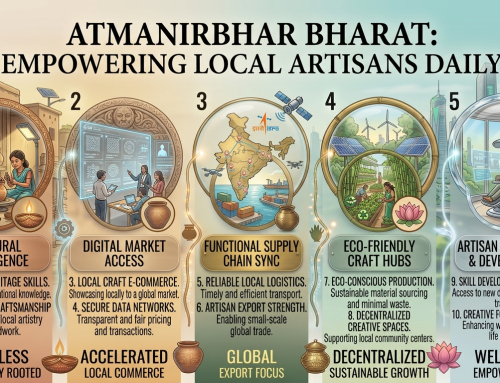
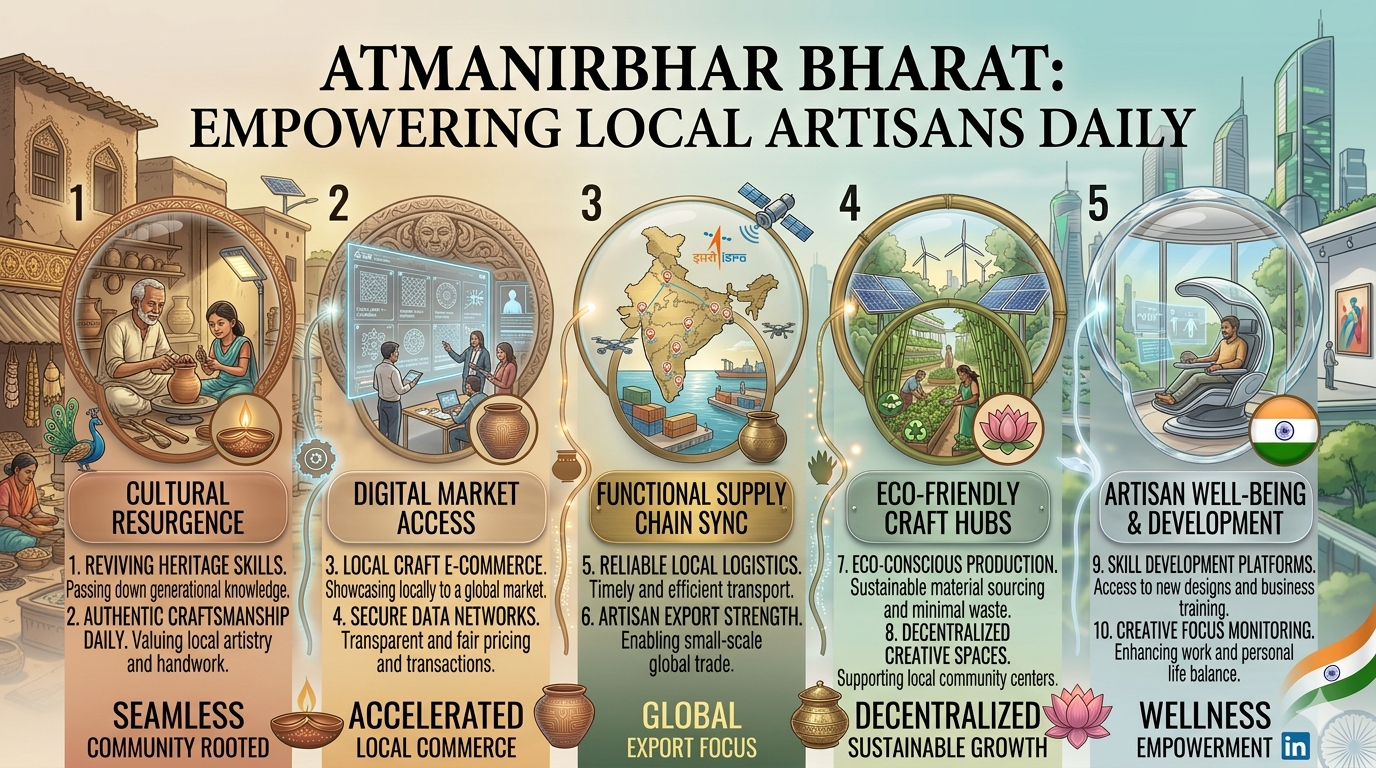
The movement toward sustainable crockery also aligns closely with the national vision of Atmanirbhar Bharat (Self-Reliant India). This vision encourages the promotion of locally made products, support for small businesses, and strengthening of domestic industries.
Handcrafted crockery represents exactly this spirit. It is locally produced, environmentally responsible, and rooted in India’s traditional knowledge systems. By choosing such products, consumers actively contribute to strengthening local economies and reducing dependence on imported mass-produced goods.
Brands like CrockeryKart are helping transform this vision into reality. By bringing artisan-made crockery to digital platforms, they enable traditional craftsmen to reach customers across the country and even internationally. This not only increases their income but also elevates Indian craftsmanship on a global stage.
In many ways, sustainable crockery is more than a product category. It represents a new way of thinking about consumption — one that values quality, authenticity, and responsibility.
How Consumers Can Make Sustainable Choices
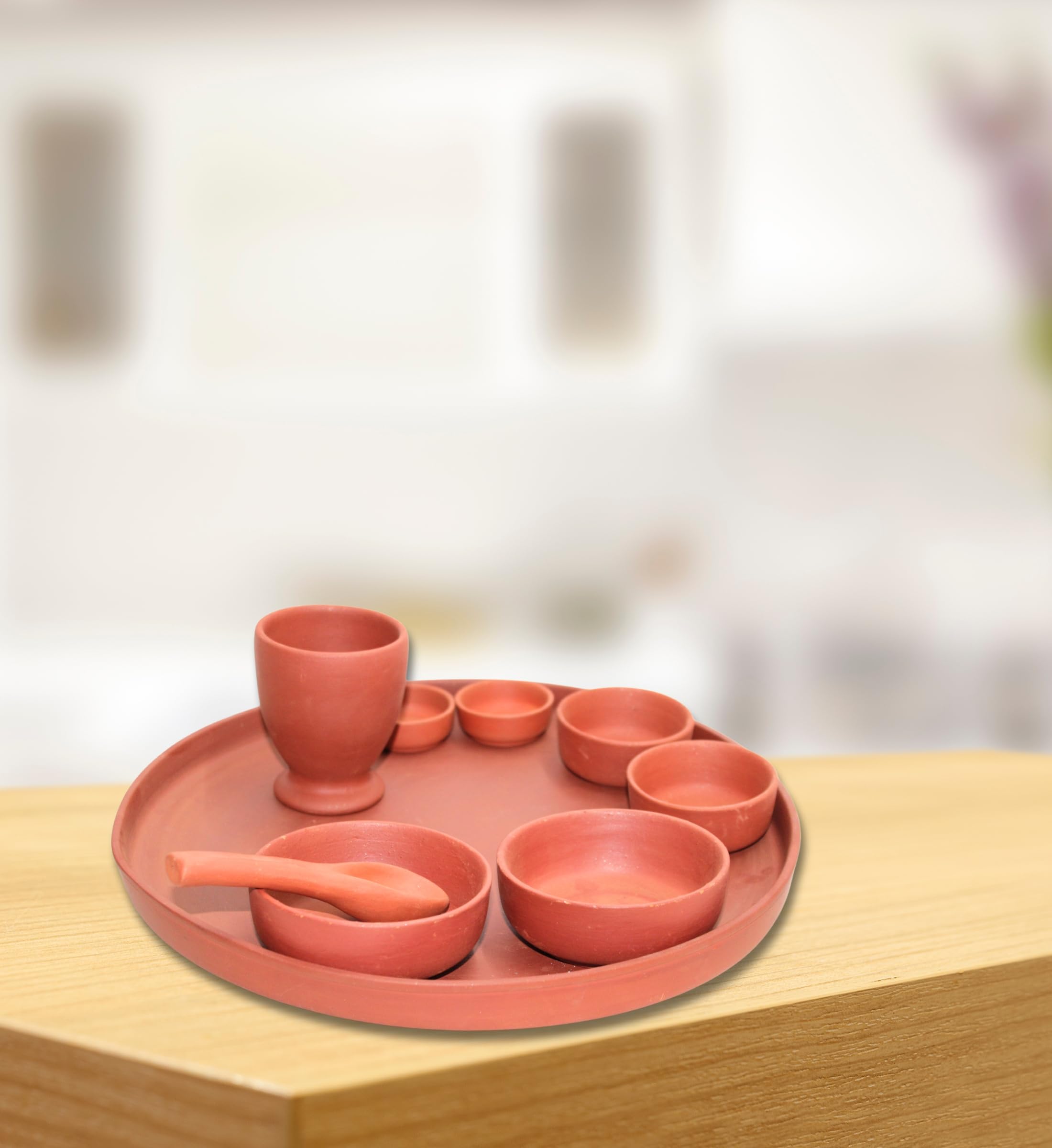
The transition toward sustainable living does not require drastic changes. Even small choices can create a significant impact over time. One of the simplest ways consumers can contribute is by choosing eco-friendly crockery for their homes and events.
For example, replacing plastic cups with clay or bamboo alternatives can immediately reduce waste. Hosting gatherings using reusable or biodegradable tableware also sets a positive example for guests and communities.
Restaurants and cafes are increasingly adopting sustainable crockery as part of their brand identity. Many customers appreciate businesses that prioritize environmental responsibility and ethical sourcing.
Consumers can also support sustainability by purchasing products from brands that work directly with artisans and promote fair trade practices. This ensures that the people who create these products receive fair compensation and recognition for their craft.
When thousands of individuals make conscious choices in their daily lives, the collective impact can be powerful.
The Future of Sustainable Crockery in India
The future of sustainable crockery in India looks promising. Growing environmental awareness, government initiatives against single-use plastics, and increasing appreciation for handmade products are all driving this shift.
Young consumers, in particular, are embracing sustainability as part of their lifestyle. They value products that tell a story, support communities, and reduce environmental harm. Handmade crockery fits perfectly into this mindset because it combines tradition, aesthetics, and responsibility.
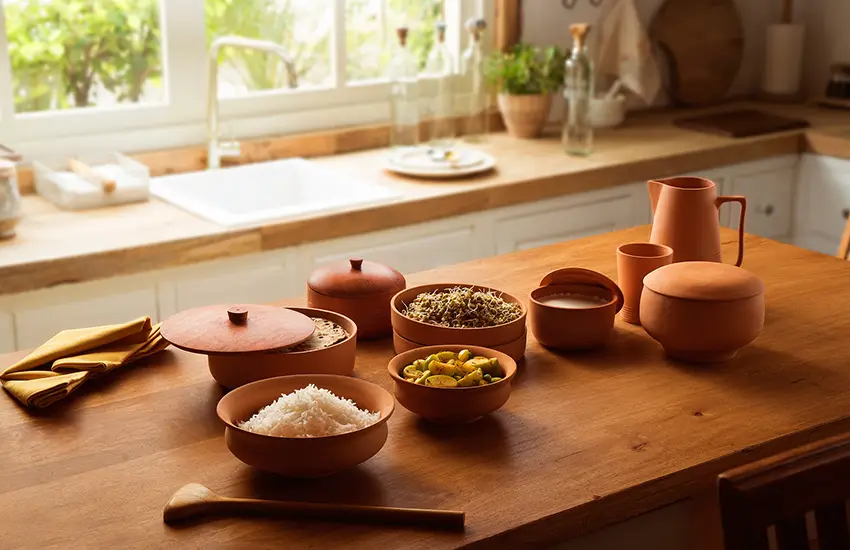
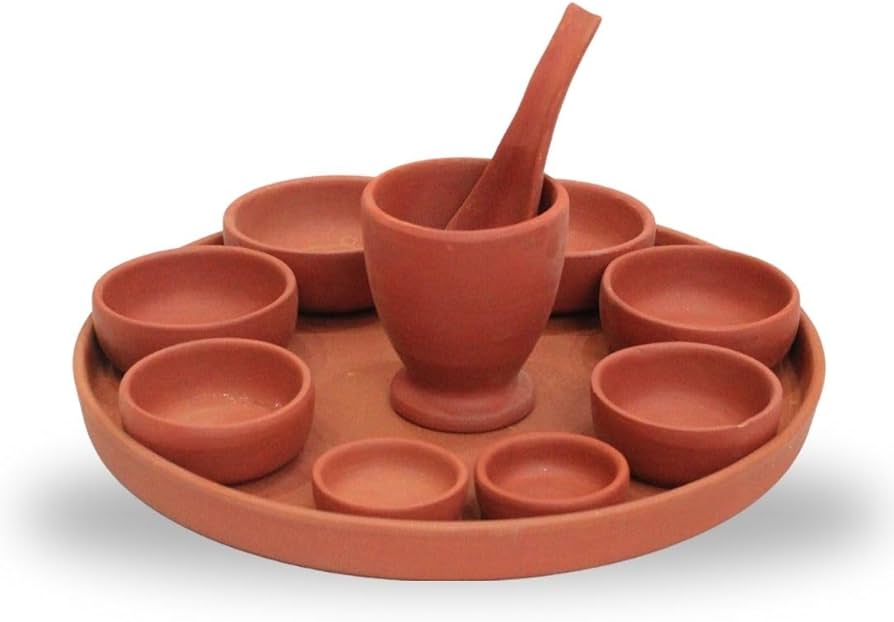
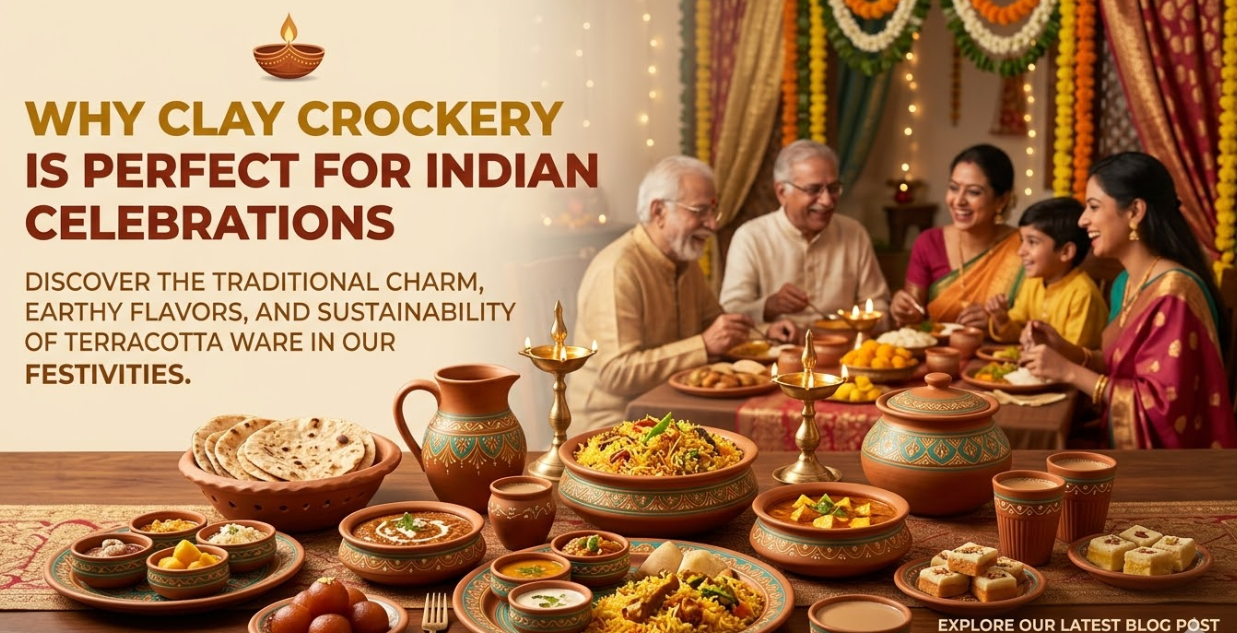
Design innovation is also transforming traditional pottery into contemporary lifestyle products. Modern terracotta dinnerware sets, handcrafted mugs, and designer clay bowls are now being used in urban homes, boutique cafes, and luxury restaurants.
This fusion of tradition and modern design is helping Indian artisans remain relevant in a rapidly evolving market. With platforms like CrockeryKart promoting these products, sustainable crockery has the potential to become a mainstream choice rather than a niche alternative.
Reducing Environmental Impact
One of the most significant advantages of sustainable crockery lies in its minimal environmental footprint. Products made from natural materials decompose easily and do not leave harmful residues in the ecosystem.
Plastic tableware, on the other hand, can take hundreds of years to break down. During this time, it releases microplastics that contaminate soil and water sources. Transitioning to eco-friendly alternatives is therefore an important step toward reducing pollution.
Choosing sustainable crockery allows individuals to make a tangible contribution to environmental protection without drastically altering their lifestyle.
The Role of Conscious Consumers
The future of sustainability depends largely on consumer awareness. Modern buyers are increasingly interested in knowing where products come from, how they are made, and what impact they have on the environment.
This shift has encouraged brands to adopt ethical production practices and promote transparency. As a result, sustainable crockery has become more visible in markets, online platforms, and lifestyle stores.
When consumers choose environmentally responsible products, they send a clear message to industries: sustainability matters. This collective demand can transform entire supply chains and encourage more businesses to adopt eco-friendly methods.
The Influence of Hospitality and Lifestyle Trends
Restaurants, cafes, and boutique hotels are also playing a role in popularizing sustainable crockery. Many hospitality businesses now prefer handcrafted tableware to enhance the dining experience while reducing environmental impact.
Serving food in handmade ceramic bowls or terracotta plates adds authenticity and aesthetic appeal. Guests often appreciate the tactile feel and rustic charm of such items, making dining more memorable.
These lifestyle trends further strengthen the relevance of sustainable crockery in modern India.
A Step Toward a Circular Economy
Sustainability is closely connected with the concept of a circular economy—an economic model where resources are reused, recycled, and regenerated instead of discarded.
Sustainable crockery fits perfectly within this system. Products made from clay, metal, or ceramic are durable and repairable, ensuring long-term usability. Even when they eventually reach the end of their lifecycle, many of these materials can return safely to the environment.
This circular approach helps reduce waste and promotes responsible consumption patterns across society.
The Future of Dining in India
India’s journey toward sustainability is still evolving, but the direction is clear. Consumers, entrepreneurs, and policymakers are increasingly focused on eco-friendly solutions that balance economic growth with environmental protection.
Within this movement, sustainable crockery represents a simple yet powerful shift in everyday living. By replacing disposable items with durable and natural alternatives, households can significantly reduce their ecological footprint.
The future dining table in India will likely reflect this change—featuring materials that are both beautiful and environmentally responsible.
Embracing a Sustainable Lifestyle Through Everyday Choices
The shift toward sustainable crockery is not merely about replacing one product with another; it represents a broader change in mindset. Modern India is gradually moving toward conscious consumption, where people consider the environmental and social impact of what they buy and use every day. Crockery, being a daily essential, becomes an important starting point for this transformation.
When families choose eco-friendly plates, bowls, and cups made from natural materials like clay or terracotta, they actively participate in reducing waste and preserving the environment. These small choices accumulate into meaningful change over time. A single household switching to sustainable crockery may seem like a small step, but when thousands of households make similar decisions, the collective impact becomes powerful.
Brands like CrockeryKart are helping accelerate this transition by bringing traditional craftsmanship into modern homes. By combining design, functionality, and sustainability, such initiatives make it easier for consumers to adopt environmentally responsible products without compromising on style or convenience.
As India moves forward toward a greener and more self-reliant future, sustainable crockery will continue to play a vital role. It reminds us that sometimes the most powerful innovations are those that reconnect us with our roots while guiding us toward a better tomorrow. 🌿
Ending Note
The story of sustainability in India is not new; it is deeply rooted in tradition. What is changing today is the awareness that encourages people to revive and adapt these practices for modern lifestyles.
Choosing crockery made from natural and responsibly sourced materials is a small step with meaningful impact. It protects the environment, supports artisans, and reconnects society with its cultural roots.
As India continues to grow and modernize, embracing sustainable crockery can help ensure that progress does not come at the cost of the planet. Instead, it can lead the way toward a future where innovation and tradition work together to create a healthier and more balanced world.

Leave A Comment