
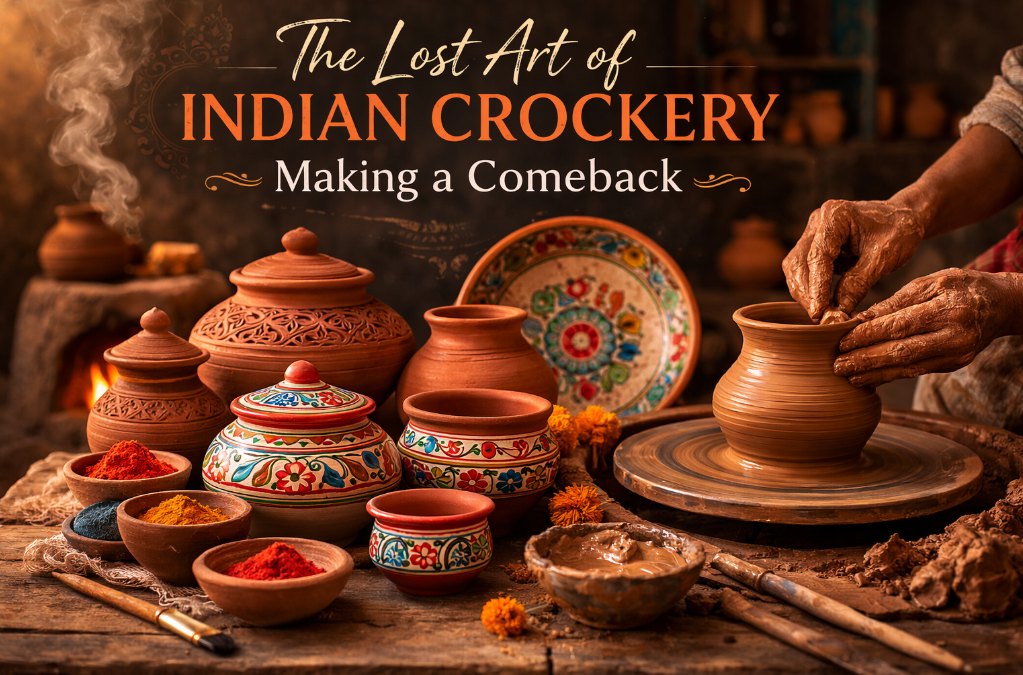
There was a time when crockery was not just a household necessity but a symbol of identity, craftsmanship, and cultural pride. Across villages and royal courts, crockery reflected regional art, tradition, and sustainable living practices. Today, as modern homes fill with factory-made imports, the legacy of crockery feels distant. Yet beneath the surface, the revival of Indian crockery is quietly reshaping dining tables and reconnecting India with its roots.
Nearly every region of India once contributed to the richness of crockery traditions. In villages, potters shaped clay into plates and bowls, firing them carefully in kilns. In royal cities, artisans crafted decorative pieces of crockery adorned with intricate hand-painted designs. From festive feasts to everyday meals, Indian crockery carried emotional value that went far beyond functionality.
Historically, Indian crockery was crafted using natural resources—clay, brass, copper, and ceramic materials. These materials were not only durable but also eco-friendly. Long before sustainability became a global trend, Indian crockery embodied environmentally responsible living. Families passed down brass thalis and ceramic bowls through generations, making Indian crockery a symbol of continuity and heritage.
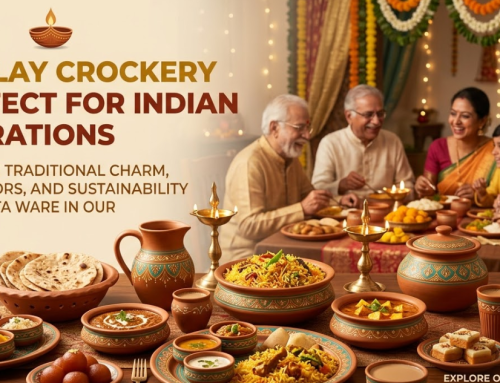
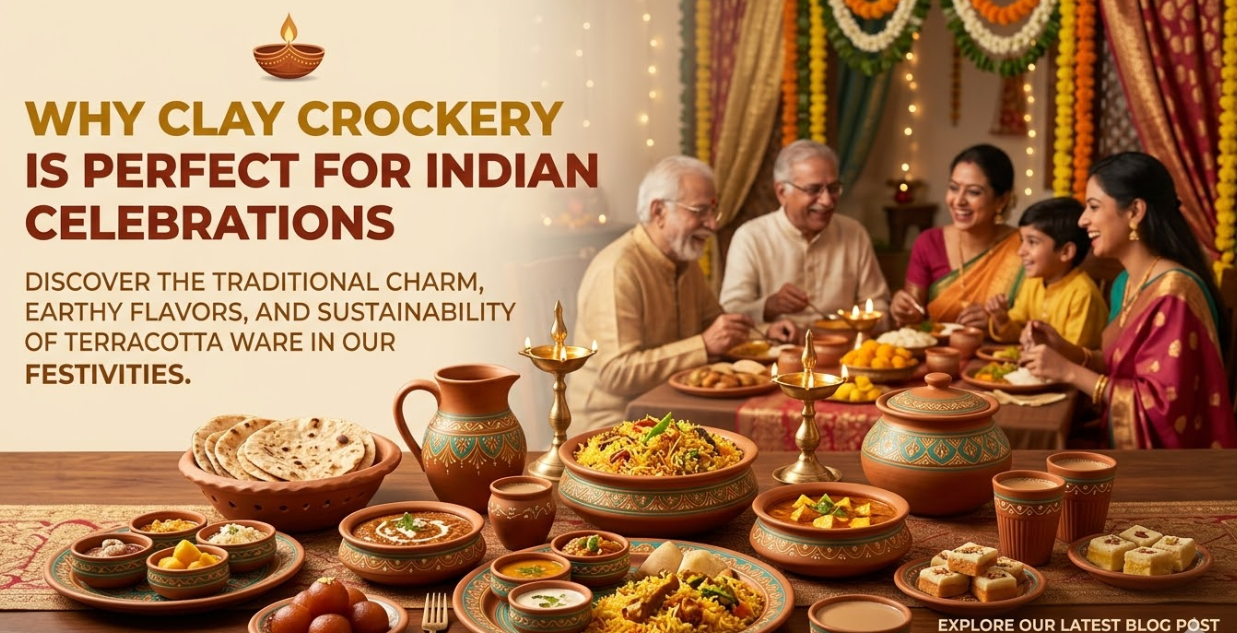
The cultural importance of Indian crockery extended into rituals and celebrations. Weddings, festivals, and religious ceremonies relied heavily on traditional Indian crockery to maintain authenticity. The gleam of brass plates during Diwali or the earthy scent of kulhads during monsoon chai created sensory memories deeply embedded in Indian households. Such experiences cannot be replicated by mass-produced alternatives replacing Indian crockery today.
However, industrialization changed the landscape for Indian crockery. Machine-made imports flooded markets at lower prices, pushing handmade Indian crockery into the background. Consumers gradually began associating foreign dinnerware with sophistication, overlooking the artistry of Indian crockery artisans. As urban lifestyles evolved, convenience replaced craftsmanship, and the demand for traditional Indian crockery declined.
Globalization further intensified this shift. Western-style dining influenced consumer preferences, leading many families to replace Indian crockery with uniform, factory-finished sets. The emotional warmth once associated with Indian crockery was overshadowed by modern minimalism. As demand decreased, countless artisans abandoned the craft of Indian crockery production, seeking alternative livelihoods.
The decline of crockery affected not just artisans but entire communities. Craft clusters that once thrived on producing Indian crockery saw reduced incomes and fading generational skills. Younger generations hesitated to continue family traditions of Indian crockery craftsmanship due to uncertain financial prospects. Over time, this led to the loss of intricate techniques that defined authentic Indian crockery.
Yet, in recent years, sustainability movements have sparked renewed interest in crockery. As global consumers prioritize eco-friendly alternatives, crockery stands out for its biodegradable materials and low carbon footprint. Clay cups decompose naturally, and brass utensils last decades without harming the environment. This rediscovery positions Indian crockery as a forward-looking solution rooted in tradition.
Beyond sustainability, crockery enhances culinary experiences. Clay and ceramic materials used in crockery subtly influence flavor and temperature retention. Tea served in a kulhad carries a distinct earthy aroma, elevating the sensory appeal. This experiential dimension distinguishes crockery from industrial alternatives lacking character.
The emotional connection to crockery cannot be ignored. Many Indians recall childhood meals served in traditional plates and bowls. The tactile feel of handcrafted crockery evokes nostalgia and belonging. Unlike standardized imports, each piece of Indian crockery carries subtle variations that reflect human touch and individuality.
Modern designers are now reimagining crockery for contemporary homes. By blending minimal aesthetics with traditional motifs, brands are giving Indian crockery a modern appeal. Neutral tones, sleek forms, and refined finishes ensure that Indian crockery fits seamlessly into urban interiors while preserving cultural essence.
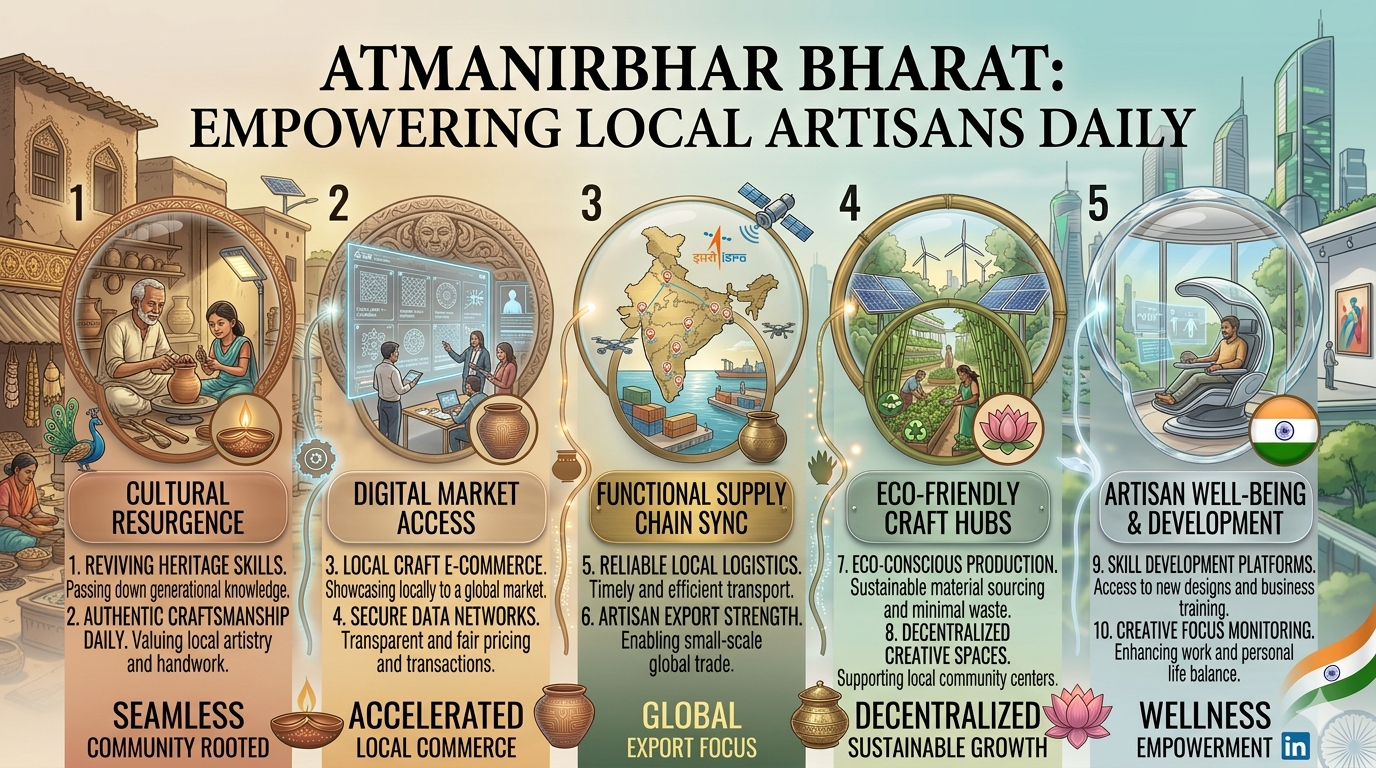
Digital platforms are also playing a critical role in reviving crockery. E-commerce enables artisans to showcase their creations beyond local markets. Through storytelling and online visibility, crockery gains recognition among conscious consumers who value authenticity and sustainability. This digital transformation helps artisans receive fairer compensation for Indian crockery craftsmanship.
Economically, investing in crockery strengthens local supply chains and reduces dependence on imports. Each purchase of crockery supports rural employment and skill preservation. In a broader sense, promoting crockery aligns with national goals of economic self-reliance and cultural revival.
Globally, handmade products are gaining appreciation as luxury items. In international markets, authenticity is valued over uniformity. Indian crockery, with its unique textures and regional artistry, fits this demand perfectly. Exporting crockery to global markets can enhance India’s cultural economy and showcase craftsmanship worldwide.
Despite its decline, crockery never truly disappeared. In many rural homes, artisans continue shaping clay and glazing ceramics with dedication. What crockery needs today is recognition, innovation, and consistent consumer support. By choosing Indian crockery consciously, buyers contribute to preserving centuries-old traditions.
Educational initiatives can further support crockery revival. Workshops, exhibitions, and school programs highlighting crockery techniques can inspire younger generations. When children understand the heritage behind crockery, they develop pride in supporting it.
The hospitality industry also holds potential for promoting crockery. Restaurants and cafés using handcrafted tableware create immersive cultural experiences. Tourists often seek authenticity, and serving meals in crockery enhances storytelling and brand differentiation.
Urban consumers are increasingly seeking mindful lifestyles. Choosing crockery reflects a shift toward thoughtful purchasing decisions. Rather than buying disposable or mass-produced items, consumers embracing crockery invest in longevity and cultural continuity.
Ultimately, the comeback of crockery depends on collective awareness. Governments, entrepreneurs, designers, and consumers must collaborate to uplift this sector. Campaigns highlighting the heritage and sustainability of crockery can reshape public perception and demand.
The revival of crockery is not about nostalgia alone. It represents resilience, innovation, and pride. By restoring crockery to modern tables, India reconnects with its craftsmanship legacy while embracing contemporary needs.
Today, the choice lies with us. Each time we select dinnerware, we decide whether to prioritize convenience or culture. Supporting Indian crockery means empowering artisans, sustaining the environment, and preserving identity.
In a rapidly modernizing world, traditions often fade silently. Yet crockery stands ready for rediscovery. Its textures, colors, and stories remind us that progress does not require abandoning heritage. Instead, progress can elevate and refine Indian crockery for future generations.
The lost art of crockery is not gone—it is waiting for appreciation. With conscious choices and renewed storytelling, Indian crockery can reclaim its rightful place in Indian homes and global markets. The comeback of Indian crockery is not just possible; it is essential for cultural continuity and sustainable living.
Types of Ancient Crockery That Defined a Civilization
Indian dining traditions were never limited to one uniform style. Across regions, climates, and communities, different forms of Indian crockery evolved based on lifestyle, food habits, and available materials. Each type of crockery carried cultural meaning and practical intelligence.
Let us explore the most significant types of ancient Indian crockery that once shaped everyday life.
1. Terracotta Crockery – The Soul of the Soil
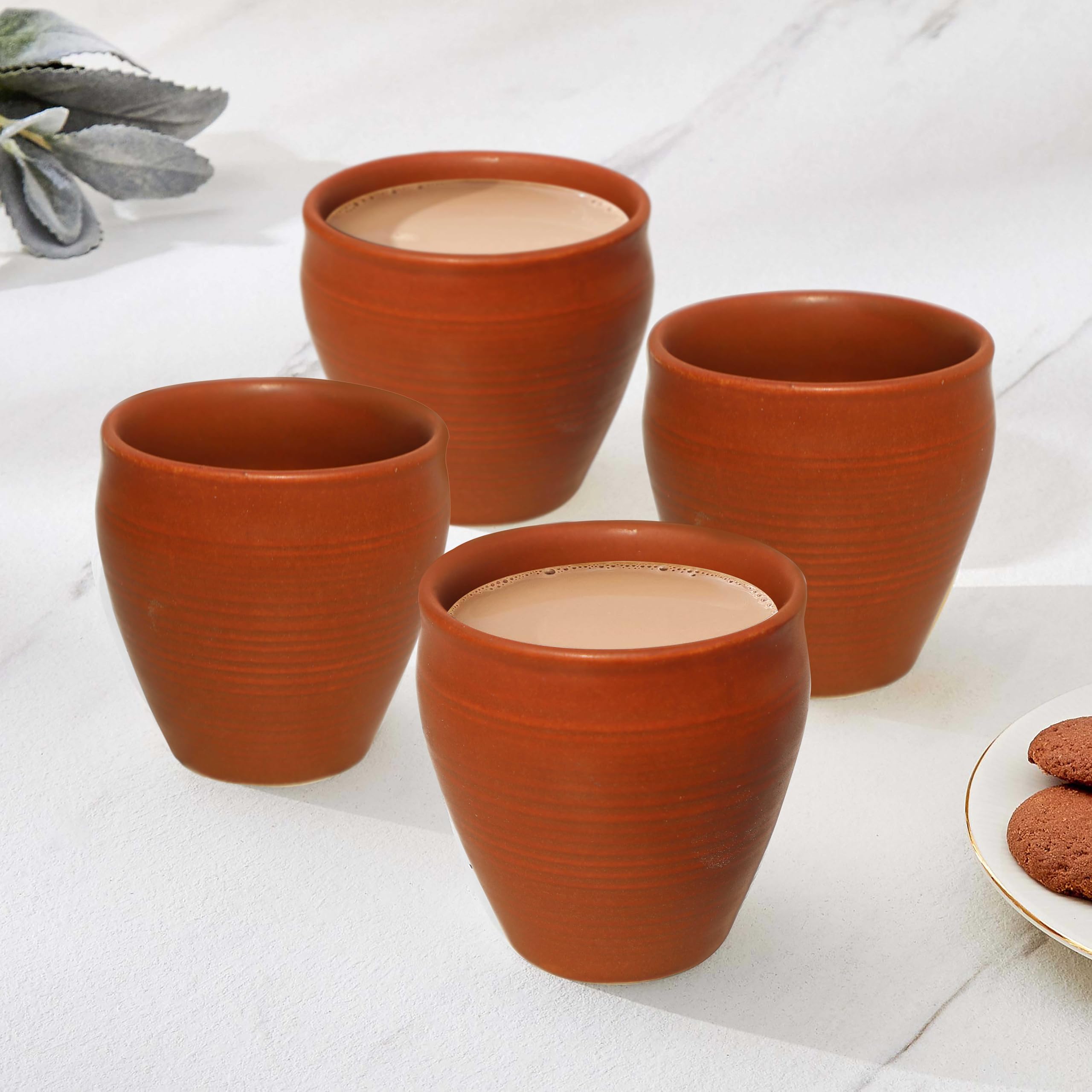
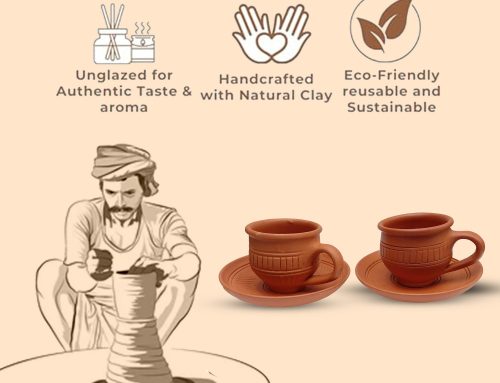
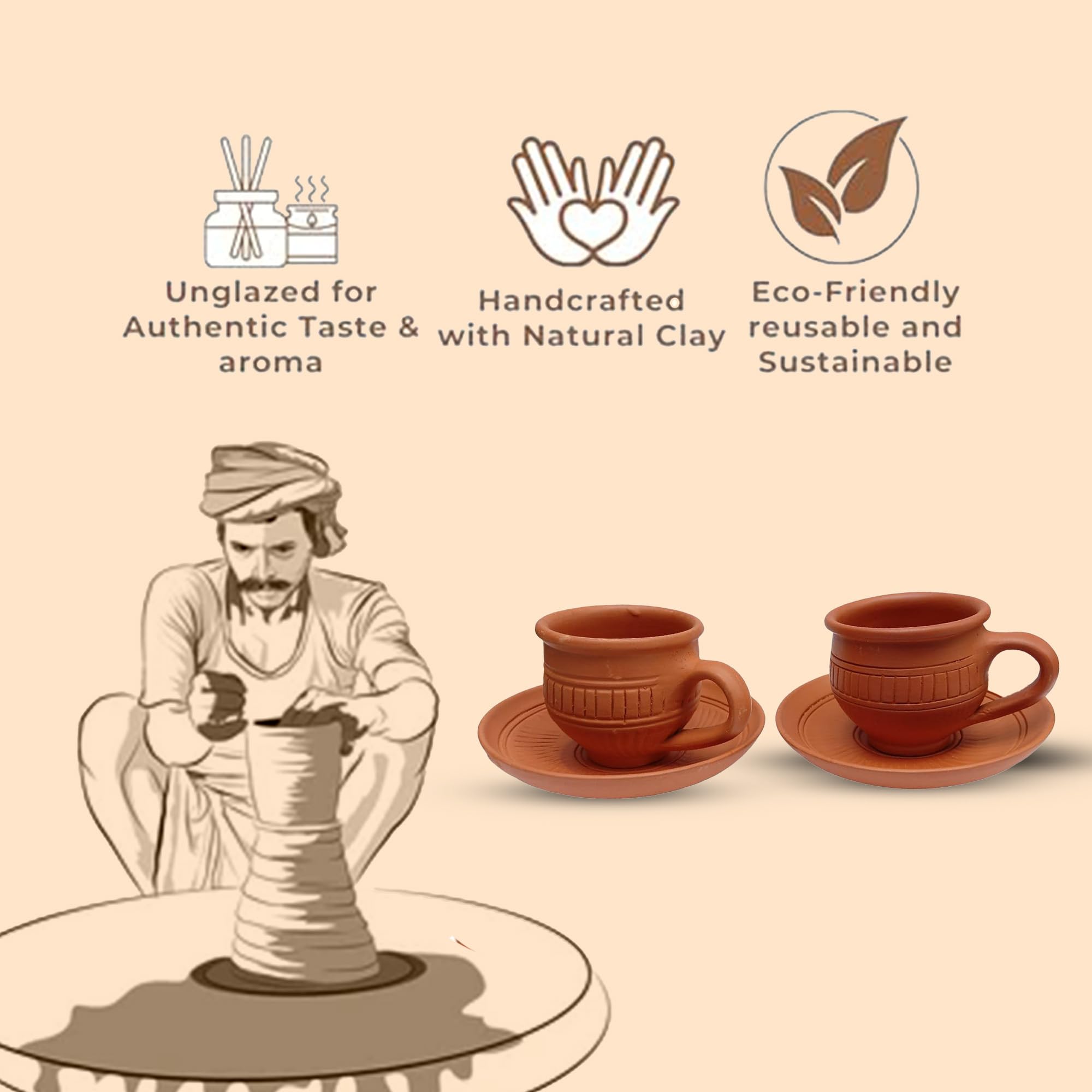
Terracotta was among the earliest forms of Indian crockery. Made from natural clay and baked in traditional kilns, terracotta pieces were widely used in rural and urban India alike.
Key Features:
100% natural and biodegradable
Naturally porous and breathable
Enhances earthy aroma in food
Keeps water cool naturally
Kulhads (clay cups), matkas (water pots), and shallow terracotta plates were essential Indian crockery items in ancient households. This form of Indian crockery was affordable, accessible, and deeply sustainable.
Even today, drinking tea from terracotta Indian crockery offers a sensory experience unmatched by modern materials.
2. Brass and Bronze Utensils – Royal and Ritualistic

Brass and bronze represented durability and prosperity in Indian crockery traditions. These metals were not only decorative but also functional.
Why They Were Valued:
Known for antimicrobial properties
Long-lasting and heirloom-worthy
Used in religious ceremonies
Associated with wealth and tradition
In many Indian homes, brass crockery was reserved for festivals and special occasions. The shine of polished brass plates symbolized celebration and abundance.
Unlike disposable culture today, this type of Indian crockery was designed to last generations.
3. Blue Pottery – The Artistic Expression
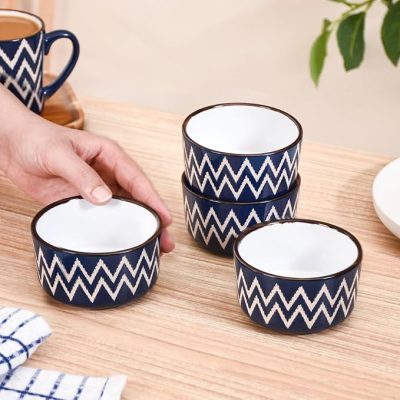
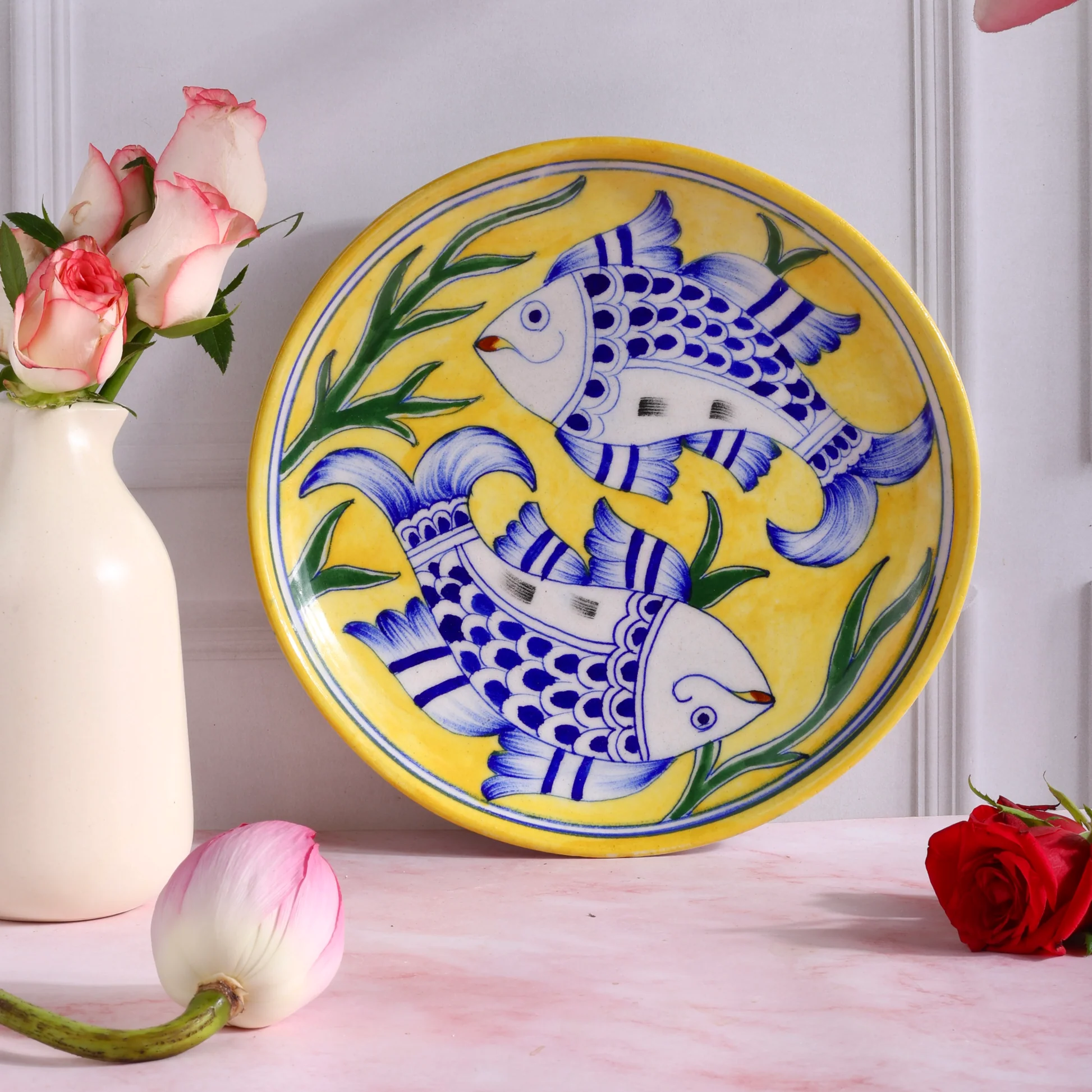
Originating prominently in Rajasthan, blue pottery became one of the most artistic expressions of crockery. Crafted using quartz-based paste and decorated with intricate floral motifs, it reflected Indo-Persian influence blended with Indian artistry.
Unique Characteristics:
Distinctive cobalt blue designs
Glossy glazed finish
Decorative yet functional
Handmade and hand-painted
Blue pottery elevated Indian crockery from utility to art. Many royal households displayed this form of Indian crockery as both tableware and décor.
4. Khurja Ceramics – The Ceramic Evolution
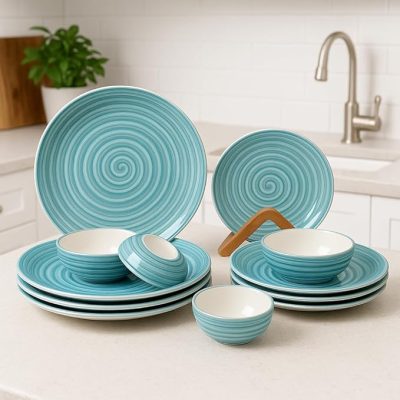
Khurja, a town in Uttar Pradesh, became synonymous with ceramic Indian crockery. Over centuries, artisans perfected glazing techniques that allowed crockery to become more durable and decorative.
Why Khurja Became Important:
Introduction of glazed finishes
Floral and geometric hand-painting
Mass adoption across urban India
Balance between tradition and modernity
Khurja ceramics marked the transitional phase where crockery adapted to changing tastes without losing its handcrafted essence.
5. Stoneware and Black Pottery – Earth’s Natural Texture
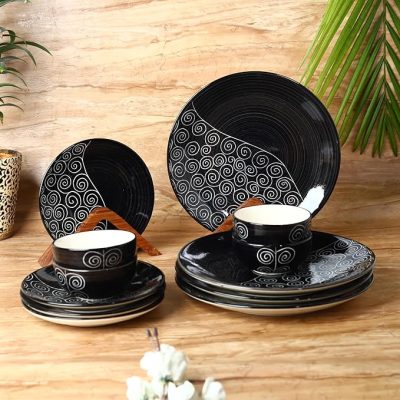
Certain regions developed unique black pottery and stone-based Indian crockery. These pieces were often fired at specific temperatures to achieve deep charcoal tones.
Characteristics:
Strong and dense
Minimal chemical glazing
Naturally rustic aesthetics
Ideal for slow cooking
This form of crockery was practical and visually striking, often associated with tribal communities and ancient cooking methods.
6. Copper Utensils – Health and Tradition Combined
Copper was another widely used material in ancient Indian crockery. Although more common for water storage than serving plates, copper vessels formed an essential part of crockery culture.
Benefits:
Believed to purify water
Enhances mineral content
Durable and recyclable
Copper crockery blended Ayurveda with everyday utility, showing how traditional Indian crockery was deeply rooted in holistic health practices.
Why These Ancient Types Matter Today
Understanding the types of crockery helps us see that revival is not about nostalgia—it is about rediscovering intelligent design.
Each type of crockery was:
Climate-responsive
Food-compatible
Environment-friendly
Culturally meaningful
Modern consumers are now returning to these values. Sustainable living trends align perfectly with traditional Indian crockery principles.
When we choose Indian crockery inspired by these ancient forms, we do more than decorate our dining tables—we participate in cultural restoration.
Reintroducing Ancient Crockery to Modern Homes
The comeback of crockery requires blending old wisdom with modern innovation.
Designers today are:
Creating minimal terracotta sets
Modernizing brass finishes
Simplifying blue pottery patterns
Reinventing ceramic Indian crockery for urban aesthetics
This evolution ensures Indian crockery remains relevant without losing authenticity.
Reviving these ancient types of crockery is not merely a business opportunity. It is a cultural responsibility. By understanding the diversity and depth of crockery traditions, we build appreciation that drives conscious demand.
The lost art is not truly lost. It lives in terracotta workshops, brass markets, ceramic towns, and artisan hands across India.
And with awareness, storytelling, and mindful purchasing, crockery can once again define not just how India eats—but how India expresses itself.
The Role of Craftsmanship in Identity Preservation
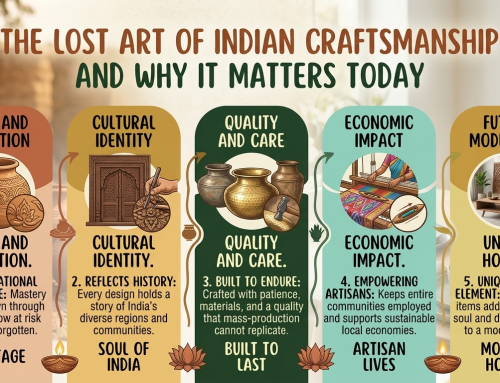
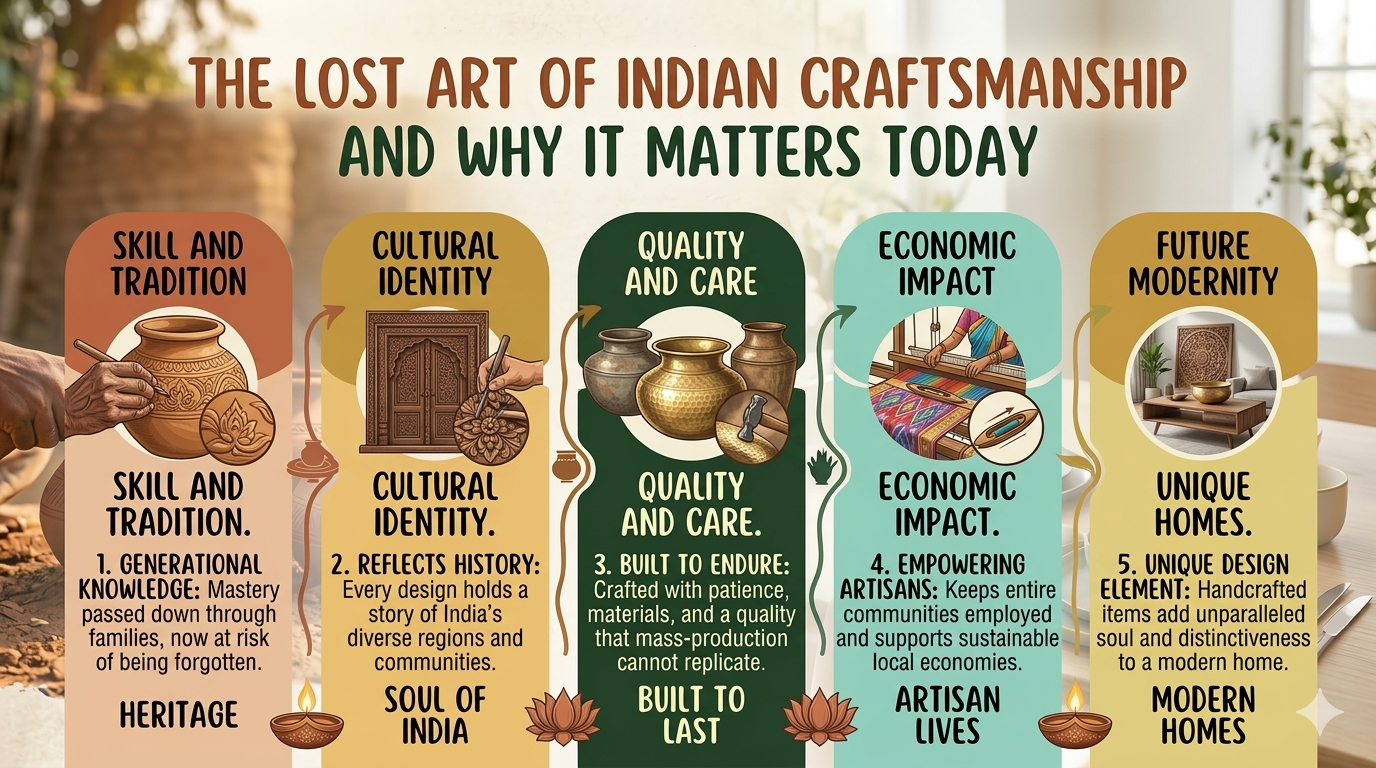
When we speak about revival, we are not just discussing products—we are discussing people. Behind every handcrafted plate or bowl is a family that has practiced the same skill for generations. These skills were not learned from textbooks but inherited through observation, repetition, and patience.
A child in a pottery household grows up watching clay transform under steady hands. A metal artisan learns the rhythm of hammering brass long before understanding its market value. Craftsmanship becomes instinct. It becomes language.
Losing these crafts means losing silent libraries of knowledge.
Traditional artisans understand soil quality, firing temperatures, glazing ratios, and metal polishing techniques without relying on modern machinery. Their expertise is empirical and deeply rooted in experience. When demand declines, this knowledge risks disappearing forever.
Revival ensures that this wisdom survives.
Why Modern Consumers Are Rediscovering Heritage
Today’s consumers are more informed than ever. They question sourcing. They examine sustainability. They care about ethical production. This shift in mindset creates an opportunity for traditional crafts to re-enter mainstream spaces.
Minimalist interior trends are increasingly incorporating earthy textures and handmade aesthetics. Rustic finishes are being preferred over flawless uniformity. The subtle imperfections of handcrafted tableware are now seen as authenticity rather than flaws.
People are beginning to realize that uniqueness carries more value than mass replication.
Additionally, social media storytelling has amplified appreciation for artisan work. Short videos showing pottery wheels spinning or kilns firing create emotional connections between consumers and creators. Transparency builds trust, and trust fuels demand.
Hospitality and Cultural Tourism
Restaurants and boutique hotels are powerful drivers of craft revival. When guests are served meals in handmade tableware, the dining experience becomes immersive. It tells a story before the first bite is taken.
Cultural tourism in India is growing steadily. Travelers seek authenticity. They want to feel connected to local traditions rather than standardized global experiences. Serving food in locally crafted tableware enhances this authenticity and creates memorable impressions.
This not only boosts artisan income but also strengthens India’s cultural brand globally.
Education and Awareness
For long-term revival, awareness must begin early. Schools and universities can organize craft workshops where students interact directly with artisans. Understanding the effort behind each piece builds appreciation.
Exhibitions, craft fairs, and heritage festivals can further spotlight traditional skills. When people witness live demonstrations of shaping clay or engraving metal, they see the depth of artistry involved.
Awareness transforms perception.
When perception changes, demand follows.
The Power of Conscious Choice
Every purchase decision carries influence. Choosing handcrafted over factory-made supports livelihoods. It reduces environmental impact. It strengthens local economies.
Conscious consumerism is not about rejecting modernity—it is about balancing progress with preservation.
By valuing heritage crafts, society ensures that innovation does not erase identity. Instead, innovation can coexist with tradition, allowing ancient skills to evolve while maintaining their soul.
Revival is not a trend. It is a return to balance.
And that balance begins at the dining table—where culture, sustainability, and craftsmanship meet in the simplest yet most meaningful way.
WHAT IS CROCKERYKART?
CrockeryKart is a proudly Indian brand that celebrates the art of traditional craftsmanship while giving it a modern marketplace. Built on the vision of Local to Global and aligned with the spirit of Atmanirbhar Bharat and Viksit Bharat 2047, CrockeryKart connects skilled local artisans with customers across the country and beyond through digital platforms. The brand is not just about selling crockery; it is about telling stories through handcrafted plates, cups, and dinnerware that carry the legacy of India’s rich cultural heritage. By blending tradition with technology, CrockeryKart empowers rural creators, promotes sustainable products, and turns everyday dining into an experience rooted in pride, quality, and Indian identity.
Ending Note: A Return to What Truly Matters
In the rush toward modernization, it is easy to forget that progress does not mean replacing the past—it means refining it. The story of traditional tableware is not about resisting change; it is about remembering value. It is about recognizing that heritage and innovation can exist together, shaping a future that is both rooted and forward-looking.
When we choose handcrafted over mass-produced, we are choosing stories over sameness. We are choosing sustainability over excess. We are choosing livelihoods over convenience. Most importantly, we are choosing identity over imitation.
The revival of these crafts is not just an economic opportunity; it is a cultural awakening. It reminds us that everyday objects can carry emotion, memory, and meaning. A simple meal served in a handcrafted plate can reconnect us to generations before us.
The comeback begins with awareness, grows with appreciation, and sustains through conscious choice. If we allow tradition to evolve with dignity and support the hands that shape it, the art will never be lost again.
The future of heritage lies not in museums, but in our homes.
From our soil to your soul — let tradition grace every table.

Leave A Comment