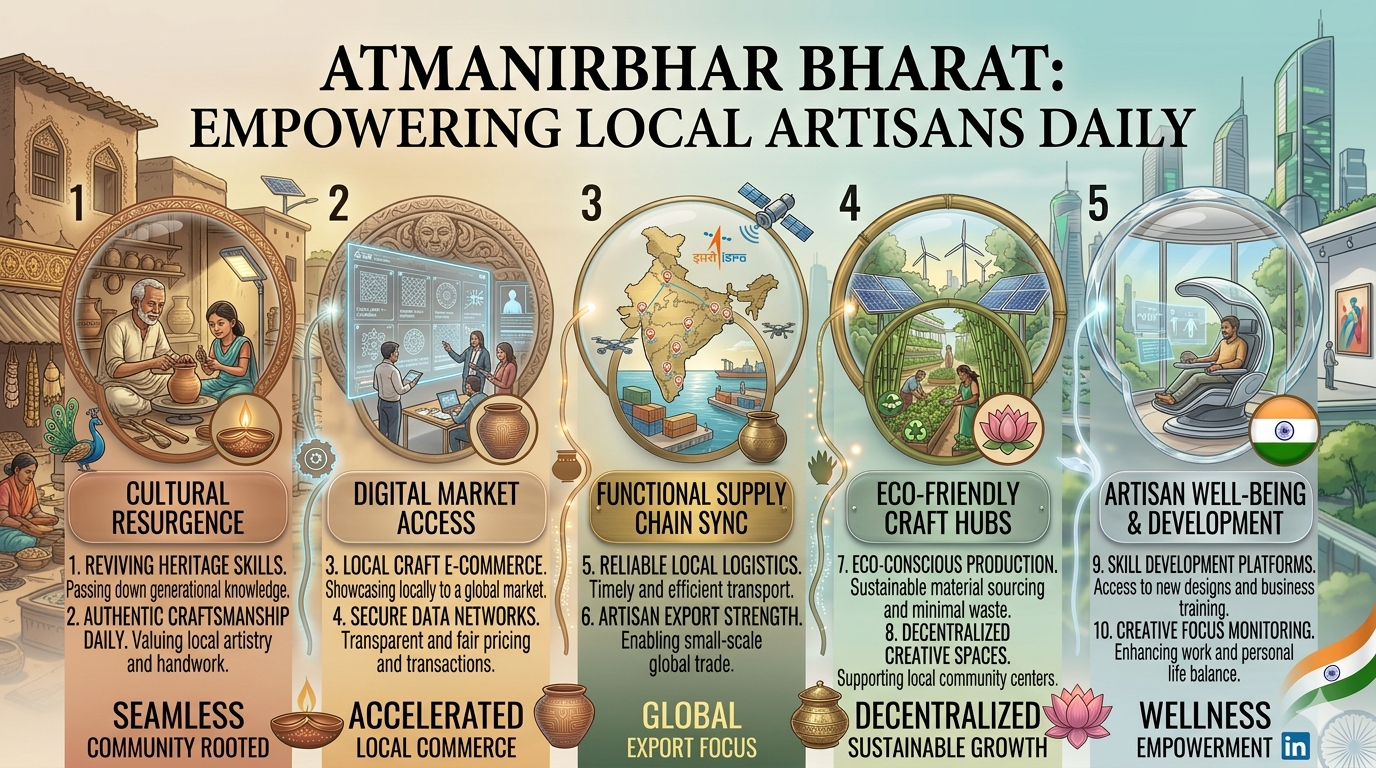
Atmanirbhar Bharat: Empowering Local Artisans Through Everyday Choice
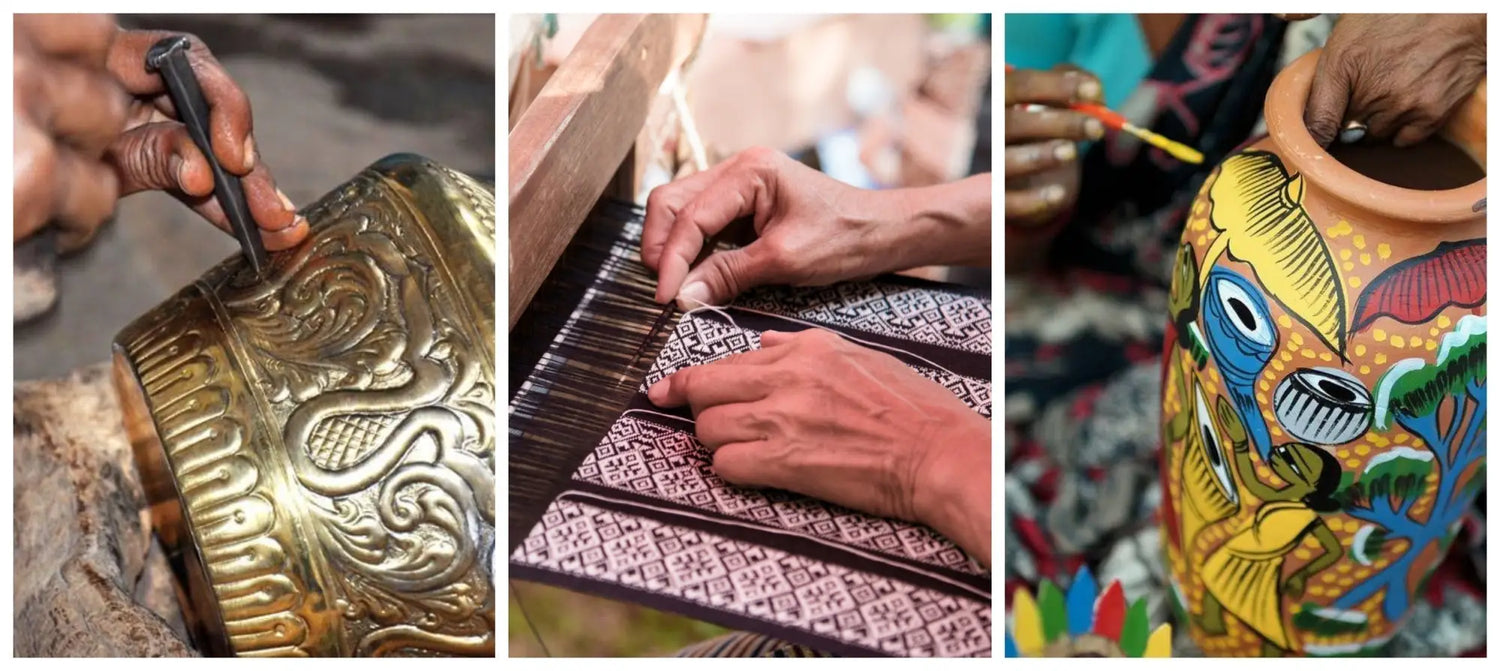
India has always been a land of rich traditions, skilled craftsmanship, and vibrant cultural diversity. From handwoven textiles to intricately designed pottery, the country’s heritage is deeply rooted in the hands of its artisans. These craftsmen and craftswomen have carried forward centuries-old skills, shaping not just products but also the cultural identity of India.
In recent years, the vision of Atmanirbhar Bharat has brought renewed focus on the importance of self-reliance. While often associated with economic policies and industrial growth, this vision begins at a much more personal level—with the everyday choices we make as consumers.
Every purchase we make has the power to influence livelihoods, sustain traditions, and contribute to the nation’s growth. Supporting local artisans through conscious buying decisions is one of the simplest yet most impactful ways to participate in building a self-reliant India.
Understanding Atmanirbhar Bharat Beyond Policy
Atmanirbhar Bharat, which translates to “self-reliant India,” is more than just a government initiative—it is a mindset. It encourages individuals, businesses, and communities to rely on local resources, skills, and products.
The idea is simple: when people choose locally made goods, they strengthen domestic industries, create employment opportunities, and reduce dependence on imports. This not only boosts the economy but also promotes sustainability and cultural preservation.
However, achieving this vision requires participation at every level of society. It is not limited to large-scale industries or policymakers. Instead, it begins with small, everyday decisions made by individuals in their homes.
Choosing a handmade clay cup over a plastic one, or a locally crafted dinner set over a mass-produced alternative, may seem like minor actions. But collectively, these choices create a powerful impact.
The Backbone of India: Local Artisans
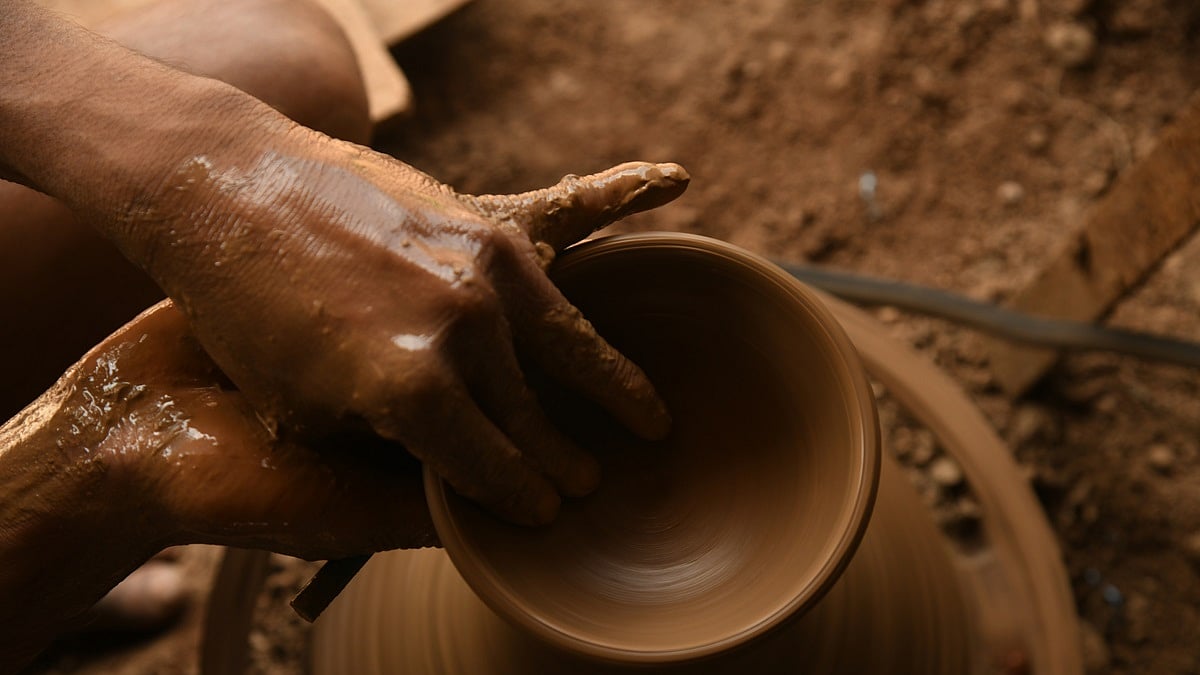
Local artisas form the backbone of India’s traditional economy. For generations, they have preserved skills that are deeply connected to the country’s culture and history.
Potters, weavers, carpenters, and craftsmen across India continue to create handmade products using techniques passed down through generations. Their work is not just about producing goods—it is about storytelling, identity, and heritage.
Despite their importance, many artisans face challenges in today’s fast-paced, industrialized world. Mass-produced goods often dominate the market due to their lower cost and wider availability. As a result, handmade crafts struggle to compete.
This has led to a decline in traditional occupations, with many artisans forced to seek alternative sources of income. If this trend continues, valuable skills and cultural knowledge may be lost forever.
Supporting local artisans is therefore not just an economic choice—it is a cultural responsibility.
How Everyday Choices Shape the Economy
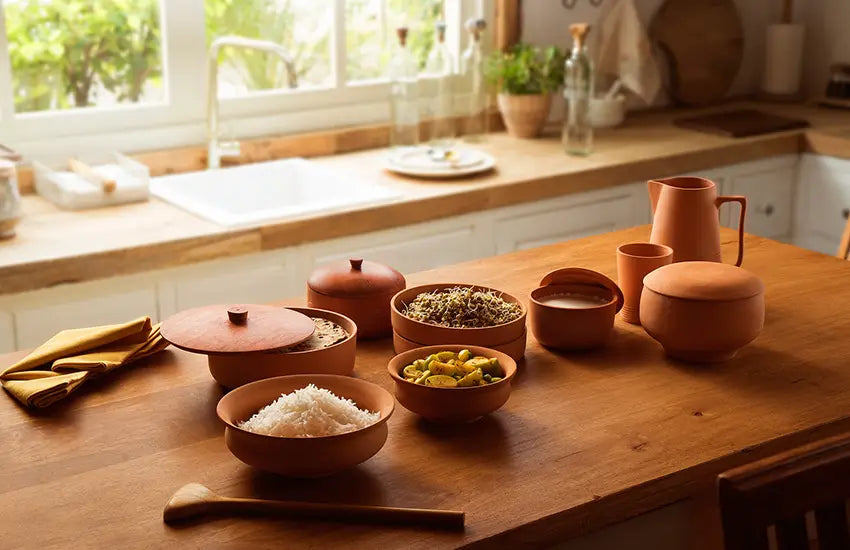
Every time we buy a product, we make a decision about where our money goes. This decision has a direct impact on the economy and the people involved in producing that product.
When we choose imported or mass-produced items, a significant portion of the revenue may not benefit local communities. On the other hand, purchasing locally made products ensures that money circulates within the country, supporting jobs and businesses.
For example, choosing clay crockery over plastic tableware supports potters and reduces environmental harm. It also encourages sustainable production practices and promotes the use of natural materials.
These small decisions, when made consistently by a large number of people, can create a ripple effect that strengthens the entire economy.
Atmanirbhar Bharat is built on this principle—that collective action begins with individual choices.
The Role of Sustainable Crockery in Self-Reliance
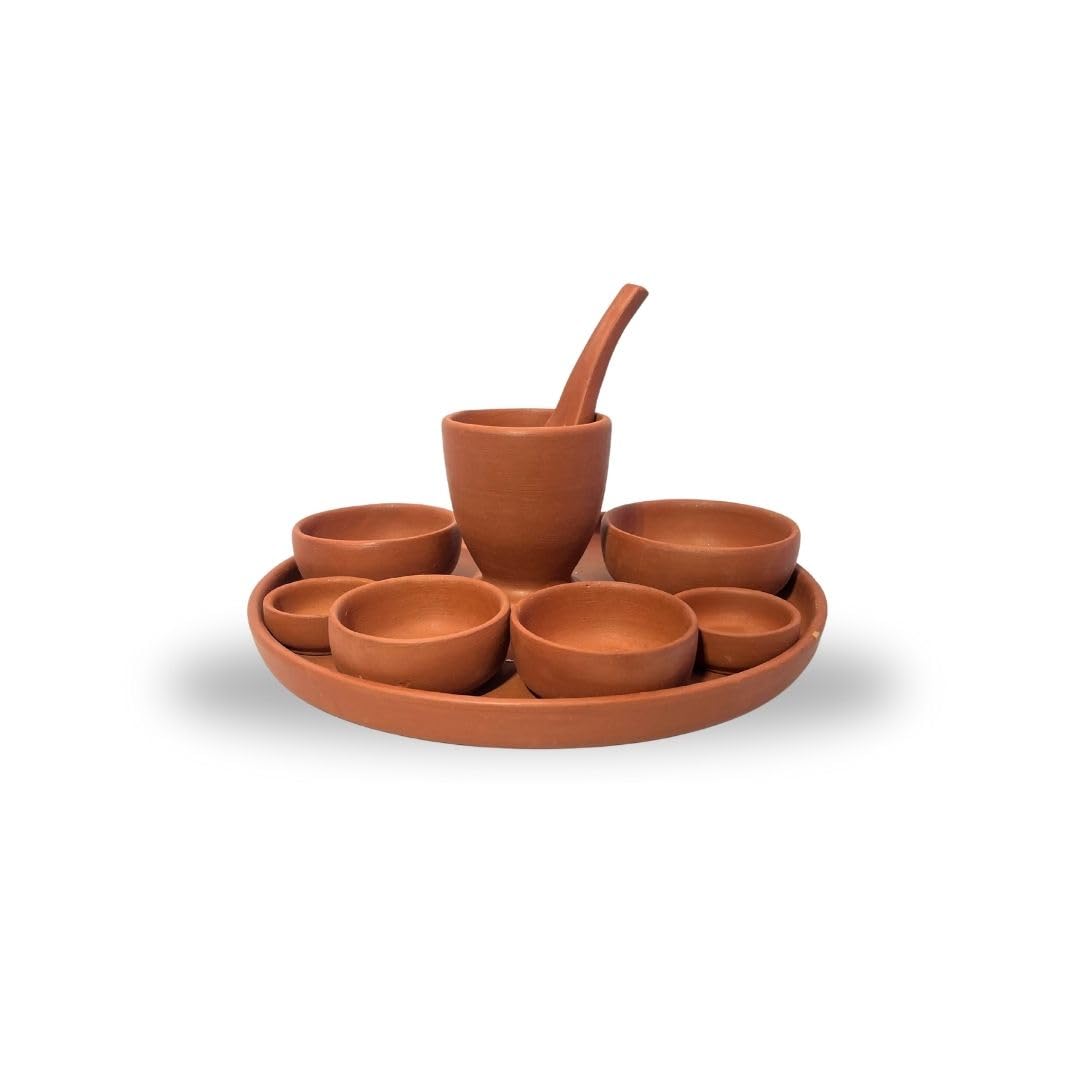
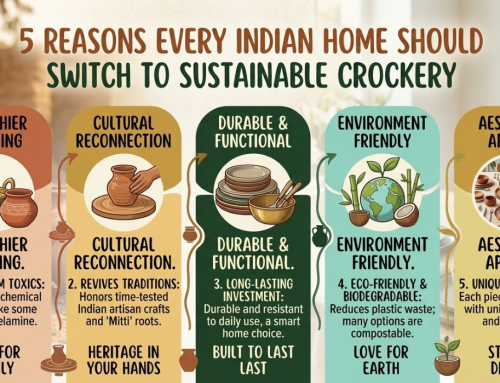
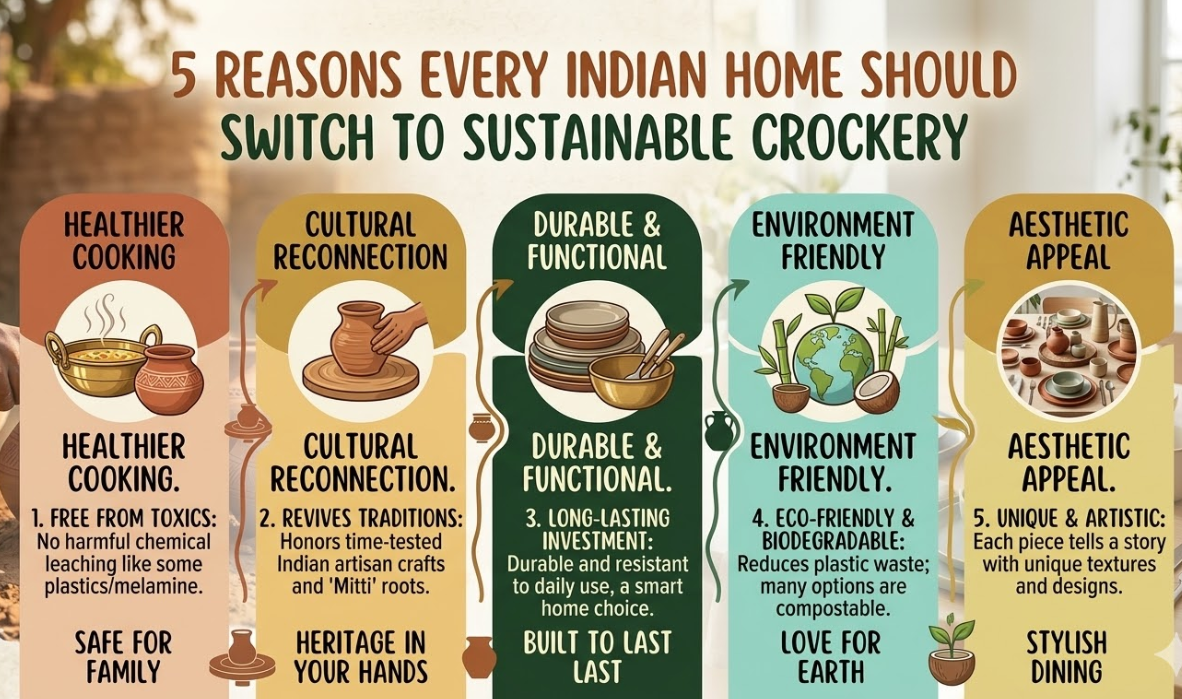
Sustainable crockery is a perfect example of how traditional practices can support modern goals. Clay and terracotta utensils have been used in Indian households for centuries because they are natural, durable, and environmentally friendly.
Today, these products are gaining popularity again as people become more aware of sustainability. Unlike plastic or synthetic materials, clay crockery is biodegradable and does not harm the environment.
At the same time, it provides employment opportunities for artisans who specialize in pottery. This creates a direct link between sustainability and economic empowerment.
By choosing sustainable crockery, consumers contribute to both environmental protection and the growth of local industries.
This alignment makes clay crockery an ideal representation of the Atmanirbhar Bharat vision.
Bridging Tradition and Modern Markets
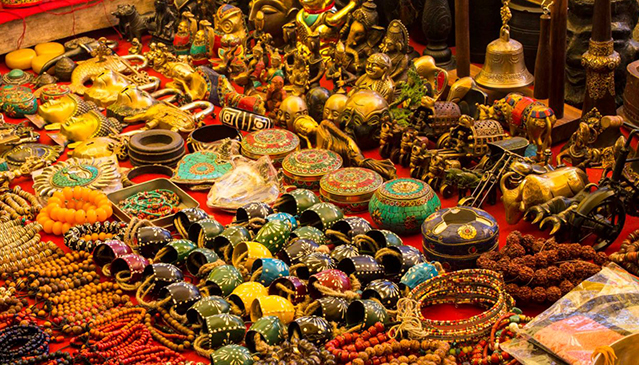
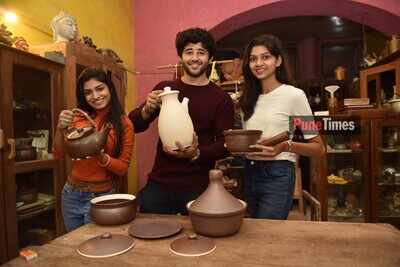
One of the key challenges faced by artisans is access to modern markets. Many craftsmen live in rural areas where opportunities to sell their products are limited.
Digital platforms and e-commerce businesses are helping bridge this gap by connecting artisans directly with consumers. These platforms provide visibility, fair pricing, and access to a wider audience.
By bringing traditional crafts into modern homes, they ensure that these products remain relevant in today’s lifestyle. Consumers, in turn, benefit from high-quality, unique, and meaningful products.
This connection between tradition and technology is essential for the growth of artisan communities and the success of Atmanirbhar Bharat.
Why the Youth Play a Crucial Role

India’s youth are driving many of the changes seen in consumer behavior today. With greater awareness of environmental issues and cultural identity, younger generations are more inclined toward sustainable and ethical choices. Atmanirbhar Bharat
They are also more open to experimenting with traditional products in modern contexts. From using clay crockery in urban apartments to promoting local brands on social media, young consumers are redefining how tradition fits into contemporary life.
Their choices influence market trends and encourage businesses to adopt sustainable practices. By supporting local artisans, they play a crucial role in shaping a self-reliant and culturally rich India.
The Role of Platforms Like CrockeryKart
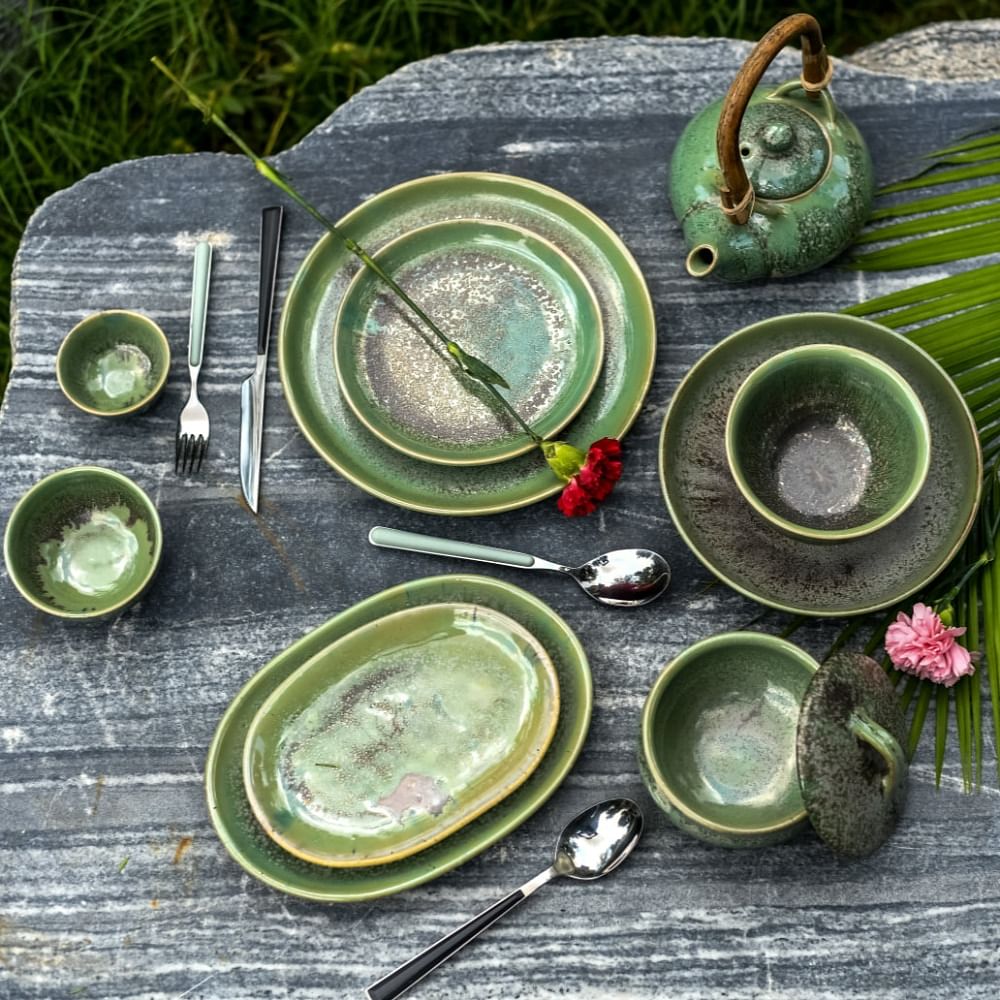
Platforms like CrockeryKart are playing an important role in bringing the vision of Atmanirbhar Bharat to life. By promoting handmade crockery and artisan products, they create opportunities for craftsmen to reach modern consumers.
These platforms not only sell products but also tell the stories behind them. They highlight the effort, skill, and tradition involved in creating each item, helping consumers appreciate the value of handmade goods.
By choosing such platforms, consumers become part of a larger movement that supports local communities and sustainable living.
The Historical Strength of India’s Self-Reliance
The idea of self-reliance is not new to India. Long before modern industrial systems emerged, India thrived on local economies where communities depended on each other for goods and services. Villages were largely self-sufficient, with artisans playing a crucial role in meeting everyday needs. Atmanirbhar Bharat
Potters created utensils, weavers produced fabrics, carpenters built furniture, and blacksmiths crafted tools. Each profession contributed to a well-balanced ecosystem where resources were used efficiently and sustainably.
This decentralized system ensured that wealth circulated within communities, supporting livelihoods and maintaining economic stability. It also minimized dependency on external sources, making communities resilient in times of uncertainty.
The concept of Atmanirbhar Bharat draws inspiration from this traditional model. It encourages a return to self-sustaining practices while adapting them to modern realities.
By supporting local artisans today, we are not just promoting economic growth—we are reconnecting with a system that once defined India’s strength.
The Hidden Cost of Mass Production
In today’s globalized world, mass production has made goods more accessible and affordable. However, this convenience often comes at a hidden cost.
Factory-made products are typically produced in large quantities using automated processes. While this increases efficiency, it often leads to the exploitation of resources and labor. The focus on quantity over quality can result in products that lack durability and uniqueness.
Mass production also contributes to environmental issues such as pollution, excessive waste, and overuse of natural resources. Plastic products, for example, take hundreds of years to decompose and pose serious threats to ecosystems.
In contrast, handmade products created by local artisans are often more sustainable. They are made using traditional techniques that rely on natural materials and minimal energy consumption.
By choosing artisan-made goods over mass-produced alternatives, consumers can reduce their environmental footprint and support ethical production practices.
This shift in consumer behavior is essential for achieving the goals of Atmanirbhar Bharat.
Preserving India’s Cultural Heritage Through Crafts
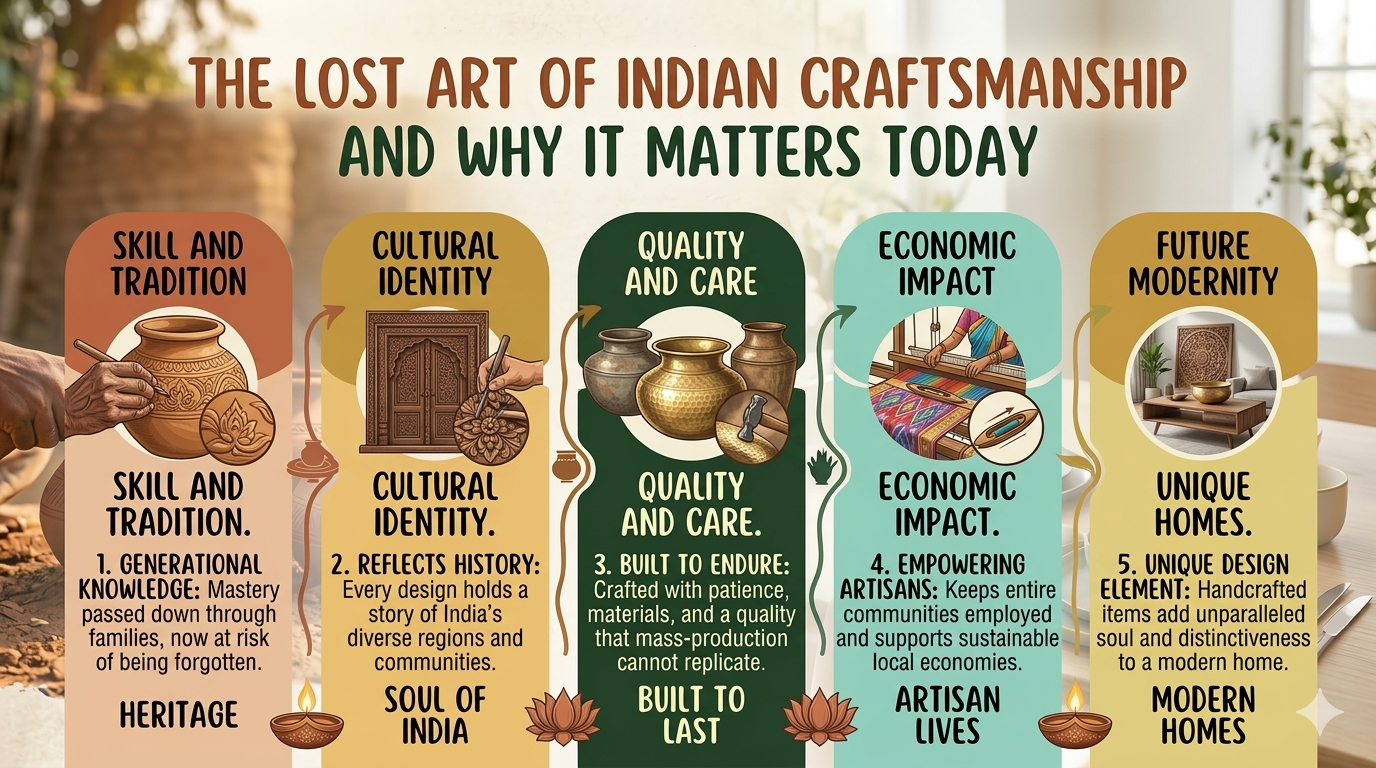
India’s crafts are not just products—they are expressions of culture, history, and identity. Each region has its own unique traditions, techniques, and styles that have been passed down through generations.
From terracotta pottery in West Bengal to blue pottery in Rajasthan, these crafts reflect the diversity and richness of Indian culture. They tell stories of communities, beliefs, and ways of life that have evolved over centuries.
However, many of these traditions are at risk of disappearing due to declining demand and lack of support. Younger generations are often reluctant to continue these crafts because they do not see them as viable career options.
Supporting local artisans helps preserve these traditions and ensures that they continue to thrive. It also allows future generations to experience and appreciate the cultural heritage of India.
Atmanirbhar Bharat is not just about economic self-reliance—it is also about cultural preservation.
The Role of Women in Artisan Communities
Women play a significant role in India’s artisan ecosystem. In many communities, they are actively involved in the production of handmade goods, from pottery and weaving to embroidery and painting.
These activities provide women with opportunities for financial independence and empowerment. By contributing to household income, they gain greater control over their lives and decision-making.
However, women artisans often face challenges such as limited access to markets, lack of recognition, and inadequate resources. Supporting local crafts helps address these issues by creating more opportunities for women to showcase their skills and earn fair incomes.
When consumers choose handmade products, they indirectly support the empowerment of women in artisan communities. This creates a positive social impact that extends beyond economic benefits.
Empowering women is a key aspect of building a self-reliant and inclusive India.
Local Choices and Environmental Responsibility
One of the most important aspects of Atmanirbhar Bharat is sustainability. Local production often involves fewer transportation requirements, reducing carbon emissions and environmental impact.
Handmade products also tend to use natural and biodegradable materials, making them more eco-friendly than synthetic alternatives. For example, clay crockery is made from earth and returns to the earth after use, leaving no harmful residue.
In contrast, plastic products contribute significantly to pollution and environmental degradation. By choosing local and sustainable options, consumers can play a role in protecting the environment.
This connection between local choices and environmental responsibility highlights the broader impact of everyday decisions.
Atmanirbhar Bharat is not just about economic independence—it is about creating a sustainable future for generations to come.
Building Emotional Connections Through Handmade Products
One of the unique aspects of handmade products is the emotional connection they create. Unlike mass-produced items, which often feel impersonal, handcrafted goods carry a sense of individuality and authenticity.
Each piece reflects the skill, effort, and creativity of the artisan who made it. This adds value beyond functionality, turning everyday objects into meaningful possessions.
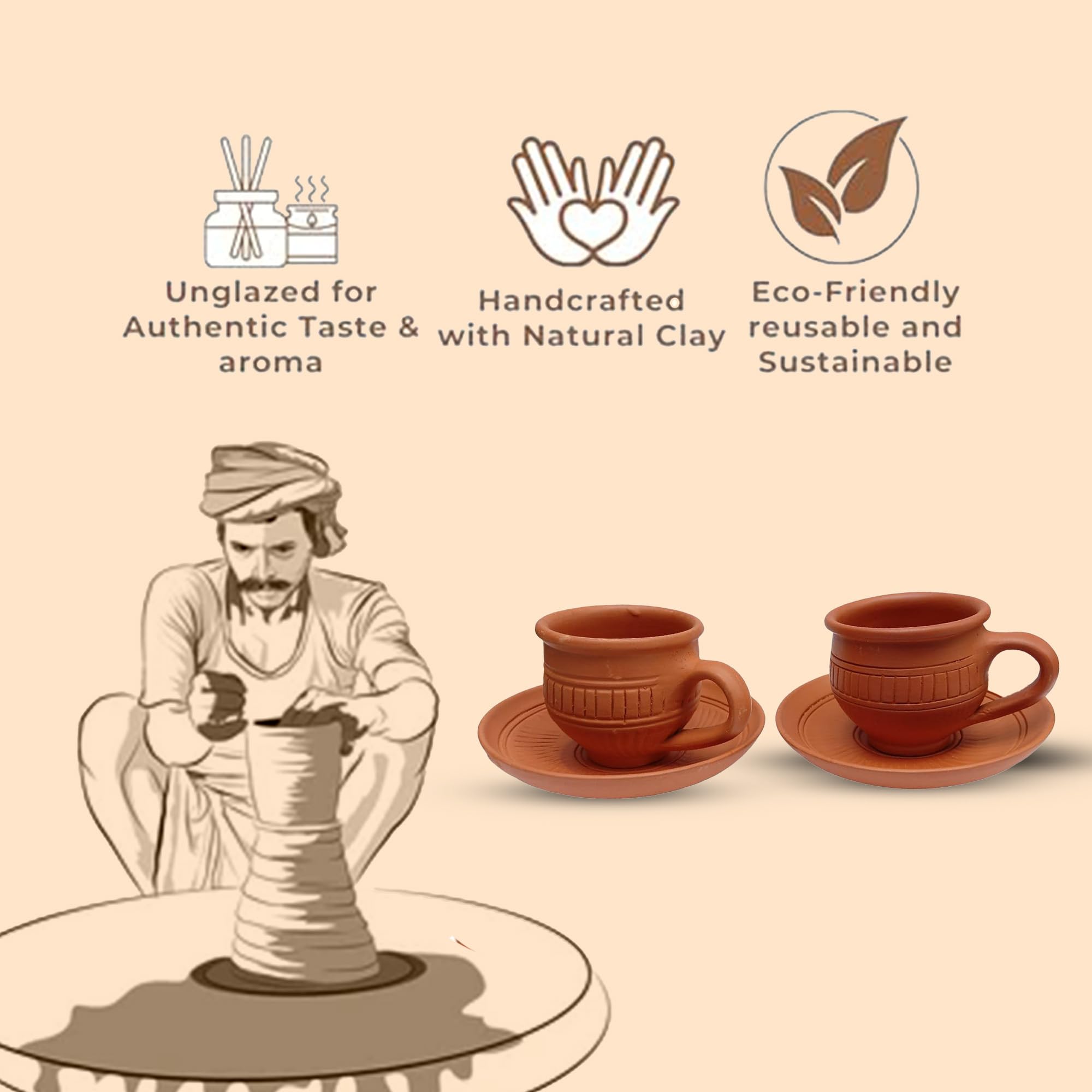
For example, a handcrafted clay cup is not just a vessel for drinking tea—it is a piece of art that represents tradition and craftsmanship. Using such products creates a deeper connection with the object and the culture it represents.
This emotional value is something that cannot be replicated by machines. It is one of the reasons why more people are turning toward handmade products in today’s world.
Encouraging Innovation in Traditional Crafts
While preserving tradition is important, innovation is equally necessary for the growth of artisan industries. Combining traditional techniques with modern design can make handmade products more appealing to contemporary consumers.
Many artisans and designers are now experimenting with new shapes, patterns, and uses for traditional materials. This fusion of old and new creates products that are both functional and aesthetically pleasing.
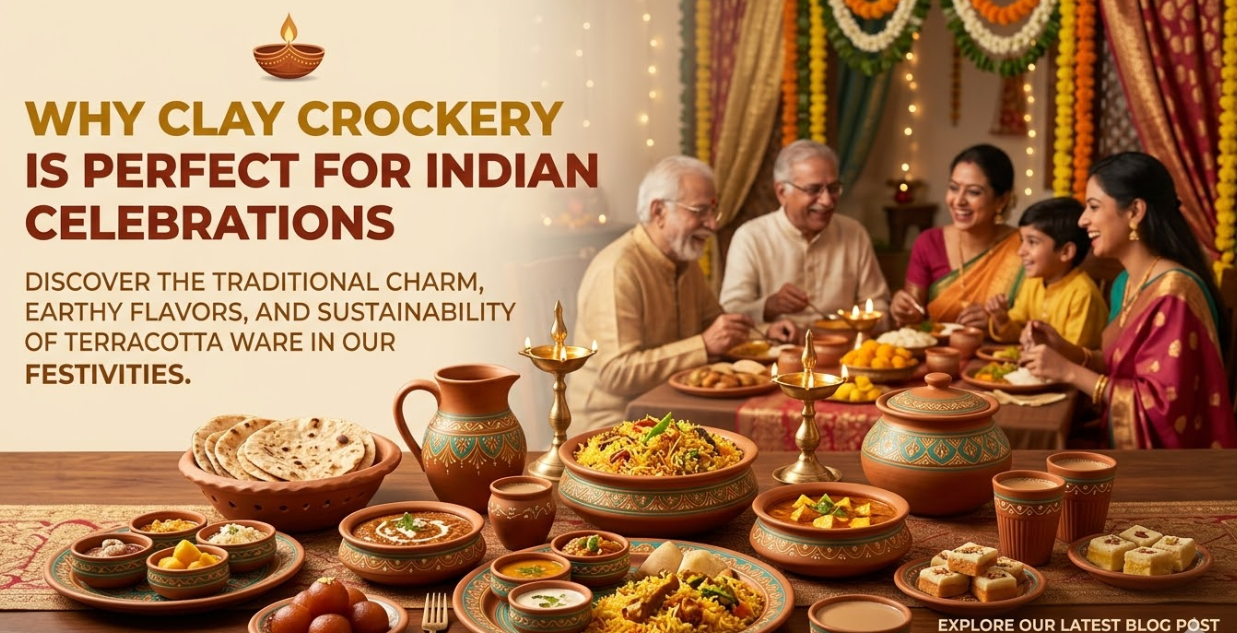
For example, clay crockery is being redesigned to suit modern kitchens and dining spaces. From minimalist dinner sets to stylish serving bowls, these innovations make traditional products relevant in today’s lifestyle.
Encouraging such innovation ensures that crafts continue to evolve and remain competitive in the market.
The Role of Conscious Consumers
The success of Atmanirbhar Bharat depends largely on the choices made by consumers. Conscious consumption involves being aware of the impact of purchasing decisions and choosing products that align with ethical and sustainable values.
Consumers today have more access to information than ever before. This allows them to make informed decisions about the products they buy and the brands they support.
By choosing local and handmade products, consumers can contribute to a more equitable and sustainable economy. They can also influence businesses to adopt responsible practices.
This shift toward conscious consumption is a powerful force that can drive positive change across industries for Atmanirbhar Bharat.
Strengthening Rural Economies
Supporting local artisans has a direct impact on Atmanirbhar Bharat. Many crafts are produced in villages where employment opportunities are limited.
By creating demand for handmade products, consumers help generate income and improve living standards in these communities. This reduces migration to urban areas and supports balanced economic development.
A strong rural economy is essential for the overall growth of the nation. It ensures that development is inclusive and benefits all sections of society.
Atmanirbhar Bharat emphasizes the importance of strengthening local economies as a foundation for national progress.
The Future of Atmanirbhar Bharat
The vision of Atmanirbhar Bharat is evolving with changing times. As technology advances and consumer preferences shift, new opportunities are emerging for local industries.
Digital platforms, improved logistics, and increased awareness are making it easier for artisans to reach global markets. This opens up new possibilities for growth and innovation.
At the same time, there is a growing emphasis on sustainability and ethical practices. Consumers are increasingly looking for products that align with their values, creating demand for handmade and eco-friendly goods.
The future of Atmanirbhar Bharat lies in combining tradition with innovation, ensuring that local industries remain competitive while preserving cultural heritage.
Conclusion: Small Choices, Big Impact
Atmanirbhar Bharat is not just a goal—it is a collective journey that involves every citizen. While large-scale initiatives are important, the foundation of this vision lies in everyday actions.
Choosing locally made products, supporting artisans, and adopting sustainable practices are simple steps that can create significant change over time.
Each purchase becomes a vote for the kind of future we want—one that values heritage, sustainability, and self-reliance.
In the end, empowering local artisans is not just about economic growth. It is about preserving India’s identity and ensuring that its rich traditions continue to thrive in the modern world.

Leave A Comment